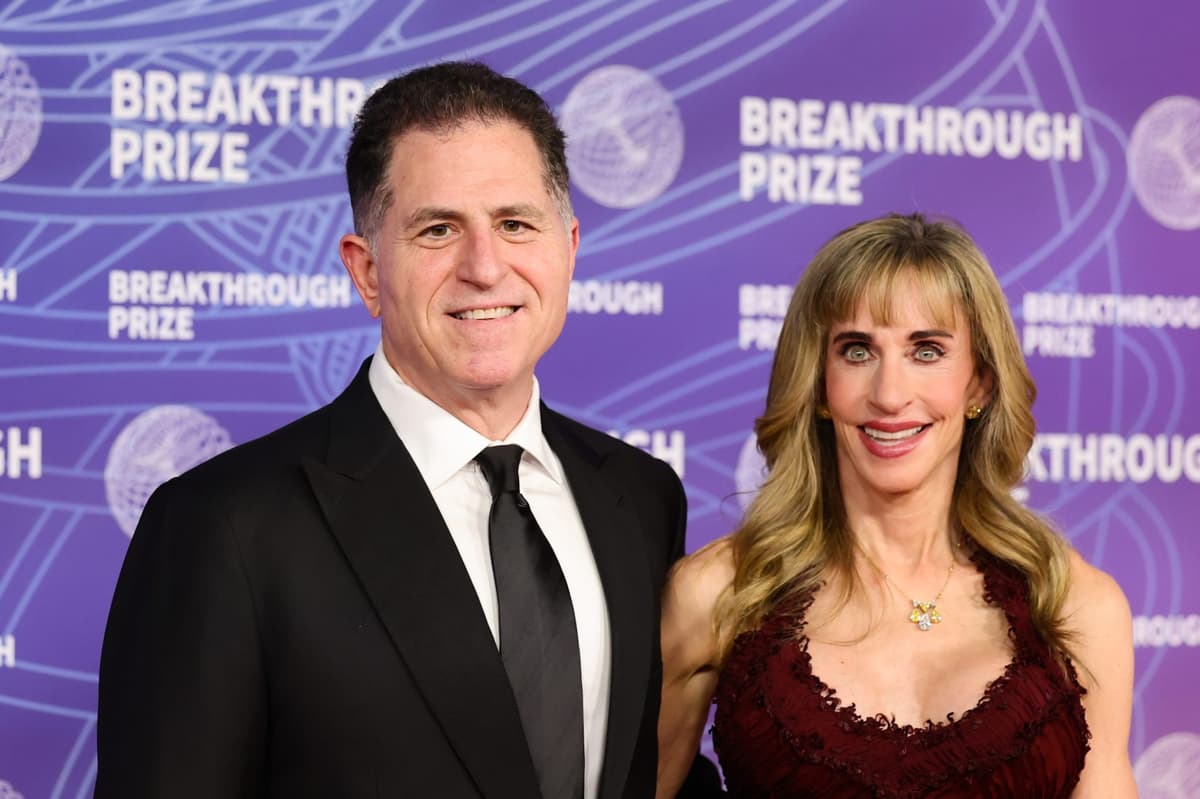
Billionaire Michael Dell Started His Company in His University of Texas Dorm Room. Now, He’s Betting on AI with a $750 Million Gift
Companies Mentioned

Why It Matters
The infusion of AI resources into a public‑university medical campus could accelerate personalized‑care breakthroughs and position UT Austin as a national AI‑health hub, while highlighting growing billionaire influence on public research agendas.
Key Takeaways
- •$750M donation creates AI‑driven medical campus, opening 2030.
- •UT Austin will host nation’s largest academic supercomputer using Dell AI tech.
- •Gift pushes Dell family’s total giving to UT Austin past $1B.
- •Billionaire philanthropy increasingly targets AI and health education.
Pulse Analysis
Billionaire philanthropy has entered a new phase, with tech founders channeling wealth into artificial‑intelligence research and education. Michael and Susan Dell’s $750 million pledge to the University of Texas at Austin follows a recent $6.25 billion commitment to the federal “Trump Accounts” program and joins gifts from Phil Knight, Michael Bloomberg, Stephen Schwarzman and MacKenzie Scott that target health and computing. For Dell, the donation is a full‑circle moment—transforming the dorm‑room where he launched a $140 billion company into a campus designed for the AI era.
The UT‑Dell Medical Center, slated for a 2030 opening on more than 300 acres, will combine a 300‑to‑500‑bed hospital with an AI‑centric research campus. Integrated with the Texas Advanced Computing Center, the site will house the nation’s largest academic supercomputer powered by Dell’s AI infrastructure, enabling faster drug discovery, predictive diagnostics and personalized treatment plans. In addition to clinical facilities, the gift funds undergraduate scholarships, student housing and faculty positions, creating a pipeline of talent that can translate cutting‑edge algorithms into real‑world health outcomes.
Beyond UT Austin, the donation underscores how private capital is reshaping public‑university research priorities, especially in AI‑enabled health care. As universities race to attract top faculty and large‑scale computing resources, similar mega‑gifts could intensify competition for federal grants and industry partnerships. Policymakers may need to consider transparency standards to ensure that donor influence aligns with broader public health goals, while students stand to benefit from unprecedented access to AI tools that could redefine medical training for the next generation. This infusion of resources may also spur regional economic growth.
Billionaire Michael Dell started his company in his University of Texas dorm room. Now, he’s betting on AI with a $750 million gift
Comments
Want to join the conversation?
Loading comments...