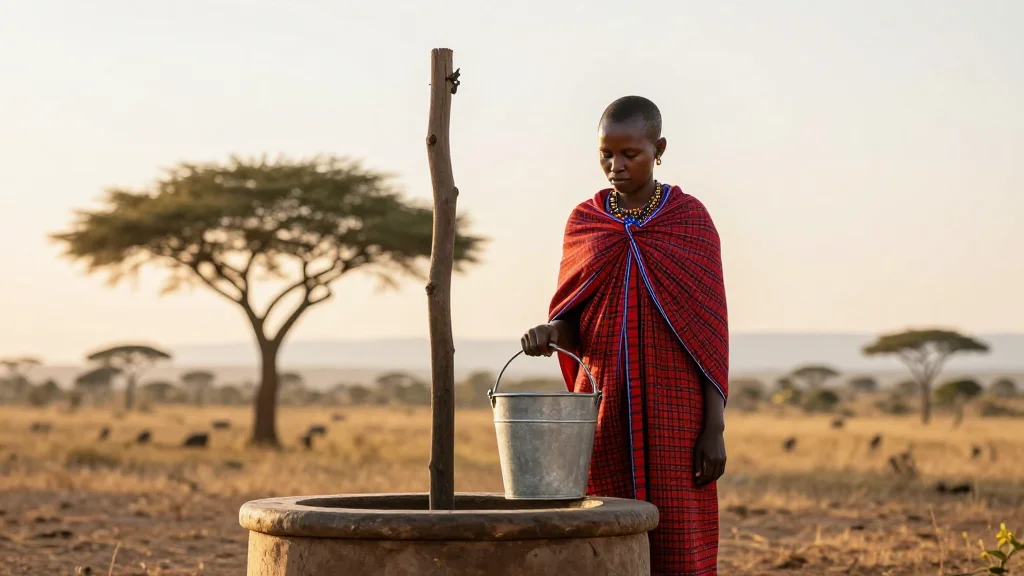
Giving Drink to the Thirsty with Water and Love
Key Takeaways
- •90% of WILK wells remain functional after 20 years
- •Over 110,000 Maasai residents now have clean water access
- •Community committees collect tariffs, ensuring well maintenance funding
- •Livestock and widows programs turn water access into business growth
- •Model outperforms typical 30‑50% WASH project failure rate
Pulse Analysis
In Kenya’s arid Rift Valley, unreliable water supplies have long hampered health, education and economic progress. The World Health Organization estimates that sub‑Saharan Africa still lacks safe drinking water for more than 300 million people, and a UNICEF study shows that 30‑50 percent of water‑and‑sanitation (WASH) projects collapse within five years due to poor maintenance or community disengagement. Against that backdrop, Water is Life Kenya (WILK) has built a reputation for durability, with more than ninety percent of its wells still operating after two decades—a rare achievement that signals a shift from short‑term construction to long‑term stewardship.
WILK’s formula blends three pillars: micro‑economic training, community ownership, and cultural alignment. Each well is overseen by a locally elected committee that levies modest tariffs, creating a self‑funding maintenance loop. Simultaneously, the organization runs ‘Livestock as a Business’ and ‘Hope for Widows’ initiatives that teach herd management, budgeting and entrepreneurship, turning a water point into a catalyst for income generation. By embedding financial literacy within the Maasai way of life, the programs reduce reliance on external aid and encourage participants to reinvest earnings into schools, health clinics and further infrastructure.
The ripple effects are measurable: children spend fewer hours hauling water, boosting school attendance; widows launch small enterprises, expanding household cash flow; and cattle owners apply profit‑centered practices that raise herd productivity. Such outcomes illustrate how water access, when paired with capacity‑building, can break inter‑generational poverty cycles. For donors and development agencies, WILK offers a replicable blueprint—prioritize community governance, attach livelihood training to infrastructure, and monitor impact through locally sourced data. Scaling this model could reshape rural development across East Africa and beyond.
Giving Drink to the Thirsty with Water and Love
Comments
Want to join the conversation?