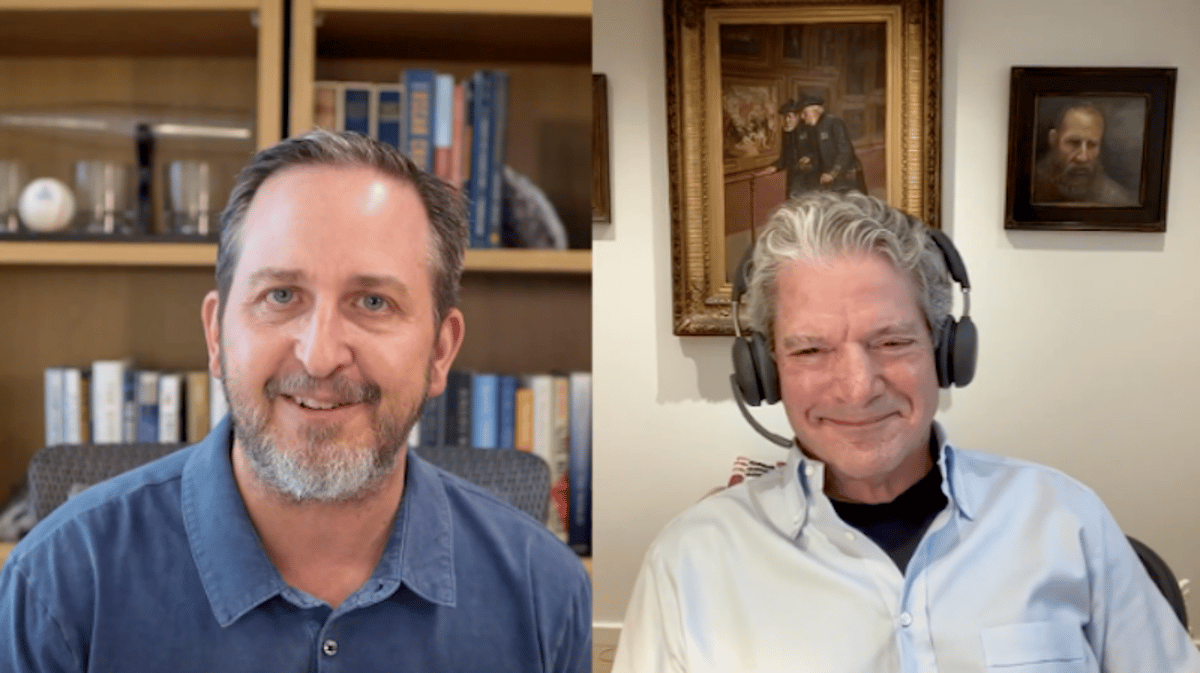
Giving Review’s William A. Schambra Talks About Everyday Philanthropy with Jeremy Beer
Key Takeaways
- •Elite grantmaking stems from Progressive Era faith in expert control
- •Everyday philanthropy trusts local leaders over top‑down data models
- •Schambra urges humility and respect for uncredentialed community wisdom
- •TIME 2026 list highlights his influence as right‑leaning philanthropy critic
- •Conservatives must balance philanthropic freedom with concerns over concentrated power
Pulse Analysis
The legacy of Progressive‑Era philanthropy still shapes today’s foundation landscape. Early 20th‑century reformers believed that professional experts and scientific data could solve society’s "root causes," leading to a top‑down grantmaking model that privileges credentialed institutions over local insight. This approach has produced massive endowments and sophisticated metrics, yet critics argue it often sidelines the very communities it aims to help, creating a disconnect between donor intent and on‑the‑ground realities.
Schambra’s advocacy for everyday philanthropy reframes the conversation around trust and humility. By empowering neighborhood associations, faith groups, and informal community leaders, donors can tap into nuanced, place‑based knowledge that large foundations typically overlook. Real‑world examples, such as Milwaukee’s Cordelia Taylor initiative, illustrate how localized, messier interventions can generate resilient social capital and more responsive outcomes. This grassroots emphasis aligns with Tocqueville’s view that civil associations produce citizens, not just measurable results, and echoes Robert L. Woodson’s belief that those closest to a problem understand it best.
For the broader sector, embracing everyday philanthropy signals a strategic pivot. Foundations may need to redesign funding mechanisms, shift from rigid theory‑of‑change models to flexible, partnership‑based grants, and adopt evaluation frameworks that value qualitative impact. Conservatives, in particular, face a balancing act: preserving philanthropic freedom while curbing the concentration of power that can undermine democratic norms. If major donors adopt Schambra’s humility‑first mindset, the philanthropy ecosystem could become more inclusive, adaptive, and ultimately more effective at addressing complex social challenges.
Giving Review’s William A. Schambra talks about everyday philanthropy with Jeremy Beer
Comments
Want to join the conversation?