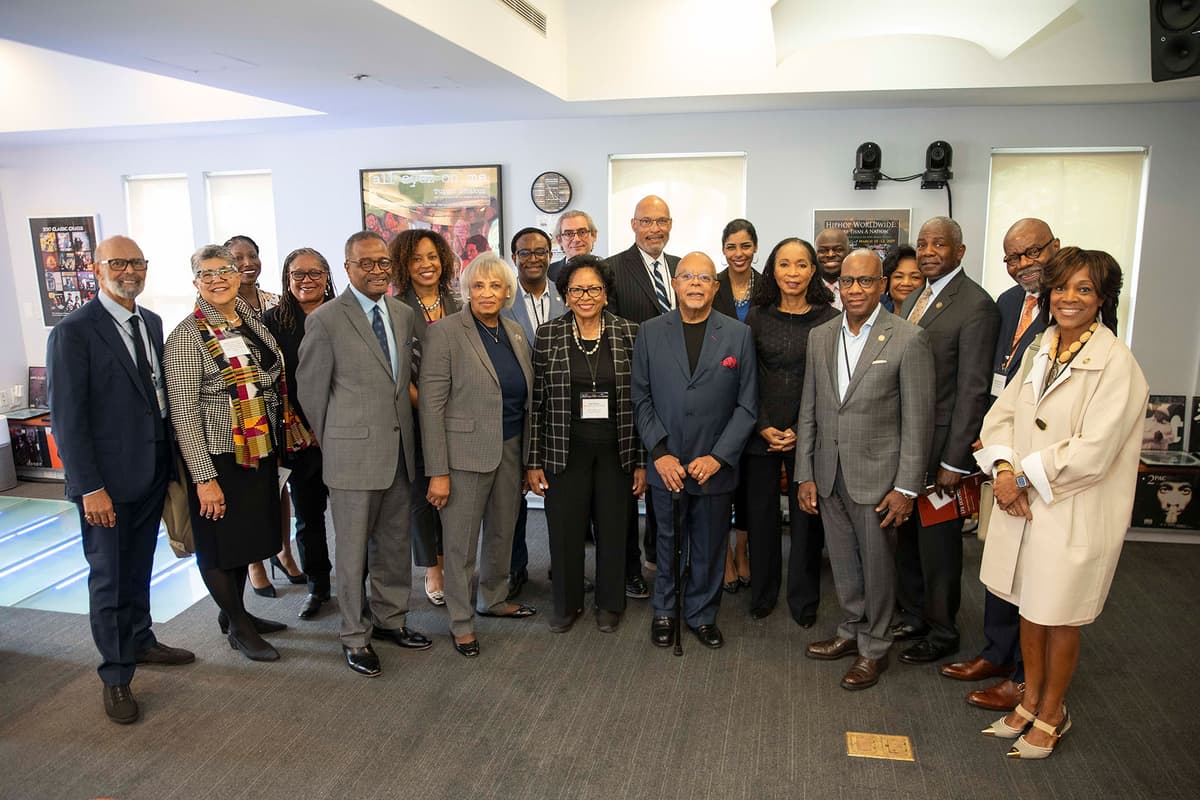
Harvard Deepens Commitment to HBCUs with $1.05 Million Grant
Why It Matters
Strengthening research capacity at the majority of federally funded HBCUs accelerates their path to top‑tier R1 classification, drawing more talent and federal dollars. It also demonstrates elite universities’ commitment to correcting historic inequities in research funding.
Key Takeaways
- •Harvard grants $1.05 M over three years to AHRI coalition
- •Funding aims to help 15 HBCUs achieve R1 research status
- •Harvard’s OVPR and OSP will provide technical assistance and compliance support
- •AHRI represents 50% of federal research funding among HBCUs
Pulse Analysis
Historically Black Colleges and Universities have long faced structural barriers to achieving the Carnegie R1 research designation, the benchmark for the most research‑intensive institutions in the United States. Limited funding, underdeveloped research administration, and fragmented collaborations have constrained their ability to compete for large federal grants. As a result, many HBCUs remain classified at the R2 level, which restricts access to top faculty, graduate students, and industry partnerships.
Harvard’s $1.05 million, three‑year investment through its Legacy of Slavery Initiative targets these gaps by bolstering the newly formed AHRI coalition. The grant finances upgrades to research infrastructure, data management systems, and compliance frameworks, while Harvard’s Office of the Vice Provost for Research and Office for Sponsored Programs deliver hands‑on technical assistance. By centralizing expertise and fostering inter‑institutional collaboration, the program aims to streamline grant applications, improve lifecycle management, and ultimately elevate member schools toward R1 status.
The broader implications extend beyond academia. Elevating HBCU research capacity can diversify the national innovation pipeline, attract private‑sector R&D spending, and generate new patents originating from historically underrepresented communities. For policymakers and investors, the partnership signals a scalable model for public‑private collaboration that addresses equity while expanding the nation’s scientific output. As more HBCUs climb the research ladder, the competitive landscape of U.S. higher education is poised for a more inclusive transformation.
Harvard deepens commitment to HBCUs with $1.05 million grant
Comments
Want to join the conversation?
Loading comments...