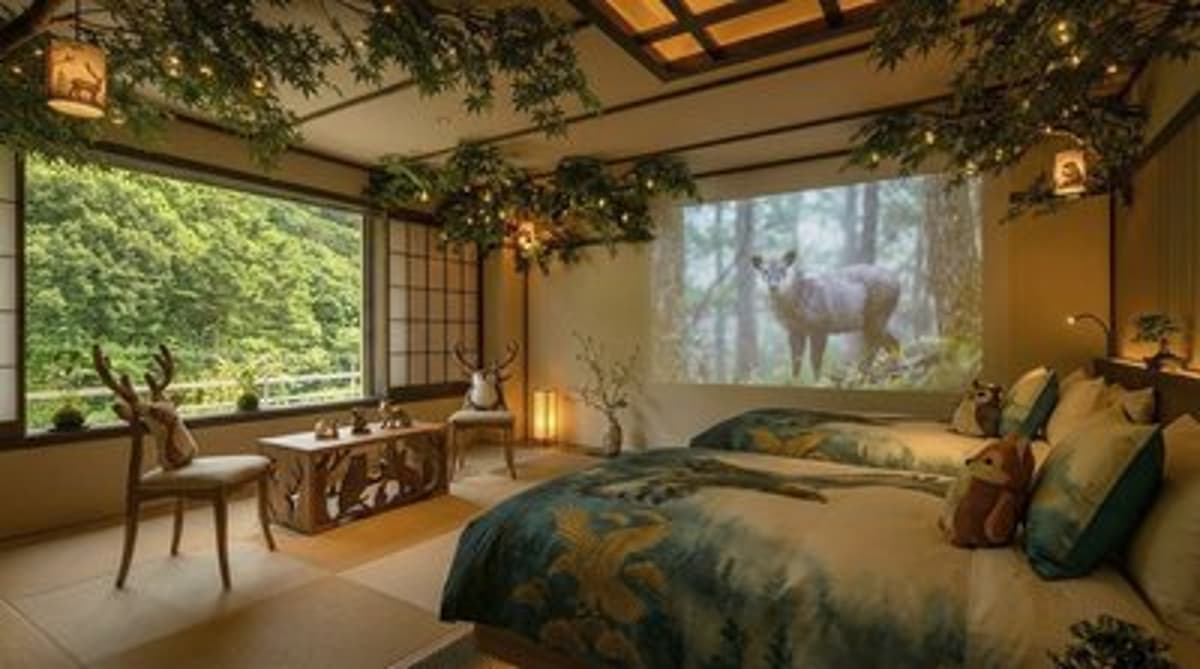
Hotel Stay Offers New Way to Support Animal Welfare in Northeast Japan
Why It Matters
The initiative blends hospitality with conservation funding, creating a scalable model for CSR‑driven revenue in the tourism sector. It offers travelers a tangible way to contribute to wildlife protection while enhancing the hotel’s brand appeal.
Key Takeaways
- •Crowdfunding aims for ¥5 million ($31,300) to build animal‑themed room.
- •Room will host up to four guests with nature‑inspired décor.
- •5% of room revenue funds Zoomo’s wildlife rescue and conservation.
- •Surplus funds will add multisensory exhibits for immersive experience.
- •Project links hospitality with environmental education in Japan’s Iwate region.
Pulse Analysis
The Yunomori Hotel Shidotaira in Hanamaki is turning a standard overnight stay into a miniature conservation platform. By designing a concept room that evokes Japan’s satoyama—where cultivated fields meet forested hills—the hotel offers guests a tactile connection to wildlife. Furniture printed with animal motifs, artificial foliage and plush toys create a playful yet educational environment. This approach taps into a growing desire among travelers for experiences that blend leisure with purpose, positioning the property as a pioneer in eco‑centric hospitality in the Tōhoku region.
The project is financed through a ¥5 million (≈ $31,300) crowdfunding drive that runs until May 24, with a clear allocation plan. About five percent of the room’s nightly revenue, plus ancillary sales, will be funneled into a dedicated fund at Morioka Zoological Park Zoomo, supporting habitat upgrades and the rescue of injured wild animals. Should contributions exceed the target, organizers intend to enrich the space with multisensory installations—soundscapes, scents and tactile displays—that deepen visitor immersion. This revenue‑sharing model demonstrates a pragmatic way to monetize conservation without relying solely on donations.
Beyond the local impact, the initiative signals a shift in how hotels can embed corporate social responsibility into their core offering. As Japanese travelers increasingly favor experiences that align with environmental values, similar concept rooms could proliferate across the country’s resort towns. For the broader hospitality sector, the model provides a template for leveraging guest spending to fund wildlife programs, enhancing brand reputation while delivering measurable conservation outcomes. If successful, the Yunomori experiment may inspire partnerships between tourism operators and NGOs worldwide, redefining the economics of sustainable travel.
Hotel stay offers new way to support animal welfare in northeast Japan
Comments
Want to join the conversation?
Loading comments...