Why It Matters
The decline threatens millions of lives and destabilizes fragile regions, while a modernized aid framework could safeguard health, security, and geopolitical stability at a fraction of military spending costs.
Key Takeaways
- •Aid fell 23.1% in 2025, cutting $40 billion
- •136,000 refugees lost food aid, 54 children died in Kenya
- •Lancet warns over 9 million potential deaths from aid cuts
- •New model emphasizes $174 billion existing aid, efficiency, tech
- •Debt interest $415 billion could fund 10 million teachers
Pulse Analysis
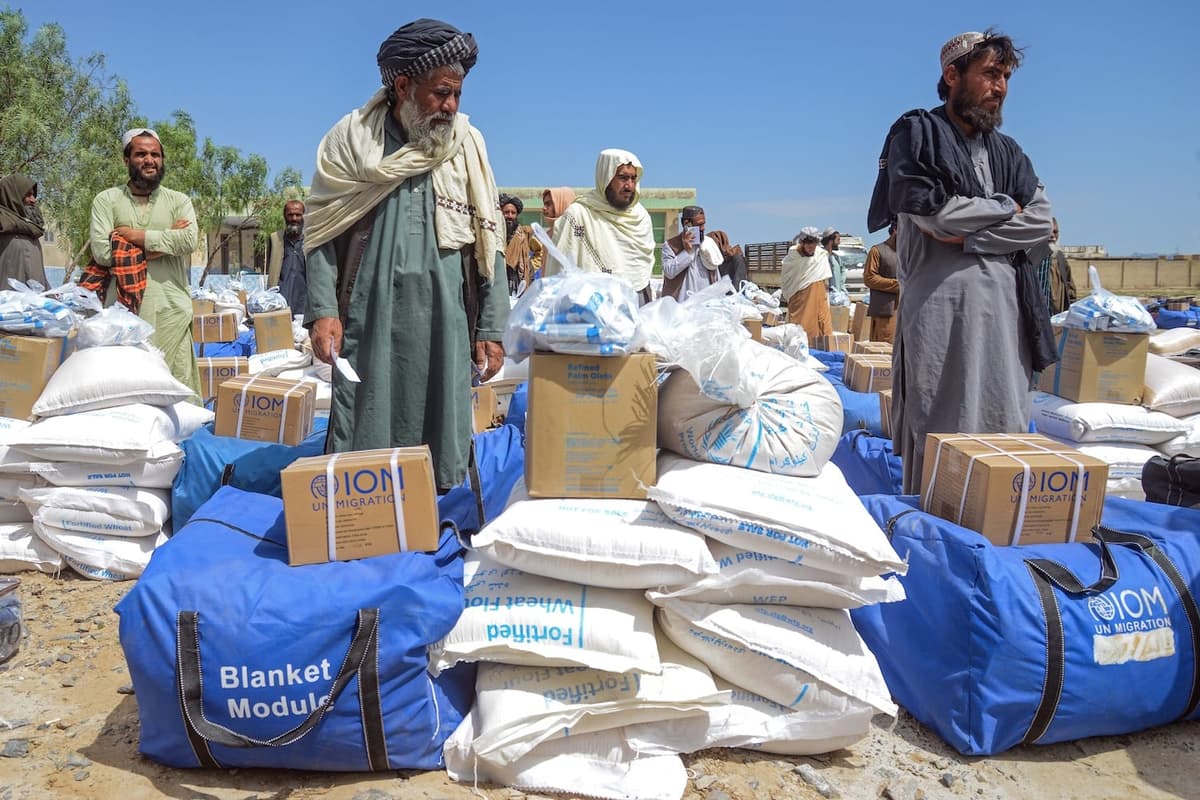
The latest OECD data reveal a historic 23.1% contraction in foreign assistance from the United States, Europe and other donors, wiping out about $40 billion in 2025. While the figure represents less than a tenth of a percent of global GDP, its human cost is stark: in Kenya’s Kakuma refugee camp, the sudden halt of U.S. funding to the World Food Programme left 136,000 people without essential nutrition, resulting in 54 child deaths. A recent Lancet analysis extrapolates these shocks, projecting over 9 million excess deaths—including 2.5 million children—if aid reductions persist.
To reverse this trajectory, the author proposes a two‑pronged strategy. First, preserve and better allocate the $174 billion still flowing from wealthy nations toward high‑impact, technology‑enabled interventions such as ready‑to‑use therapeutic foods. Second, transition to a country‑led, results‑oriented development model that blends public‑private partnerships and local financing. Nations like Brazil, Indonesia and Kenya already run school‑meal programs funded domestically, demonstrating that locally anchored safety nets can be politically popular and fiscally sustainable. Moreover, redirecting the $415 billion low‑ and middle‑income debt service—enough to pay 10 million teachers—could amplify human capital gains across sub‑Saharan Africa, South Asia and Latin America.
Beyond the moral imperative, modernizing aid delivers strategic dividends for donor countries. Effective humanitarian investment curtails migration pressures, stabilizes conflict‑prone regions, and reduces the need for costly military engagements. By framing assistance as a security‑enhancing, cost‑effective tool—far cheaper than new wars or geopolitical brinkmanship—wealthy nations can rebuild public support for foreign aid while achieving measurable outcomes that protect lives and promote global stability.
How to Prevent 9 Million Deaths
Comments
Want to join the conversation?
Loading comments...