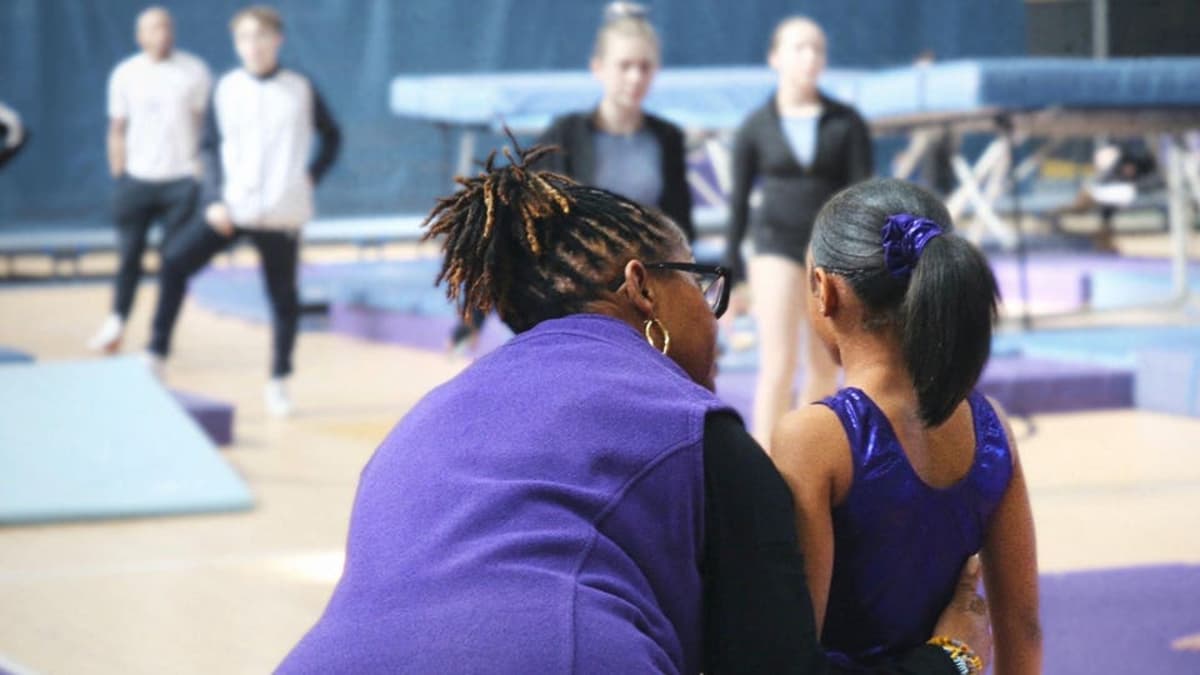
Inside 30 Years Of Progress At The Wendy Hilliard Gymnastics Foundation
Why It Matters
The foundation demonstrates how targeted philanthropy can break socioeconomic barriers in a traditionally elite sport, fostering a pipeline of Black talent and reshaping gymnastics’ demographic landscape. Its success signals to sponsors and policymakers that sustained investment yields measurable community and competitive outcomes.
Key Takeaways
- •WHGF has served nearly 30,000 inner‑city youth since 1996
- •Fundraising spikes in 2013 and 2016, boosted by Douglas and Biles
- •Expanded to Detroit in 2016 and partnered with Harlem Children’s Zone
- •Goal: secure permanent, exclusive gymnastics facilities in New York and Detroit
- •Black gymnasts' rise highlights need for sustainable HBCU gymnastics programs
Pulse Analysis
Gymnastics has long been perceived as an expensive, suburban pastime, leaving urban communities under‑represented. Wendy Hilliard leveraged her own experience breaking into the sport to create a model that pairs high‑quality coaching with community outreach. By situating programs in Harlem and later Detroit, the foundation not only provided affordable training but also introduced elite coaching standards—an approach that has become a template for other youth sports nonprofits seeking to democratize access.
The foundation’s financial trajectory underscores the power of strategic fundraising. Early campaigns in 2013 and 2016, energized by Olympic champions Gabby Douglas and Simone Biles, unlocked resources that funded facility rentals, equipment, and travel for competitions. These investments translated into tangible results: athletes like ZaQuae Carter and BJ Mensah reached World Championship podiums, while the partnership with the Harlem Children’s Zone amplified community engagement. The visibility generated by high‑profile supporters has also attracted corporate sponsors, creating a virtuous cycle of support and performance.
Looking ahead, WHGF’s push for permanent, exclusive facilities marks a critical evolution from temporary spaces to institutional permanence. This ambition aligns with broader calls for sustainable HBCU gymnastics programs, a sector still grappling with funding shortfalls despite recent breakthroughs. By securing dedicated venues in New York and Detroit, the foundation aims to cement a legacy that ensures future generations can train without the logistical constraints that once limited participation. The model offers a roadmap for other sports seeking to blend elite performance with social equity, highlighting how focused philanthropy can reshape an industry’s demographic and economic landscape.
Inside 30 Years Of Progress At The Wendy Hilliard Gymnastics Foundation
Comments
Want to join the conversation?
Loading comments...