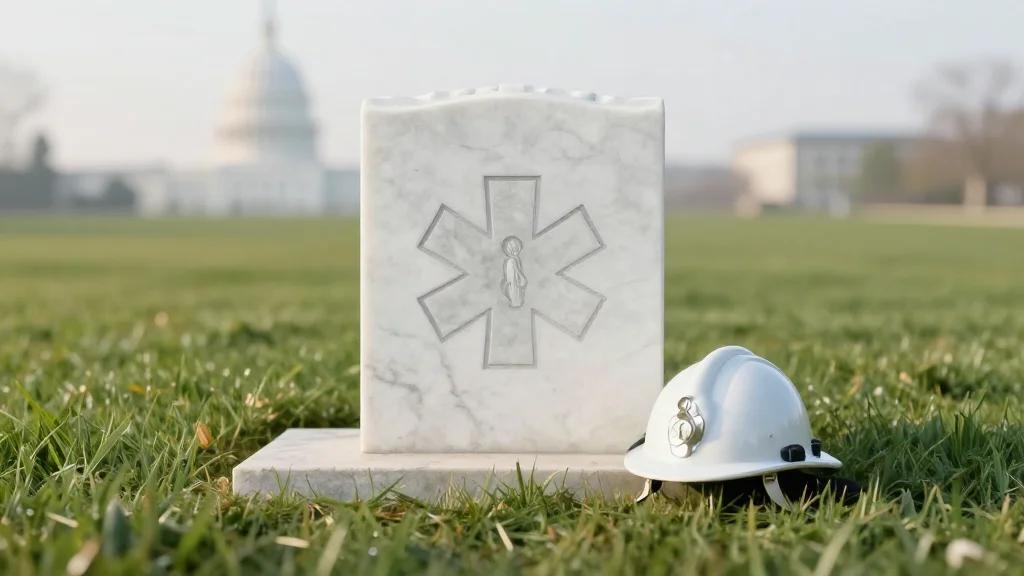
Minn. Paramedic Pushes for Memorial Honoring Fallen EMS
Why It Matters
The memorial fills a symbolic gap among Minnesota’s first responders, bolstering morale and public recognition. It also establishes a state‑level precedent for honoring EMS sacrifices, potentially influencing similar initiatives nationwide.
Key Takeaways
- •Only Minnesota EMS lacks a Capitol memorial for fallen responders.
- •Foundation raised about $50,000 toward privately funded memorial.
- •State must approve site before design and additional fundraising.
- •Memorial will display names, giving families a physical place to honor.
- •Founder Adam Harvey earned first EMS Advancement Champion Award.
Pulse Analysis
Across the United States, line‑of‑duty death memorials have become a cornerstone of honoring first responders, yet EMS professionals often remain excluded. While firefighters and police have dedicated monuments on state capitols, the absence of an EMS tribute in Minnesota underscores a broader oversight in recognizing the unique risks faced by emergency medical crews. This gap not only diminishes public awareness of EMS sacrifices but also limits the grieving process for families who lack a tangible place to pay respects.
In Minnesota, paramedic Adam Harvey has turned this omission into a rallying point. Through the Minnesota EMS Line of Duty Death Memorial Foundation, he has secured approximately $50,000 in private donations—a critical step because state‑funded memorials are prohibited. The foundation is now navigating the legislative approval process for a Capitol site, a prerequisite before any design work can commence. By embedding the names of fallen EMS providers on a permanent stone, the project promises to transform a digital list into a solemn, accessible landmark for loved ones and the public alike.
The initiative’s ripple effects could reshape how states honor EMS personnel. A Capitol memorial signals institutional validation, potentially influencing budget allocations for EMS safety programs and encouraging other states to adopt similar commemorations. Moreover, the visibility generated by Harvey’s EMS Advancement Champion Award may attract additional private donors, accelerating fundraising and setting a template for community‑driven memorial projects nationwide. As the memorial moves toward realization, it stands to reinforce the narrative that EMS workers are integral, heroic components of the emergency response ecosystem.
Minn. paramedic pushes for memorial honoring fallen EMS
Comments
Want to join the conversation?
Loading comments...