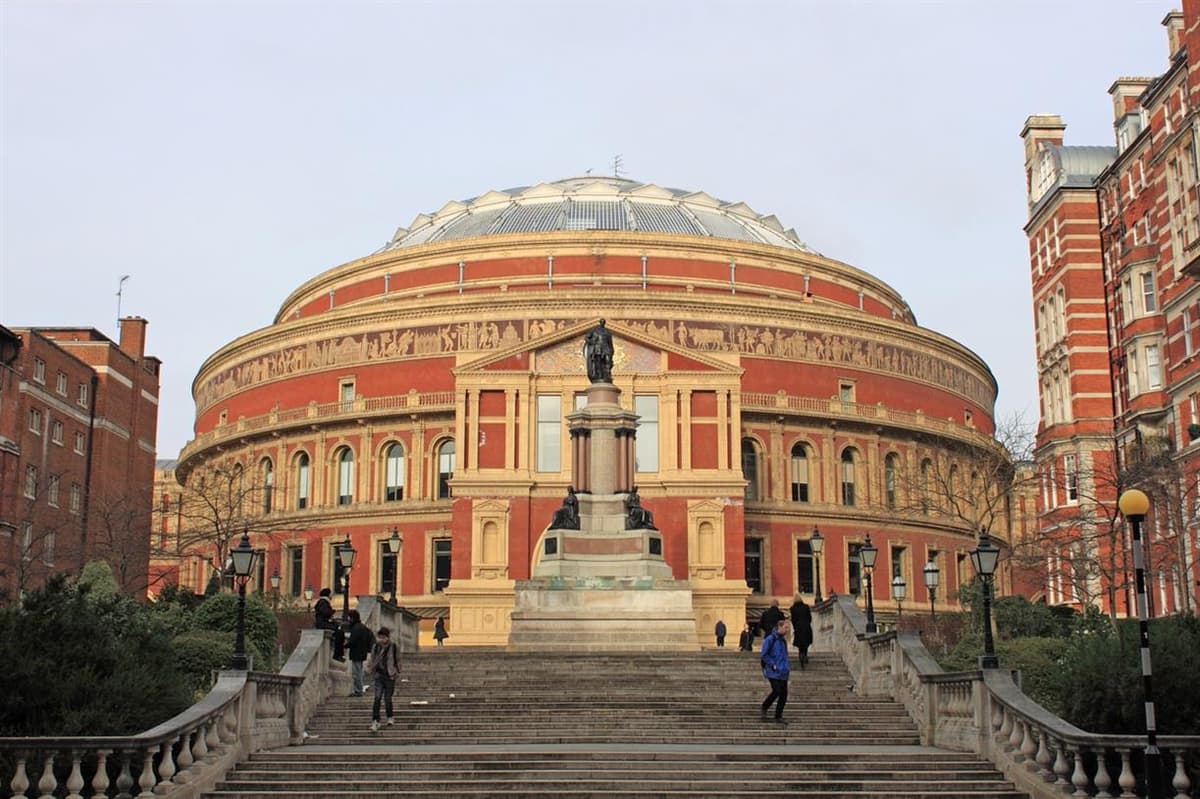
Royal Albert Hall Warns of 'Serious Consequences' For Charity as Bill in Danger of Falling
Why It Matters
The outcome directly impacts the Hall’s governance and financial stability, and sets a precedent for how charities with royal charters navigate parliamentary oversight.
Key Takeaways
- •Bill to amend Royal Albert Hall charity constitution faces carry‑over blockage
- •Failure could trigger costly operational disruption and threaten financial security
- •Nineteen of 25 trustees own seats, creating conflict of interest
- •Privately owned seats represent about 25% of the venue’s 5,000 seats
- •Revival motion before 13 May King’s speech needed to keep bill alive
Pulse Analysis
The Royal Albert Hall, a historic performance venue established by royal charter, operates as a charity whose governance is subject to parliamentary scrutiny. The private bill introduced in November 2022 aims to revise the charity’s constitution, specifically altering the limits on how many events seat‑holders can be excluded from each year. Because any constitutional change requires an act of Parliament, the bill has navigated multiple stages but stalled when a carry‑over motion was blocked before the recent prorogation, leaving its future uncertain.
At the heart of the controversy is a long‑standing conflict of interest. Roughly 25% of the Hall’s 5,000 seats are privately owned, and those owners receive tickets to most events. The 25‑member council that governs the charity includes 19 seat‑holding members, giving them disproportionate influence over commercial decisions. Critics argue this structure undermines transparency and could prioritize private profit over the Hall’s public mission. In response, the Hall pledged to disclose the annual revenue each trustee earns from ticket sales, a step aimed at easing parliamentary concerns.
If the legislation collapses, the Hall warns of “serious consequences,” including heightened operational costs and a real risk to its financial security. For the broader nonprofit sector, the episode highlights the challenges charities face when their governance models intersect with commercial interests and statutory oversight. A successful revival motion before the new parliamentary session—set to begin with the King’s speech on 13 May—could preserve the Hall’s reform agenda, while a rejection would force the charity to restart the legislative process, delaying needed governance changes and potentially eroding stakeholder confidence.
Royal Albert Hall warns of 'serious consequences' for charity as bill in danger of falling
Comments
Want to join the conversation?
Loading comments...