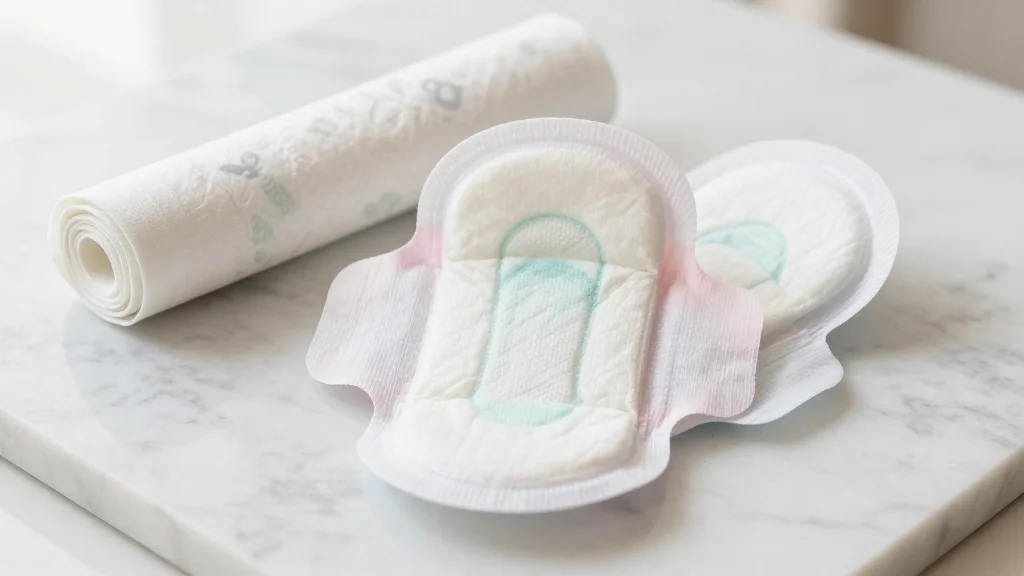
UHUMANS, Fashion Enter Launch Surplus Fabric Initiative to Tackle Period Poverty
Why It Matters
The program tackles two pressing issues—educational disruption from period poverty and the environmental toll of single‑use menstrual products—demonstrating a scalable circular‑economy solution for the UK market.
Key Takeaways
- •UHUMANS and Fashion Enter launch reusable pad pilot in Leicester
- •Surplus fashion fabric transformed into high‑quality period products
- •3,000 Leicester girls miss school; initiative could recover 37,000 days
- •Reusable pads cut UK’s 4.3 billion disposable product waste
- •Project aims national scale, linking fashion, sustainability, humanitarian aid
Pulse Analysis
Period poverty remains a hidden crisis in the United Kingdom, with estimates that 3,000 girls in Leicester alone miss school each year, translating to roughly 37,000 lost education days. The financial burden is equally stark: a UK woman spends about £20,000 (≈ $25,000) on disposable menstrual products over a lifetime, most of which are single‑use plastics that linger in landfills for centuries. This combination of social inequity and environmental degradation has spurred innovators to seek circular solutions that address both problems simultaneously.
The UHUMANS‑Fashion Enter partnership exemplifies that approach by repurposing surplus fabric—often discarded as waste from fashion production—into durable, reusable period pads. These pads not only reduce reliance on the 4.3 billion disposable menstrual items used annually in the UK but also provide a dignified, cost‑effective alternative for those facing period poverty. The pilot in Leicester will supply schools and community centers with the pads, aiming to restore attendance and improve educational outcomes while showcasing how textile waste can be transformed into high‑impact social goods.
If successful, the model could catalyze a broader shift across the fashion and hygiene sectors. Industry analysts see growing consumer demand for sustainable products and increasing regulatory pressure to reduce plastic waste, positioning reusable menstrual solutions as a growth area. Scaling the initiative nationally would create a replicable template for cross‑industry collaboration, potentially influencing policy incentives for circular manufacturing and encouraging other brands to integrate social purpose into their supply chains. The convergence of environmental stewardship and social responsibility could redefine how the UK tackles both waste management and gender‑based inequities.
UHUMANS, Fashion Enter launch surplus fabric initiative to tackle period poverty
Comments
Want to join the conversation?
Loading comments...