Key Takeaways
- •Hong Kong, Vancouver, San Francisco rank among world’s least affordable markets
- •Geographic barriers limit land supply, driving price spikes
- •Finance and tech sectors funnel global capital into local real estate
- •Vancouver’s empty‑home tax exemplifies policy attempts to curb speculation
- •Housing unaffordability threatens talent retention and long‑term economic growth
Pulse Analysis
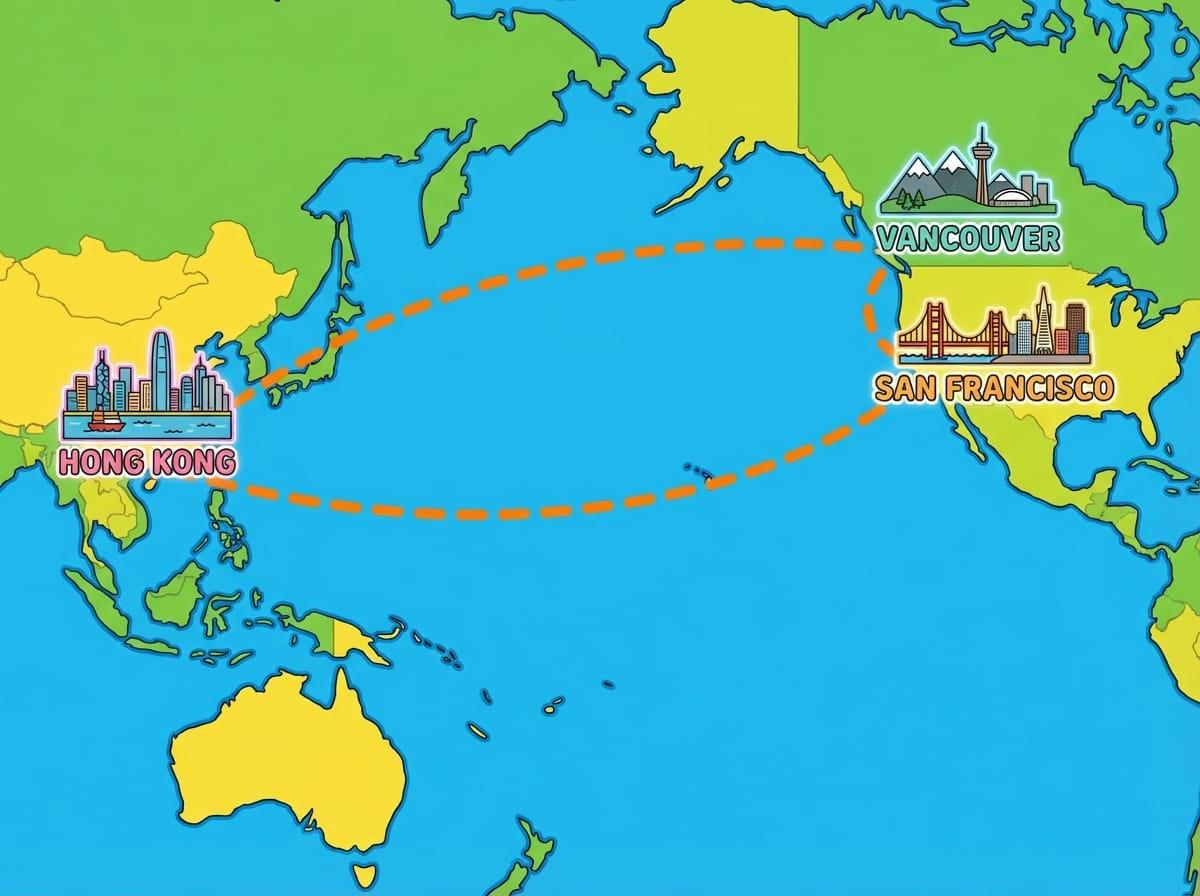
These three bayside metropolises—Hong Kong, Vancouver and San Francisco—share a paradox: they host vibrant finance and technology ecosystems while grappling with some of the steepest housing price‑to‑income ratios on the planet. Their combined populations of roughly 18 million fall short of New York’s 20 million, yet each city consistently outperforms neighboring regions in price growth. The scarcity of developable land, dictated by mountains, water bodies and strict zoning, creates a supply bottleneck that amplifies demand from high‑earning professionals and global investors. Understanding this dynamic is essential for anyone tracking real‑estate risk or talent migration in the global economy.
The demand side is equally potent. Hong Kong’s role as a gateway between East and West, Vancouver’s resource‑driven wealth, and the Bay Area’s tech dominance funnel billions of dollars into local property markets each year. Real estate becomes a preferred store of value for capital seeking stability, pushing prices beyond what local wages can sustain. This capital influx fuels a feedback loop: higher prices attract more affluent residents, which in turn justifies premium pricing. The pattern underscores how industry concentration can magnify geographic constraints, turning limited parcels of land into high‑stakes investment assets.
Policymakers have responded with varied tools—from Vancouver’s empty‑home tax to proposed zoning reforms in Hong Kong and California’s rent‑control debates—but lasting relief remains elusive. Investors watch these markets closely, balancing potential returns against regulatory risk and social backlash. For businesses, the affordability crunch influences talent acquisition costs and may prompt remote‑work strategies. As cities confront the twin pressures of growth and livability, the next wave of urban policy will likely focus on innovative density solutions, transit‑oriented development, and calibrated capital controls to preserve both economic dynamism and resident well‑being.
Cities by the Bay
Comments
Want to join the conversation?