Destination Coworking Is Changing How — And How Long — People Travel
Key Takeaways
- •Remote workers start trips Thursday, extend ski weekends
- •Families book full week, balancing work and ski school
- •Destination coworking turns tourists into longer‑stay customers
- •Operators can tap ski, coastal, lake towns for growth
- •Shift moves coworking focus from urban density to experience
Pulse Analysis
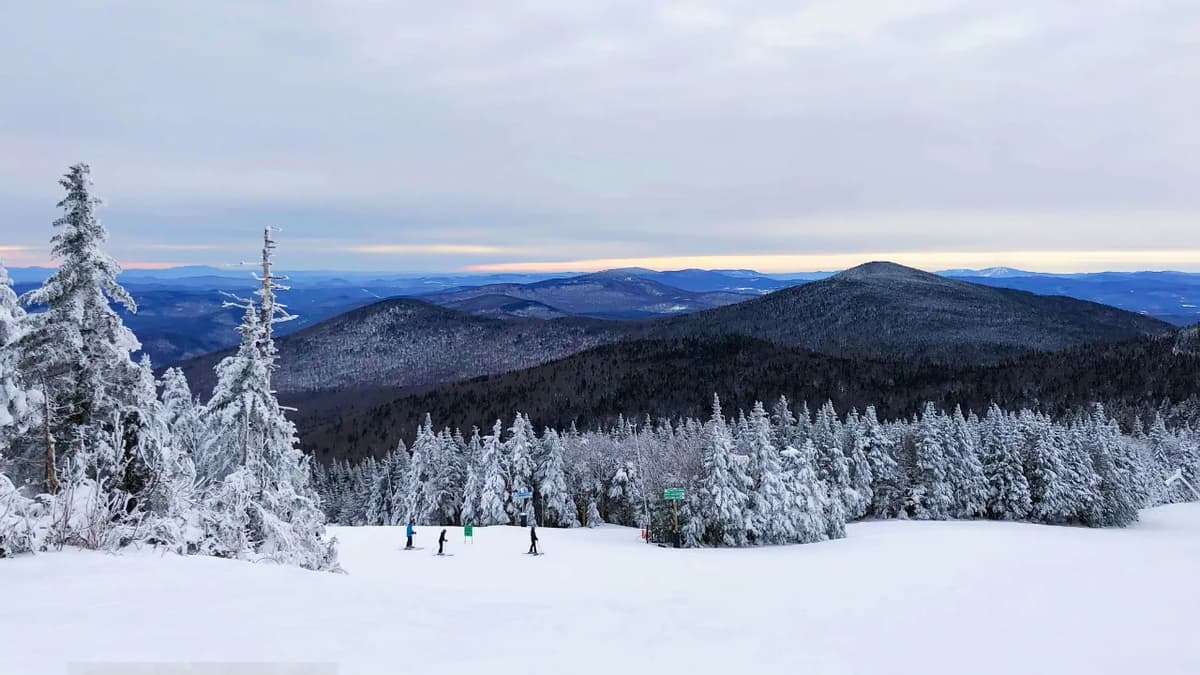
The surge in remote work has untethered employees from traditional office districts, prompting them to seek environments where productivity and leisure coexist. Killington’s Slope Space illustrates this trend: a fully equipped desk with high‑speed internet allows a New York professional to clear a workday on Thursday, then transition to four days of skiing. This hybrid itinerary not only maximizes vacation time but also creates a new customer segment for coworking providers—travelers who need a reliable workspace before they can fully unwind.
Families are amplifying the effect by extending trips to a full week. With one parent stationed at a dedicated desk, children can attend ski school daily, and evenings become shared family time rather than rushed departures. The longer stay translates into higher occupancy rates for local lodging and increased ancillary spend on dining and activities. For coworking operators, the model offers predictable, multi‑day revenue streams and the opportunity to bundle services—such as equipment rentals or local tours—directly into membership packages.
For the flexible‑workspace industry, destination coworking signals a strategic pivot away from dense urban cores toward experience‑driven locales. Ski resorts, coastal towns, national‑park gateways, and lake communities now present viable markets where demand is driven by lifestyle rather than proximity to corporate headquarters. Providers that invest in high‑quality connectivity, ergonomic furniture, and community programming can differentiate themselves and capture a share of the growing “work‑cations” economy. The challenge lies in scaling operations seasonally while maintaining service consistency, but the upside—higher margins, diversified geography, and brand loyalty among itinerant professionals—makes the shift compelling.
Destination Coworking Is Changing How — And How Long — People Travel
Comments
Want to join the conversation?