
Key Takeaways
- •NYC ground‑floor rents outpace small business revenues
- •Empty storefronts persist for years, harming neighborhood vitality
- •Proposed 12‑month re‑let penalty aims to curb vacancies
- •Policy could incentivize affordable leasing and market correction
- •Landlord‑tenant balance critical for sustainable urban commerce
Pulse Analysis
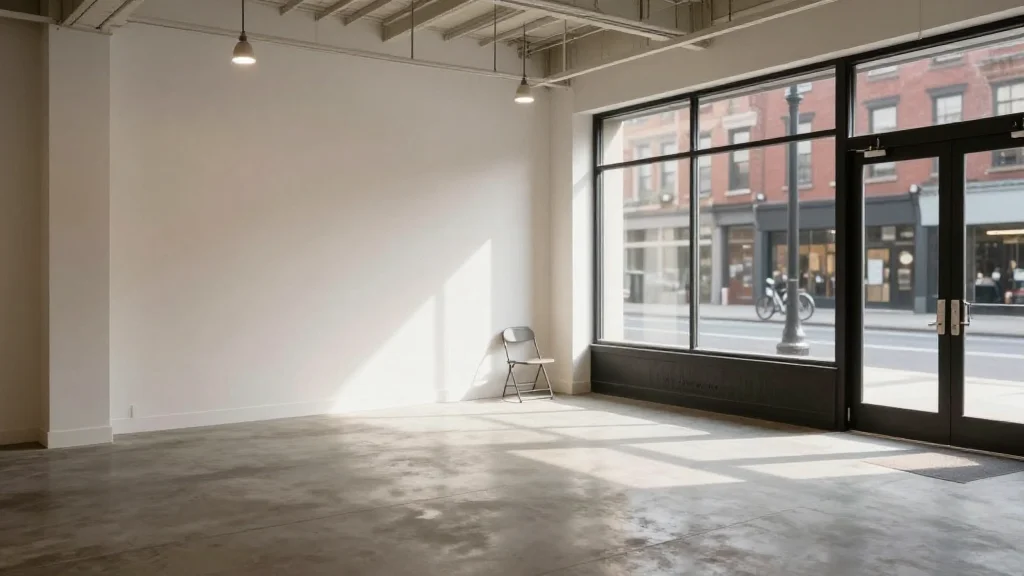
New York City’s ground‑level commercial real estate has reached a tipping point, with countless storefronts sitting vacant for years. Rising rent demands, driven by speculative landlords, often exceed the profit margins of independent restaurants and boutiques, forcing many to shutter despite strong community demand. The visual blight of empty windows erodes neighborhood character and reduces foot traffic, creating a feedback loop that discourages new entrants. This dynamic mirrors broader affordability challenges in the city’s housing market, where price inflation outpaces average incomes, highlighting a systemic mismatch between supply costs and local purchasing power.
The blog post proposes a 12‑month re‑let requirement, coupled with escalating fines for landlords who fail to secure tenants. Similar vacancy‑penalty schemes have been employed in European cities such as Berlin and Paris, where they have modestly increased turnover and pressured owners to adjust rents to market realities. In New York, a calibrated penalty could create a financial incentive to lower asking prices, attract emerging businesses, and reduce the duration of empty spaces. However, enforcement mechanisms and legal challenges would need careful design to avoid unintended consequences for property owners.
Beyond punitive measures, a holistic approach is needed to revitalize street‑level commerce. Municipal incentives, such as tax abatements for affordable leases or shared‑risk financing, can lower entry barriers for small operators. Community land trusts and cooperative ownership models also offer pathways to keep rents aligned with neighborhood income levels. By combining regulatory pressure with supportive programs, the city can transform vacant storefronts into vibrant hubs, preserving the cultural fabric that makes Manhattan’s districts distinct while fostering sustainable economic growth.
Ground Level Retail
Comments
Want to join the conversation?