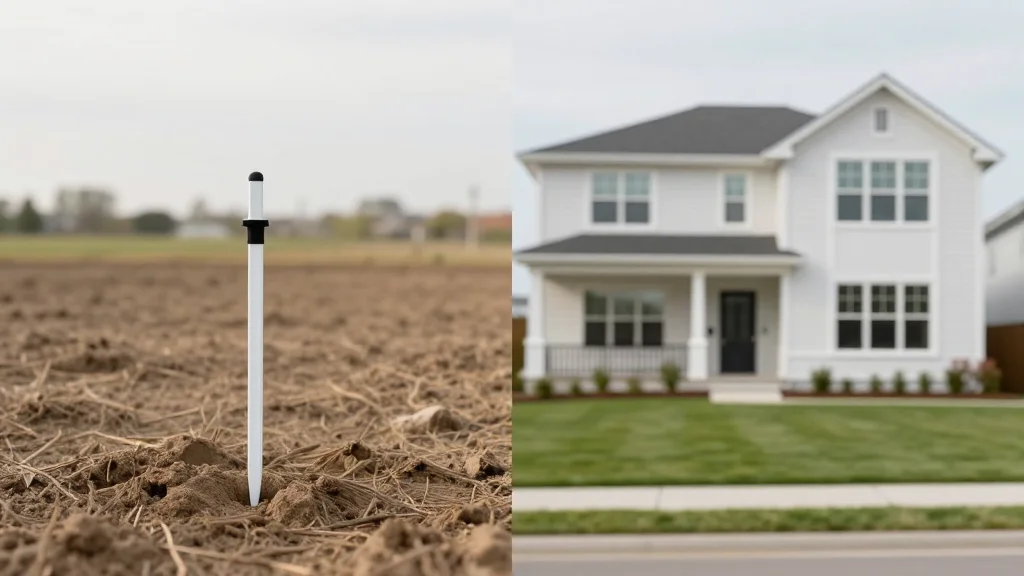
Land Flipping Vs House Flipping: Comparison Guide (2026)
Key Takeaways
- •Land flipping needs lower capital and minimal renovation costs.
- •House flipping offers higher returns but requires extensive financing and project management.
- •Success hinges on market analysis: zoning trends for land, demand for homes.
- •Financing differs: limited loans for raw land versus leverage for houses.
Pulse Analysis
Land flipping has surged as a low‑barrier entry point for real‑estate investors seeking modest capital outlays. By targeting undervalued parcels near emerging infrastructure or zoning upgrades, investors can capture appreciation without the headaches of construction. The strategy’s simplicity—few permits, no interior work—means faster closings and lower holding costs, but it also exposes participants to market volatility and limited financing options. Savvy flippers mitigate these risks through rigorous due‑diligence, including title searches, environmental assessments, and close monitoring of municipal development plans.
House flipping, by contrast, remains a high‑reward, high‑complexity play that thrives in strong housing cycles. Access to leverage allows investors to control larger assets, while strategic renovations can add significant value in a short timeframe. However, the model demands precise budgeting, reliable contractors, and an acute sense of buyer preferences. Construction delays, cost overruns, and shifting interest rates can erode margins quickly. Successful house flippers therefore blend detailed project management with real‑time market intelligence, often using data‑driven tools to forecast resale prices and optimize design choices.
Choosing between land and house flipping hinges on an investor’s financial capacity, risk appetite, and expertise. Those with limited cash reserves and a preference for passive ownership may favor land, especially in growth corridors where zoning reforms are imminent. Conversely, investors comfortable with active project oversight and capable of securing mortgage or hard‑money financing may pursue house flips to maximize upside. As urbanization accelerates and remote‑work trends reshape demand, both segments will evolve, making continuous education and adaptive strategies essential for sustained profitability.
Land Flipping Vs House Flipping: Comparison Guide (2026)
Comments
Want to join the conversation?