RIP
Key Takeaways
- •13,726 unsold GTA condo units cover 2.5 years of demand
- •Condo prices fell 30% to about $401k USD since Feb 2022
- •New condo construction halted Q1 2026, first time in 30 years
- •Investor ownership dropped as 60% of recent buyers are underwater
- •Single‑family home sales modestly up, but condos 84% below trend
Pulse Analysis
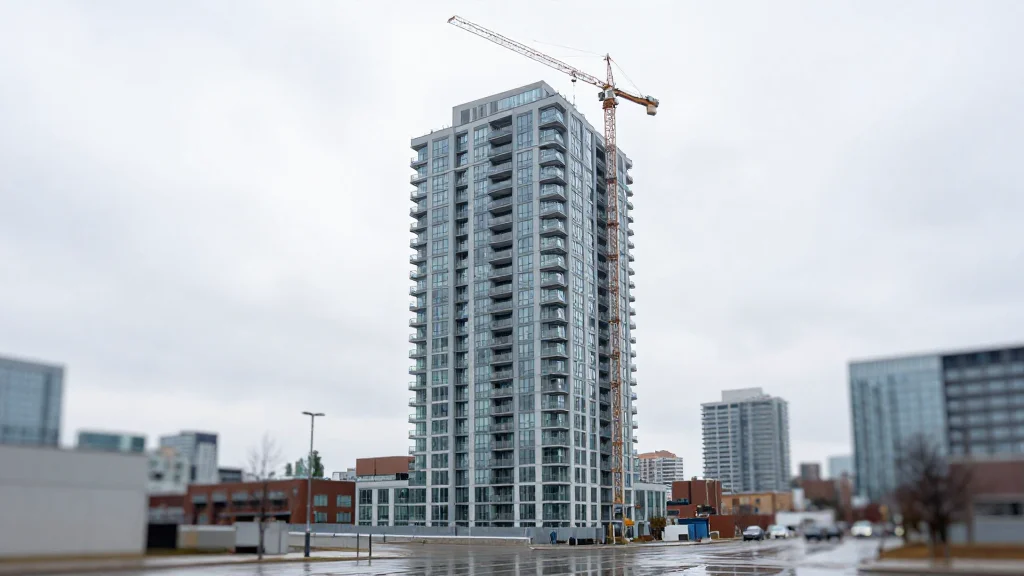
The Canadian condominium sector, once a cornerstone of urban affordability, now faces an unprecedented inventory glut. With over 13,700 vacant units in the Greater Toronto Area alone, the market can satisfy current demand for more than two years without new construction. Prices have plunged from roughly $569,000 USD in early 2022 to about $401,000 USD, a 30% correction that outpaces the modest 10% decline seen in detached homes. This disparity reflects both the higher cost base of condo projects and the erosion of speculative demand that once buoyed the segment.
Several forces converge to explain the downturn. Escalating material, land and labour costs have pushed average new condo prices in the GTA above $1 million CAD (≈$740,000 USD), pricing out first‑time buyers. Simultaneously, mortgage rates have risen sharply, squeezing cash‑flow for both owner‑occupiers and investors. The latter, who historically accounted for roughly half of new condo purchases, are now underwater, with more than 60% reporting negative cash flow. Demographic shifts—young buyers wary of economic volatility and a stagnant population growth—further depress demand, while rent declines erode the investment case.
Looking ahead, the construction pause that began in Q1 2026 could set the stage for a supply‑demand reversal once confidence returns. Developers may resume projects only when inventory levels normalize, potentially driving a price rebound. Policymakers face a delicate balance: incentives such as HST rebates have spurred single‑family sales but have yet to revive condo interest. External risks, including volatile oil prices, trade negotiations, and geopolitical tensions, could exacerbate the slowdown. Stakeholders should monitor inventory trends, financing conditions, and investor sentiment to gauge when the condo market might transition from stagnation to recovery.
RIP
Comments
Want to join the conversation?