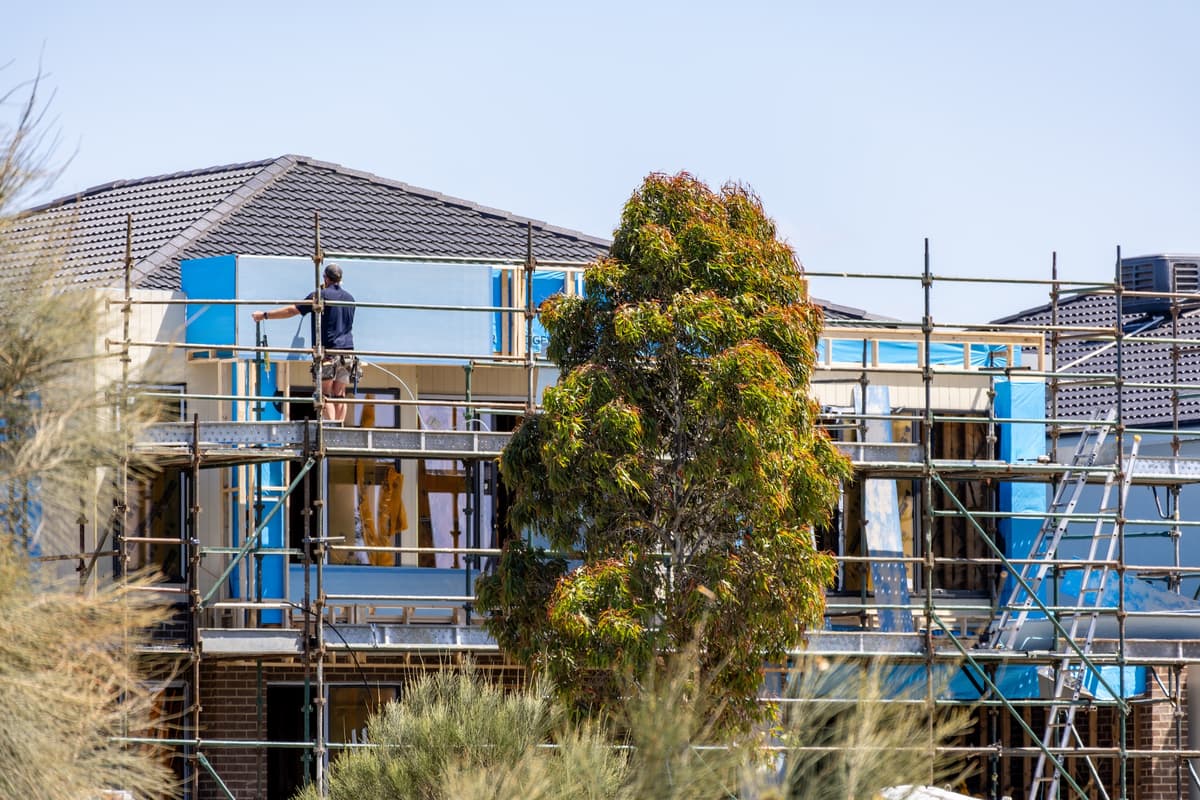
The Boom and Bust Trap Keeping Australian Housebuilding Flat for Forty Five Years
Key Takeaways
- •1.2 M homes target by 2029 deemed unattainable
- •Construction productivity, not planning, is core bottleneck
- •SME‑dominated sector suffers low margins and high insolvency risk
- •Boom‑time backlogs persist, flattening detached‑home starts for 45 years
- •Subcontracted, linear workflow creates chronic scheduling delays and defects
Pulse Analysis
Australia’s housing market has become a flashpoint for policymakers as population growth outpaces supply. The 1.2 million‑home target set for 2029 was intended to ease affordability pressures, yet the AHURI report reveals that the bottleneck lies in construction productivity, not land‑use regulation. By quantifying the chronic inefficiencies of a fragmented, SME‑driven sector, the study adds a data‑rich layer to a debate that has long been dominated by zoning and demand‑side arguments, underscoring the need for a productivity‑first agenda.
At the heart of the crisis is an industry built on temporary subcontractor teams, low profit margins and fragile cash‑flow dynamics. Builders often accept deposits to fund ongoing projects, creating a cycle of backlogs that swell during booms and rarely clear in busts. This perpetual queue, compounded by under‑utilised labour and high insolvency rates, means that even when demand spikes, the linear, schedule‑sensitive workflow cannot accelerate output. The result is a flat trajectory for detached‑home starts over the past 45 years, despite a doubling of the population.
For investors, developers and regulators, the implications are clear: boosting supply requires structural reforms that raise productivity rather than simply loosening planning rules. Potential levers include incentivising capital investment in modular technologies, fostering longer‑term employment contracts to retain skilled trades, and creating financing mechanisms that reduce cash‑flow stress for SMEs. As the report hints, the dynamics differ for multi‑unit apartments, suggesting that targeted, product‑specific strategies may be the most effective path to meeting Australia’s housing objectives.
The boom and bust trap keeping Australian housebuilding flat for forty five years
Comments
Want to join the conversation?