The Property Developer’s Guide to Low-Maintenance Outdoor Spaces in 2026
Key Takeaways
- •Low‑maintenance gardens speed sales by 15‑20% and add $10‑$19k premium.
- •Hard‑scape ratio of 70% hard, 30% planting minimizes upkeep.
- •Composite decking lasts 25 years, eliminating timber replacement costs.
- •Robotic mowers provide set‑and‑forget lawn care, reducing service claims.
- •Early integration of automation cuts retro‑fit expenses and improves buyer appeal.
Pulse Analysis
Buyers now rank outdoor space alongside location and bedroom count, forcing developers to rethink garden design as a revenue driver rather than an afterthought. Market analysis reveals that homes featuring low‑maintenance landscaping not only close sales 15‑20% faster but also fetch $10‑$19k more, while warranty claims linked to poor exterior finishes account for roughly 40% of all post‑sale issues. These figures underscore a clear business case: investing in durable, low‑upkeep solutions pays for itself through quicker turnover, higher price points, and reduced after‑sales costs.
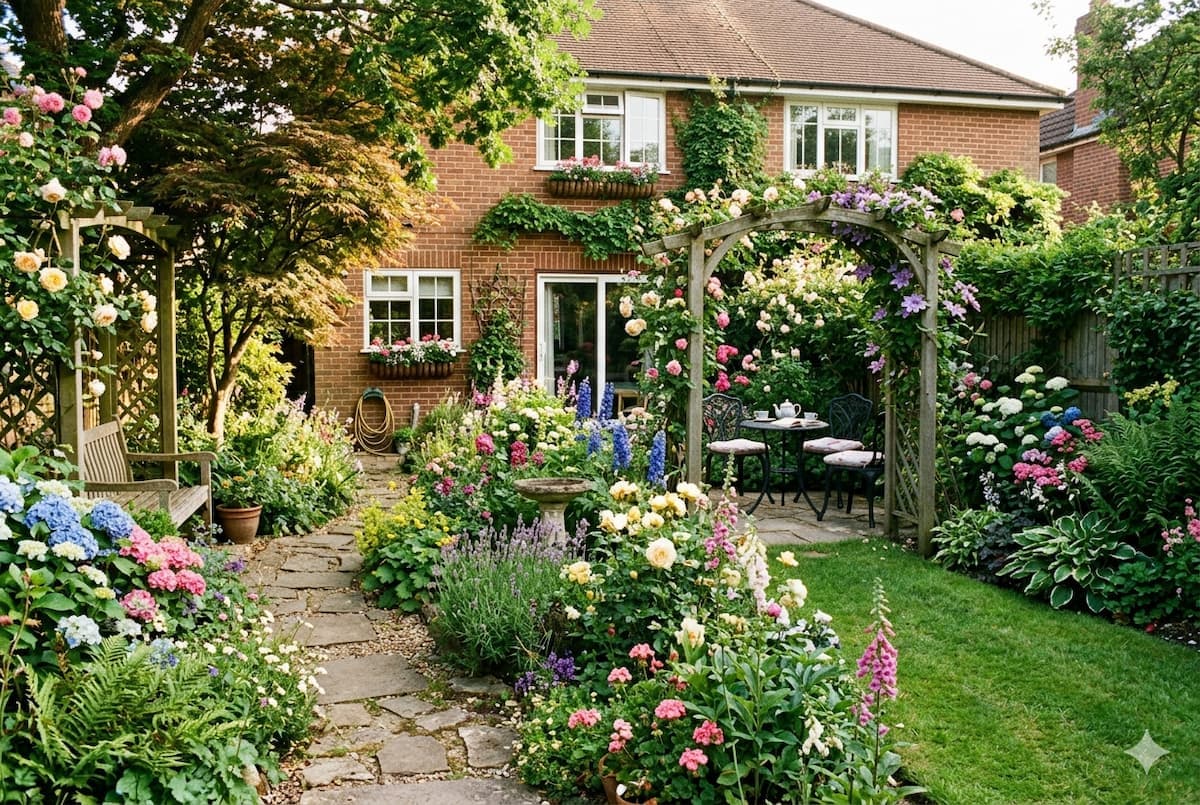
The guide’s design framework starts with hard landscaping, where materials such as porcelain pavers and composite decking deliver near‑zero upkeep despite higher upfront costs. A 70/30 split between hard surfaces and planting creates visual balance while limiting the labor‑intensive areas. Selecting native, drought‑tolerant species—lavender, rosemary, sedum—further cuts watering and pruning needs. Smart zoning separates high‑traffic entertaining zones from low‑maintenance visual interest areas, and raised beds or container planting streamline soil management. Together, these tactics produce gardens that stay attractive for years with minimal resident effort.
Technology amplifies the low‑maintenance promise. Robotic lawn mowers, now available in wire‑free, GPS‑guided models, offer set‑and‑forget mowing that aligns with the smart‑home expectations of modern buyers. Integrated with simple charging stations installed during construction, they eliminate retro‑fit complexities and lower service call volumes. Complementary solutions—motion‑sensor lighting, solar‑powered water features, and app‑controlled irrigation—enhance usability while keeping operating costs low. By embedding these systems early, developers not only differentiate their projects but also secure a measurable return through faster sales, premium pricing, and fewer warranty claims.
The Property Developer’s Guide to Low-Maintenance Outdoor Spaces in 2026
Comments
Want to join the conversation?