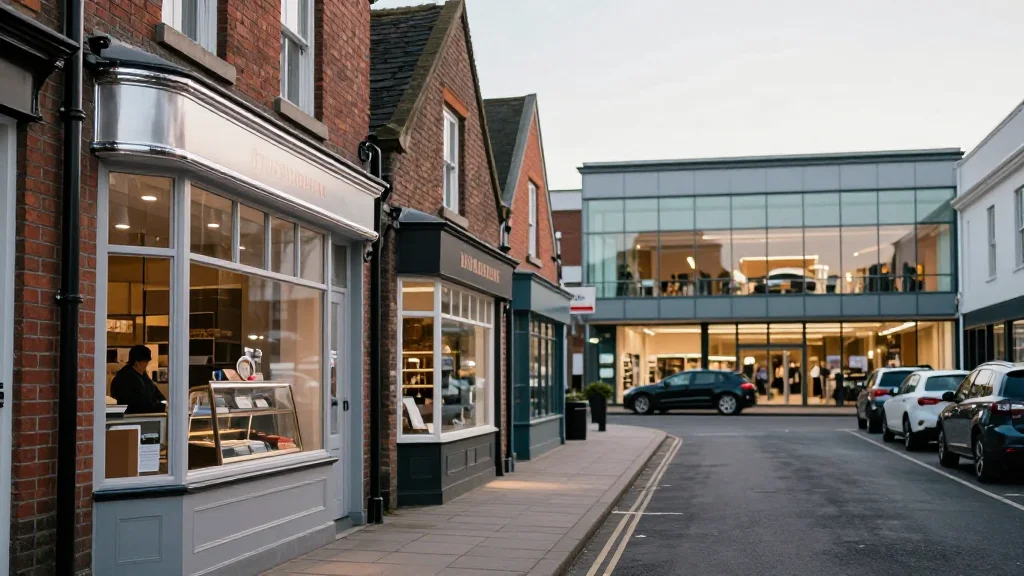
Key Takeaways
- •Post‑war exclusionary zoning displaced neighborhood‑scale retailers on Las Tunas Drive
- •Mixed‑use zoning revisions in 2023‑25 aim to revive ground‑floor commerce
- •Surviving businesses owe longevity to low overhead, owned buildings, and craft
- •Car‑centric parking requirements still hinder walk‑able retail revitalization
- •Re‑imagining vacant storefronts can restore daily‑life services for local residents
Pulse Analysis
The mid‑20th‑century shift toward single‑use zoning and minimum parking standards reshaped countless American main streets. By separating residential, commercial, and industrial functions, cities unintentionally crippled the economic model of walk‑able neighborhoods, where small grocers, butchers, and diners thrived on foot traffic. This policy wave coincided with the rise of suburban highways and supermarkets, creating economies of scale that small retailers could not match. The result was a nationwide erosion of local supply chains, higher vehicle dependence, and a gradual loss of community cohesion.
Las Tunas Drive exemplifies that broader trend. Once a micro‑economy of family‑owned shops, the corridor saw its meat market close in the 1990s, its dairy drive‑through disappear by the early 2000s, and its iconic Goody’s Restaurant shutter in 2010. The few survivors—Tony’s Shoe Repair and Mission Hardware—persist because they own their premises and offer services that cannot be outsourced. Recent amendments to San Gabriel’s C‑1 and C‑3 zones now allow residential units above street‑level retail, a nod to mixed‑use principles. However, the reforms are primarily a response to California’s housing mandate, leaving ground‑floor use rules and parking requirements largely unchanged.
The policy lesson is clear: zoning can be a lever to rebuild the missing “first‑mile” services that support equity and sustainability. Cities should pair mixed‑use allowances with relaxed parking minimums, especially near transit, to lower the cost barrier for small retailers. Incentivizing local entrepreneurs to occupy vacant storefronts—through tax credits, streamlined permitting, or community land trusts—can revive daily‑life commerce without sacrificing the housing goals driving recent code changes. By aligning zoning, transportation, and economic development strategies, municipalities can restore walkable corridors that serve all residents, not just those with cars.
The Street That Forgot What It Was For
Comments
Want to join the conversation?