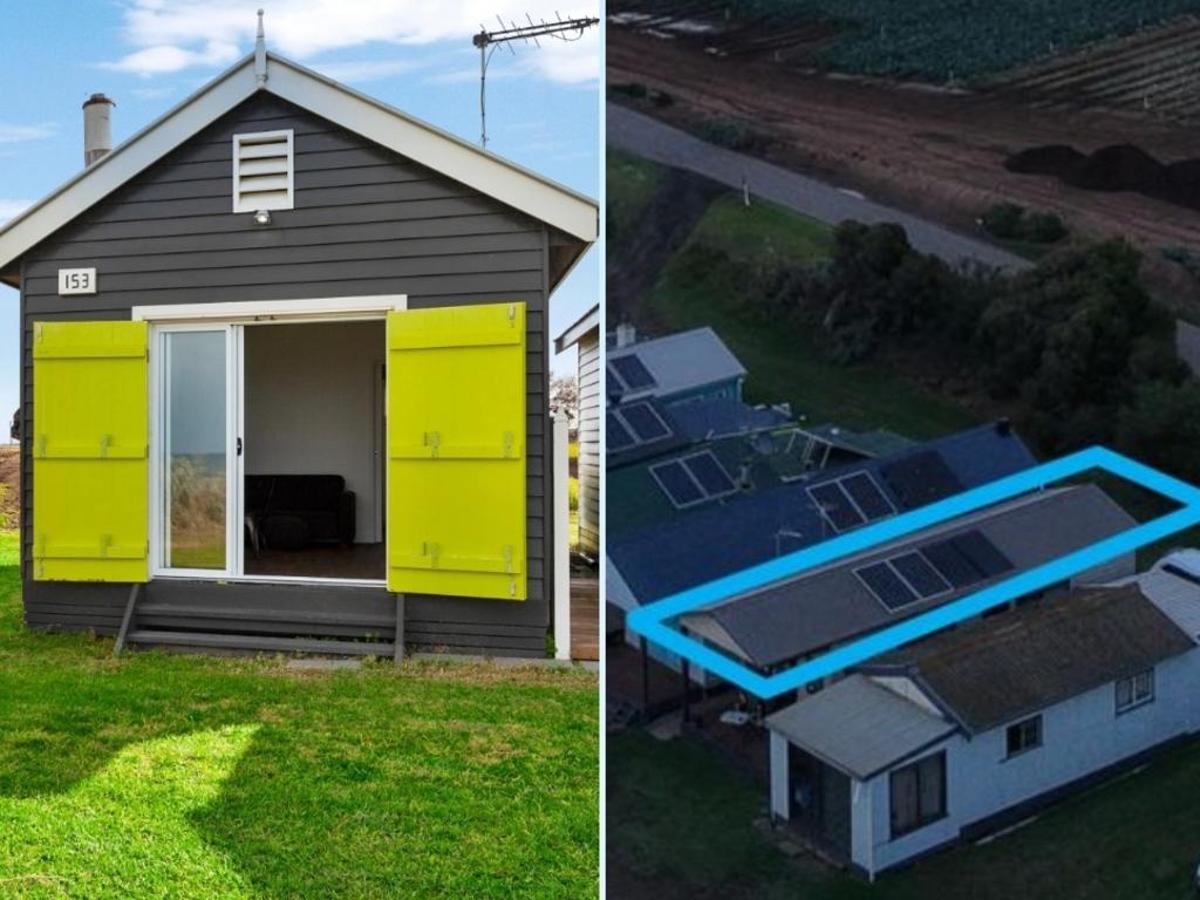
$125k Werribee South Beach Shack Comes with ‘Illegal’ Catch
Why It Matters
The deal underscores a niche but growing demand for low‑cost, lease‑based lifestyle properties, while highlighting regulatory limits that restrict full‑time residency on valuable foreshore land.
Key Takeaways
- •Shack sold for AU$125k (≈US$82.5k) with 99‑year lease
- •Lease forbids permanent residence; only leisure use permitted
- •Buyers obtain beach access at a fraction of coastal prices
- •Only third foreshore‑lease sale in 13 years, very rare
- •Used mainly as weekend family cabins, not primary homes
Pulse Analysis
Australia’s coastal real estate market is increasingly segmented, with a small but active niche for lease‑based lifestyle properties. Foreshore leases, like the 99‑year term secured for the Werribee South shack, grant occupants use of prime waterfront without transferring land title. This arrangement sidesteps the high capital outlay required for full ownership, allowing buyers to enjoy direct beach access for a modest price. However, the lease terms are strict: permanent habitation is prohibited, limiting the structure to a hobby cabin or weekend retreat. Such constraints are designed to preserve public access and manage coastal development, but they also create a distinct product class that appeals to investors and families seeking affordable seaside experiences.
The AU$125,000 price tag—roughly US$82,500—illustrates the price differential between lease‑only shacks and traditional beachfront homes, which can command multi‑million‑dollar valuations. For comparison, a comparable full‑title property on Melbourne’s bay would easily exceed AU$1 million. This disparity fuels demand among first‑time buyers and retirees looking for a low‑maintenance getaway. The rarity of these transactions—only three in over a decade—adds a speculative element, as limited supply can drive competitive bidding when listings appear. Real‑estate agents report heightened interest whenever such properties hit the market, reflecting broader consumer appetite for affordable lifestyle assets amid rising housing costs.
From an investment perspective, the lease structure presents both opportunities and risks. The long‑term nature of a 99‑year lease offers stability, but the inability to convert the property into a primary residence or to develop it further caps potential upside. Owners typically treat these shacks as legacy assets, passing them within families, which can sustain demand over generations. Yet, any future policy shifts regarding foreshore management could alter lease terms or resale values. For buyers, understanding the legal framework and the trade‑off between cost savings and usage restrictions is essential before committing to this unique segment of the Australian property market.
$125k Werribee South beach shack comes with ‘illegal’ catch
Comments
Want to join the conversation?
Loading comments...