$1.2bn Lakeside Mall Redevelopment Makes Headway as Sterling Heights Approves Tax Incentive Plans
Why It Matters
The incentive unlocks critical financing, enabling a transformative downtown‑style hub that will expand housing, retail and jobs, strengthening Sterling Heights’ position in the Metro Detroit economy.
Key Takeaways
- •$1.2bn Lakeside City Center gets $573m Phase One tax‑incentive approval
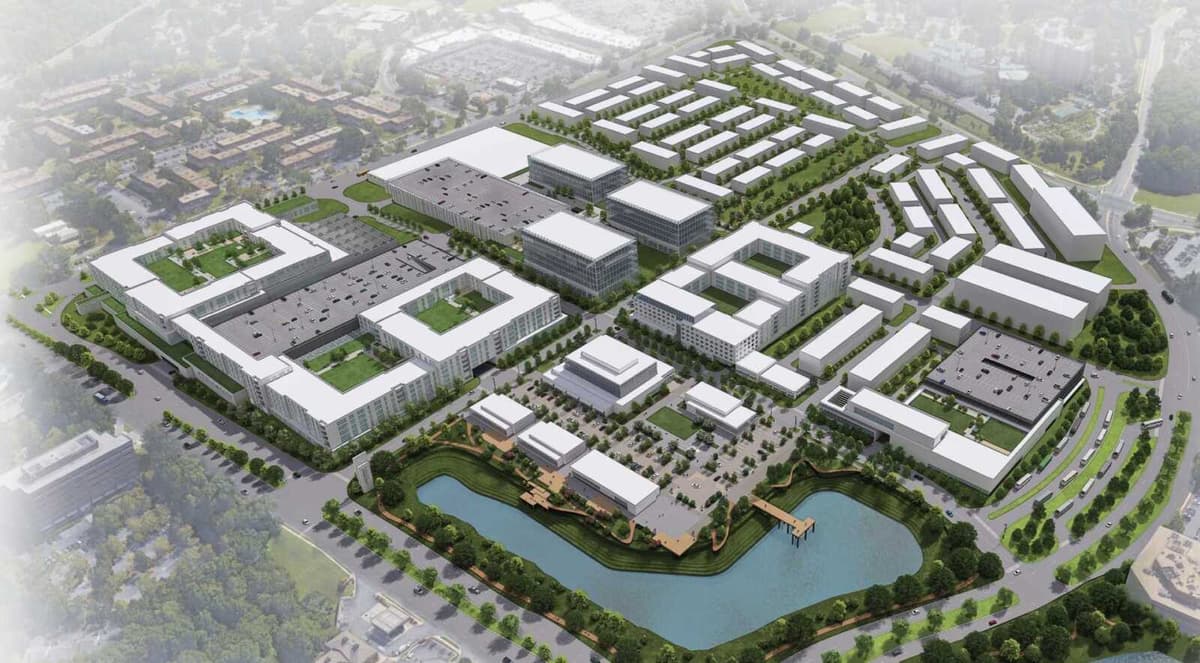
- •1,365 apartments and 180 senior units will anchor the mixed‑use development
- •154k sq ft of retail space spread across seven buildings with central park
- •Project aims to create a downtown‑style hub, boosting Metro Detroit economy
Pulse Analysis
The Lakeside City Center redevelopment marks a pivotal moment for Sterling Heights, as the city council’s tax‑incentive approval removes a major financing hurdle for Lionheart Capital’s $1.2 billion mixed‑use vision. By earmarking $573 million for Phase One, the plan covers demolition, water and sewer upgrades, and the construction of nine multifamily towers. The public‑finance tool, classified as a Combined Transformational Brownfield Plan, signals strong municipal support and aligns with broader trends of repurposing aging retail sites into vibrant, multi‑purpose districts.
Across the United States, developers are turning former malls into mixed‑use ecosystems that blend residential, retail, and public spaces. Projects like the $500 million South Charlotte development illustrate how such investments can catalyze regional growth, attract younger demographics, and diversify tax bases. Lakeside City Center’s 1,365 apartments, 180 senior units, and 154,000 sq ft of retail spread across seven buildings echo this formula, promising a walkable, downtown‑style environment anchored by a central park. The inclusion of senior housing addresses an aging population, while the retail mix aims to serve both local residents and commuters along the M‑59 corridor.
For Metro Detroit, the development could generate thousands of construction jobs and, once operational, sustain a steady stream of service and retail employment. The added housing inventory helps alleviate regional shortages, and the green spaces enhance livability, potentially attracting new businesses to the area. However, the project's reliance on public incentives underscores the importance of careful fiscal management. If successful, Lakeside City Center may become a blueprint for other Midwestern municipalities seeking to revitalize underutilized commercial parcels and stimulate long‑term economic growth.
$1.2bn Lakeside Mall Redevelopment Makes Headway as Sterling Heights Approves Tax Incentive Plans
Comments
Want to join the conversation?
Loading comments...