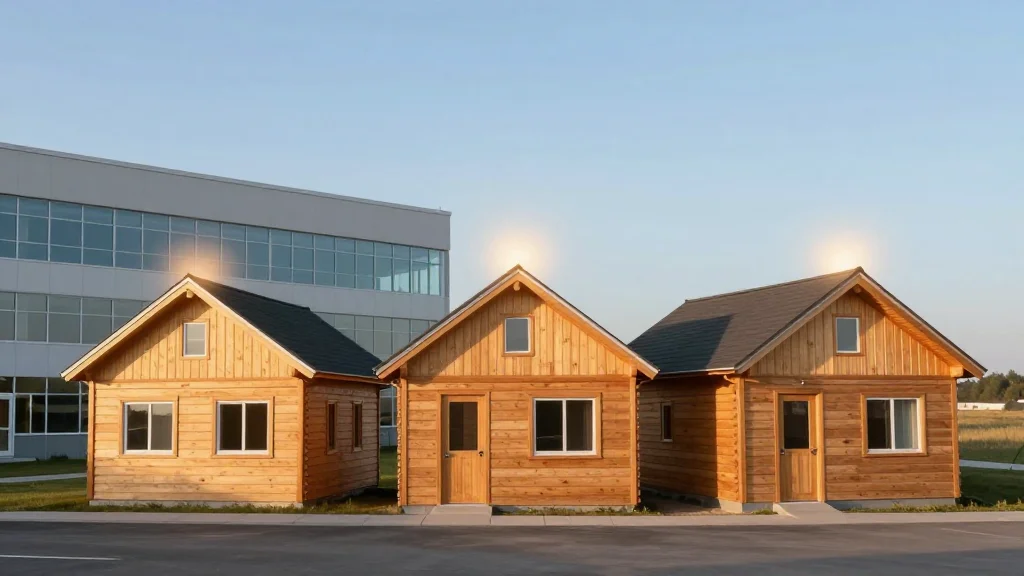
A South Dakota Hospital Is Funding a New Subdivision for Its Employees
Why It Matters
Workforce housing directly tackles rural healthcare staffing shortages, a critical barrier to patient access and hospital viability. The initiative could become a replicable model for other underserved regions facing similar recruitment challenges.
Key Takeaways
- •Fall River Health invests $2.3M in 48-unit workforce housing.
- •Hospital faces 10% staffing shortfall, 19 open positions.
- •New homes aim to retain and attract local healthcare workers.
- •First South Dakota employer to build permanent employee housing.
- •Regional trend: employers providing mobile homes for seasonal staff.
Pulse Analysis
Rural hospitals across the United States are wrestling with a persistent talent crunch, as limited local housing drives nurses, technicians and support staff to larger metros. The shortage not only inflates labor costs but also threatens service continuity for communities that rely on a single health system. Workforce housing—dedicated residences for employees—has emerged as a pragmatic response, blending real‑estate development with talent management to keep essential workers close to their jobs.
Fall River Health Services’ $2.3 million contribution to a $3.4 million subdivision represents a concrete commitment to this strategy. The 48-unit development, situated near the Hot Springs campus, will offer affordable rents calibrated to median local incomes, easing the financial strain that previously forced dozens of candidates to decline offers. By addressing the 10% staffing deficit head‑on, the hospital anticipates faster fill rates for its 19 current openings and a reduction in turnover, which can save millions in recruitment and training expenses over time.
If successful, the project could spark a wave of similar investments in other rural markets where hospitals serve as economic anchors. Policymakers may look to incentivize such collaborations through tax credits or low‑interest financing, recognizing that stable healthcare delivery hinges on more than clinical expertise—it also depends on the livability of the surrounding community. As the healthcare sector grapples with demographic shifts and heightened demand, workforce housing may become a cornerstone of sustainable rural health infrastructure.
A South Dakota hospital is funding a new subdivision for its employees
Comments
Want to join the conversation?
Loading comments...