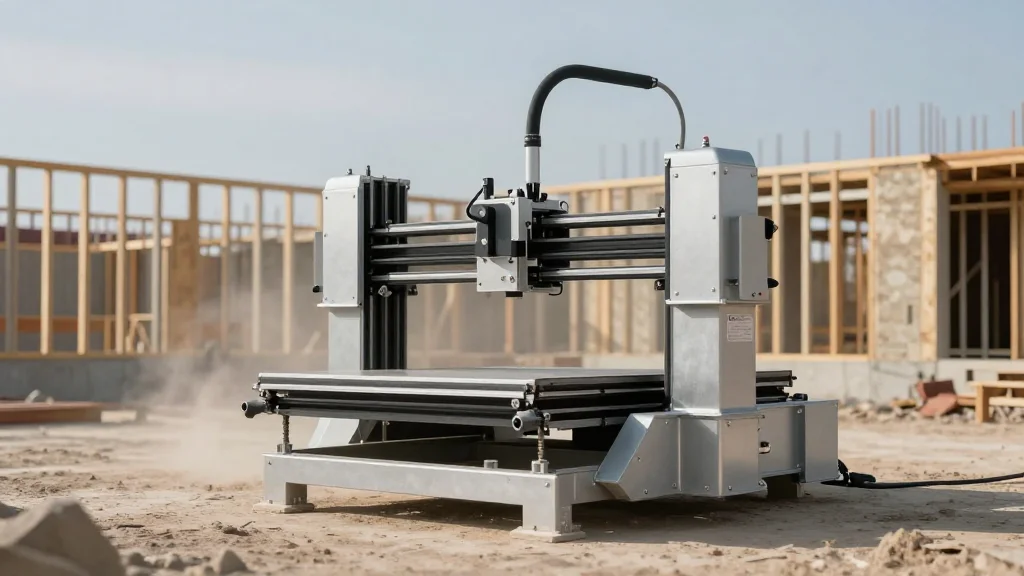
Abandoned 3D‑Printed Duplex Project Leaves $590K Deposit Unpaid in Rural Illinois

Companies Mentioned
Why It Matters
The failure of the Cairo 3D‑printing project highlights the risks of deploying cutting‑edge construction methods without robust oversight, especially in financially vulnerable communities. A lost $590,000 deposit and a stalled $1.1 million investment could deter other municipalities from embracing similar technologies, slowing progress on affordable‑housing initiatives that rely on rapid, low‑cost building solutions. Moreover, the FBI investigation underscores the need for transparency and accountability when public funds intersect with private innovation. If the probe uncovers misconduct, it could trigger stricter federal and state regulations for emerging construction firms, influencing how future projects are financed, vetted, and monitored. Conversely, a clean outcome might reassure investors that the technology’s challenges are technical rather than fraudulent, preserving momentum for 3D‑printed housing across the United States.
Key Takeaways
- •Prestige Project Management abandoned a $1.1 million 3D printer in Cairo, Illinois.
- •A $590,000 deposit was forfeited after the printer vanished.
- •The project aimed to build 30 duplexes but stalled after structural cracks appeared.
- •Mayor Thomas Simpson called the effort “just the beginning,” while Sen. Dale Fowler called it “extraordinary.”
- •The FBI has opened a white‑collar investigation; no charges have been filed yet.
Pulse Analysis
The Cairo debacle serves as a cautionary tale for the broader 3D‑printing construction sector. While the technology promises to slash labor costs and accelerate build times, the industry still grapples with material durability, quality‑control standards, and the ability to scale in real‑world conditions. The cracks that halted the duplex construction illustrate that the technology is not yet mature enough for mass deployment in environments lacking rigorous oversight.
Financially, the incident may tighten capital flows to startups that rely on public‑sector contracts. Lenders, especially community banks, will likely demand more stringent performance bonds and escrow arrangements to protect against similar losses. This could increase upfront costs for developers, eroding some of the cost‑advantage that 3D‑printing touts.
Politically, the episode could reshape how local governments approach innovation. Officials may become more hesitant to champion headline‑grabbing projects without clear risk mitigation strategies. Yet, the underlying housing shortage remains acute, and the demand for rapid, affordable construction solutions persists. The sector’s next breakthrough will depend on proving reliability at scale, securing transparent financing structures, and rebuilding trust with the communities it aims to serve.
Abandoned 3D‑Printed Duplex Project Leaves $590K Deposit Unpaid in Rural Illinois
Comments
Want to join the conversation?
Loading comments...