Adelaide’s $125 Weekly Rental Is Australia’s Only JobSeeker‑Affordable Home

Companies Mentioned
Why It Matters
The Adelaide case exposes a systemic failure: the majority of the rental market is priced beyond the reach of the nation’s lowest earners. When a single room becomes the only viable option for a JobSeeker recipient, it signals that existing safety nets and supply‑side interventions are insufficient. For policymakers, the data forces a reckoning on the adequacy of income support, the speed of social‑housing delivery, and the need for rent‑control mechanisms. For investors, the widening affordability gap creates both risk—higher vacancy rates in low‑rent segments—and opportunity, as demand for purpose‑built affordable units grows. If the government’s $10 billion housing program can deliver on its timeline, it could alleviate pressure on the most vulnerable renters and reduce reliance on emergency housing services. Conversely, continued under‑delivery will likely exacerbate homelessness, strain community services, and deepen socioeconomic inequality across Australia.
Key Takeaways
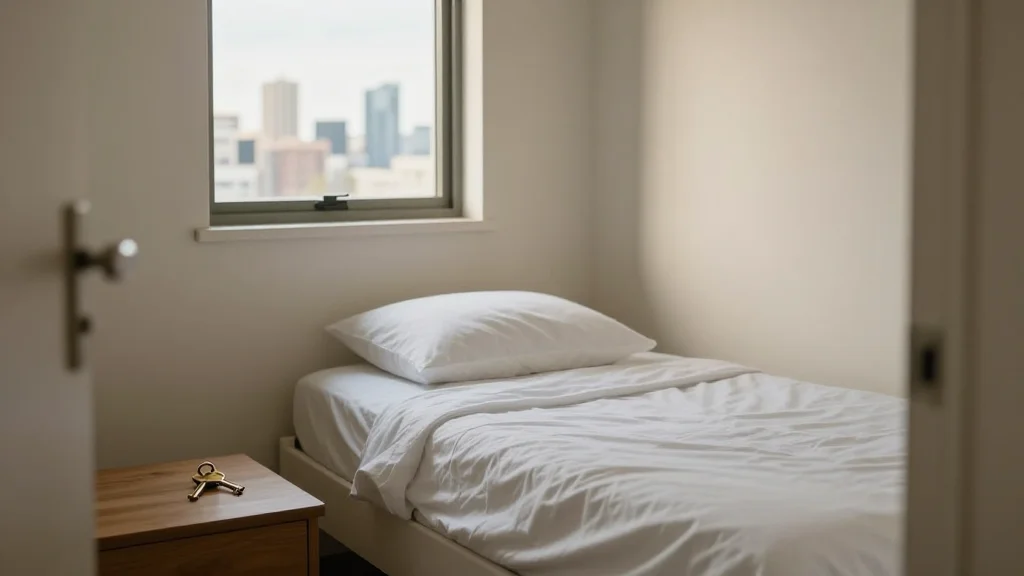
- •A 9.3 m² room in Adelaide rents for $125 per week, the only unit meeting the 30 % affordability rule for JobSeeker recipients.
- •Maximum sustainable rent for a JobSeeker recipient is $135.75 per week, based on a $817.50 fortnightly payment.
- •Anglicare’s 2026 report finds almost no other rentals nationwide are affordable for single JobSeeker earners.
- •Federal government pledged $10 billion to build 55,000 social and affordable homes by 2029, but has delivered just over 2 % of the target so far.
- •Anglicare calls for 10,000 new social‑housing units annually and a raise in JobSeeker payments to $80 per day.
Pulse Analysis
Australia’s rental market has been on an upward trajectory for more than a decade, driven by limited supply, population growth, and investor demand. The Adelaide unit’s price point is an anomaly because it is tied to a social‑housing arrangement that predates the current market dynamics. The broader trend shows that even modest rent increases quickly breach the 30 % affordability threshold for low‑income households, a metric widely used by international housing agencies.
The government’s $10 billion commitment, while sizable, is spread over a six‑year horizon and must contend with construction bottlenecks, land‑use regulations, and rising material costs. At the current pace—just over 2 % of the 55,000‑home target completed—the program risks becoming a symbolic gesture rather than a substantive solution. Accelerating delivery will likely require leveraging private‑sector partnerships, fast‑track planning approvals, and targeted subsidies for developers who commit to below‑market rents.
From an investment perspective, the affordability crisis creates a clear market signal: there is untapped demand for purpose‑built, low‑rent units. Developers who can navigate regulatory hurdles and secure government incentives may find a resilient revenue stream, especially as traditional rental yields compress in high‑price markets. However, any misalignment between policy intent and execution could leave investors exposed to policy risk, particularly if future administrations roll back rent‑control measures or alter subsidy structures. The next budget and housing‑policy reviews will be critical in shaping the risk‑return profile of affordable‑housing projects in Australia.
Adelaide’s $125 Weekly Rental Is Australia’s Only JobSeeker‑Affordable Home
Comments
Want to join the conversation?
Loading comments...