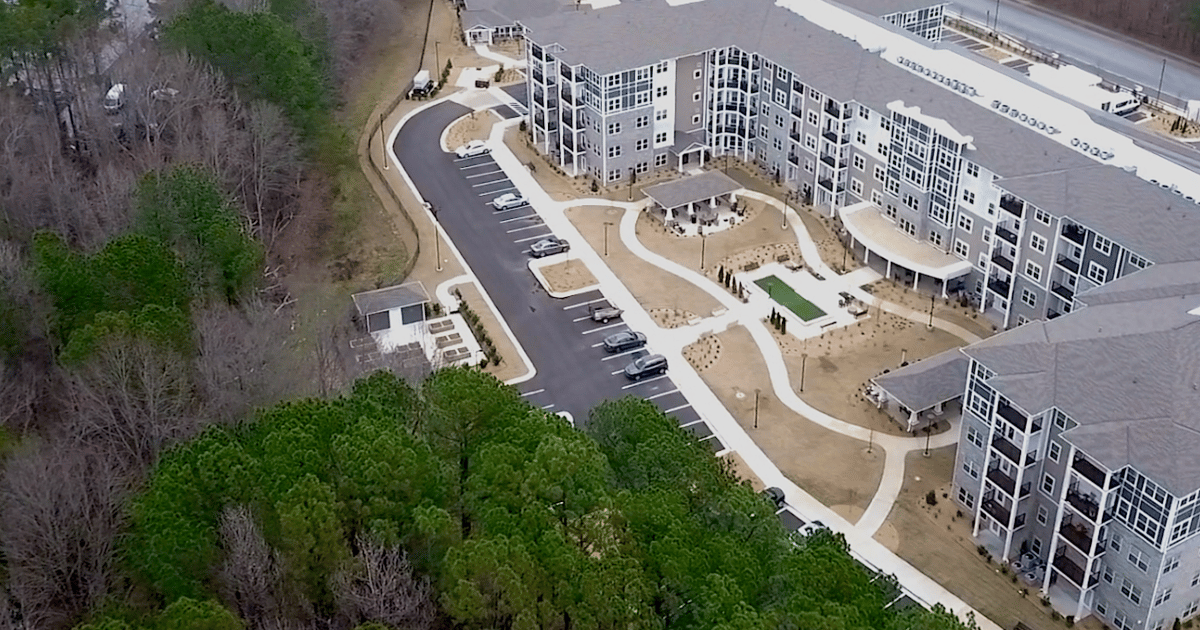
Affordable Housing Build Delivers Near Dead Mall Property
Why It Matters
The conversion turns a blighted, underused site into much‑needed affordable housing for low‑income seniors, while catalyzing broader neighborhood redevelopment. It demonstrates how LIHTC‑backed projects can revive dead‑mall corridors and stimulate local economies.
Key Takeaways
- •166 affordable units replace former parking lot near dead mall
- •Rents capped at 60% AMI, targeting seniors 55+
- •Project funded by federal Low‑Income Housing Tax Credits
- •Includes amenities: salon, theater, garden, gym, art center
- •Part of Union City’s broader Reimagine Park master plan
Pulse Analysis
Metro Atlanta is witnessing a wave of adaptive reuse projects that transform dormant commercial parcels into vibrant, affordable‑housing communities. Shannon Reserve exemplifies this trend, repurposing a weed‑choked parking lot beside the long‑vacant Union Station mall into a 166‑unit complex. Developed by national affordable‑housing specialist Dominium, the site combines a five‑story multifamily building with two cottage clusters, delivering one‑ to three‑bedroom units exclusively for households earning no more than 60 percent of the Area Median Income. By anchoring the development near Interstate 85, the project leverages regional connectivity while addressing a critical shortage of senior‑focused, low‑cost rentals.
Financing for Shannon Reserve hinges on the Low‑Income Housing Tax Credit (LIHTC) program, the nation’s primary tool for subsidizing affordable housing construction and preservation. In exchange for tax credits, developers commit to long‑term rent restrictions tied to AMI, ensuring affordability for residents whose annual incomes range between $34,600 and $48,000. The senior‑age eligibility—requiring at least one occupant to be 55 or older—targets a demographic often squeezed by rising rents. Beyond the units, the development offers a salon, theater room, community garden, gym, and an arts‑crafts center, enriching quality of life and fostering social cohesion among residents.
Shannon Reserve also dovetails with Union City’s larger Reimagine Park initiative, which envisions a mixed‑use greenspace, a 3,000‑seat amphitheater, and upgraded infrastructure on the former mall’s periphery. This synergy illustrates how affordable‑housing projects can act as catalysts for broader urban regeneration, attracting ancillary investment, improving public perception, and stimulating local commerce. As cities grapple with excess retail footprints and housing affordability crises, the Shannon Reserve model underscores the policy and market potential of converting dead‑mall sites into inclusive, community‑orientated neighborhoods.
Affordable housing build delivers near dead mall property
Comments
Want to join the conversation?
Loading comments...