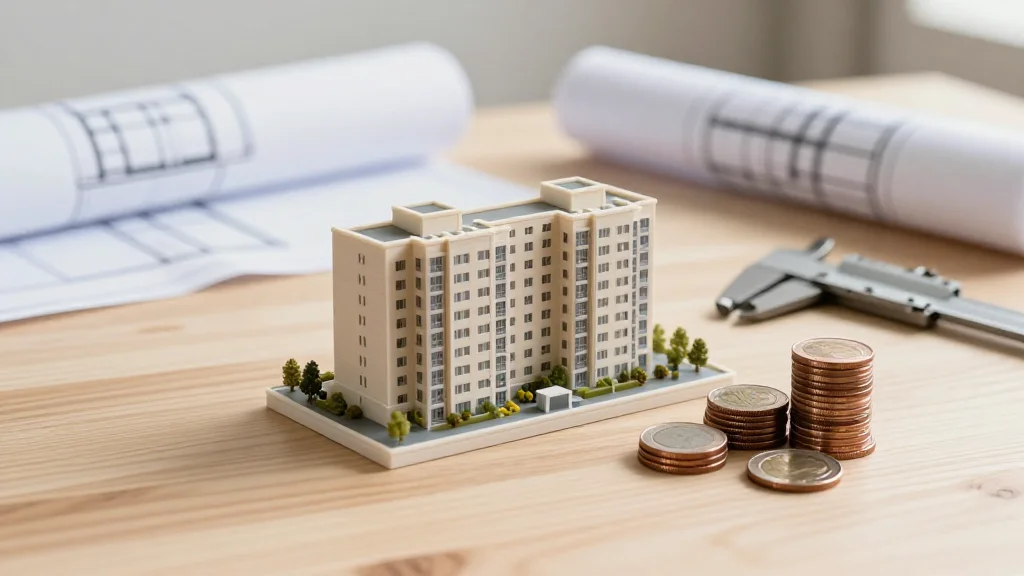
Affordable Housing Development Is Boosting Oklahoma’s Economy: Report
Why It Matters
The analysis shows that affordable‑housing subsidies can deliver strong returns, informing policymakers on allocating scarce resources while addressing a critical housing gap.
Key Takeaways
- •$800M economic output from 45 projects (2019‑2023).
- •Every tax‑credit dollar yields $3.40 in economic benefits.
- •4,000+ construction jobs created, 57 permanent positions.
- •Projected $1B impact in next decade surpasses $295M equity.
- •Affordable housing shortage: 85,000 units needed statewide.
Pulse Analysis
Oklahoma’s affordable‑housing crisis has deepened as construction costs and labor shortages push rents beyond reach for low‑income households. The Oklahoma Policy Institute estimates the state needs roughly 85,000 additional rental units to meet demand, a shortfall that threatens workforce stability and economic mobility. Public grants and tax‑credit programs have become essential tools for developers to bridge financing gaps, keeping rents affordable while stimulating local economies. Understanding the broader fiscal implications of these investments is crucial for state leaders confronting budget constraints.
The Urban Institute’s April 30 study quantifies the economic ripple effects of 45 multifamily projects completed between 2019 and 2023. Those developments produced more than $800 million in economic output, a multiplier of $3.40 for every dollar of tax‑credit equity injected. In addition to $276 million in construction‑phase labor income, the projects generated over 4,000 temporary jobs and 57 permanent positions in property management and services. Projected tax revenues of $126 million over ten years further illustrate how affordable‑housing initiatives can bolster state coffers while delivering social benefits.
For policymakers, the report offers a data‑driven case to expand low‑income housing incentives. Scaling tax‑credit allocations could accelerate progress toward the 85,000‑unit target, while the demonstrated return on investment suggests that each dollar spent yields multiple dollars in broader economic activity. As Oklahoma plans its next fiscal cycle, integrating affordable‑housing metrics into budgeting decisions can help balance social equity goals with fiscal responsibility, positioning the state to capture both immediate job growth and long‑term economic resilience.
Affordable housing development is boosting Oklahoma’s economy: report
Comments
Want to join the conversation?
Loading comments...