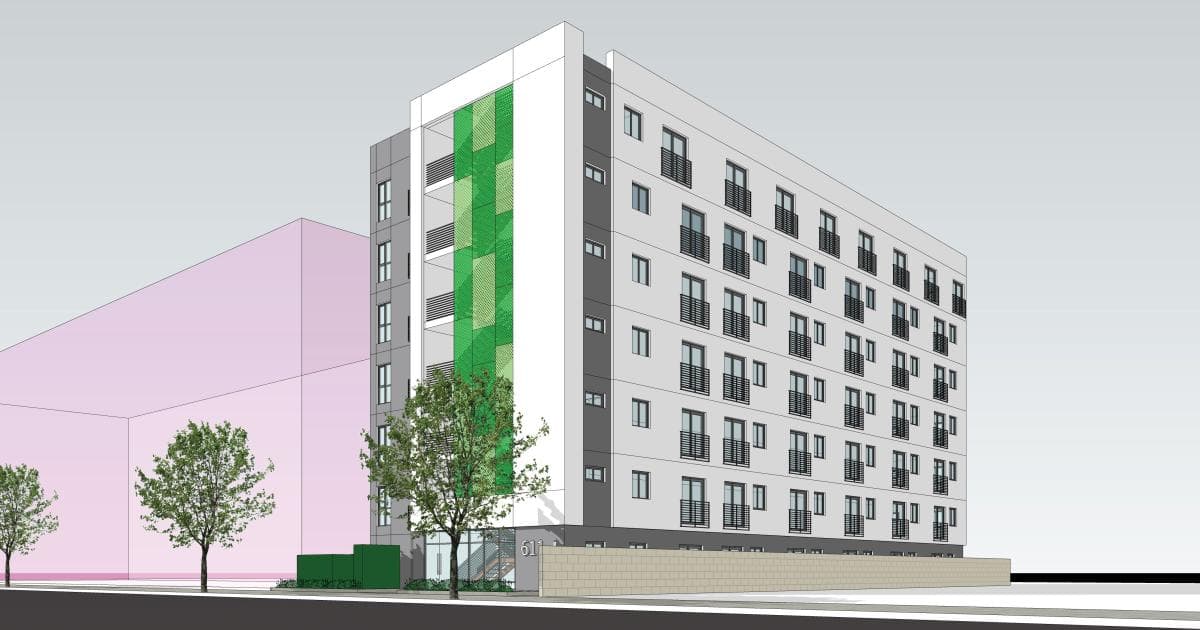
Affordable Housing Unwrapped at 611 S. Hobart Blvd. In Koreatown
Companies Mentioned
Why It Matters
The project adds much‑needed affordable units in a high‑density, transit‑rich corridor, helping LA meet its housing goals. It also illustrates how density bonuses can unlock higher‑impact developments when tax incentives fall short.
Key Takeaways
- •80 studio and one‑bedroom units in new 7‑story building
- •Project qualifies for density bonus as fully affordable housing
- •On‑site parking added due to proximity to transit
- •Developer Leo Lee shifts from hotel plan to mixed‑use residential
Pulse Analysis
Los Angeles continues to grapple with a chronic shortage of affordable housing, and city planners rely heavily on density‑bonus programs to coax developers into building more units than zoning would otherwise allow. By granting additional floor area in exchange for a commitment to keep rents below market rates, the state’s affordable‑housing statutes aim to increase supply without expanding the urban footprint. This policy tool has become especially valuable in dense neighborhoods like Koreatown, where land is scarce and construction costs are high.
The Hobart Boulevard project exemplifies how these incentives translate into tangible outcomes. EWAI’s contemporary podium design, clad in white stucco, houses 80 studio and one‑bedroom apartments across seven stories, a scale made possible by the density bonus. Its location, sandwiched between Wilshire and 6th Street, sits within walking distance of multiple bus lines and the Metro, prompting the inclusion of on‑site parking to accommodate residents who still rely on cars for part of their commute. By converting a former preschool site into a purpose‑built affordable complex, the development directly addresses the city’s goal of adding roughly 20,000 new affordable units by 2025.
Beyond the immediate housing impact, the project signals a broader shift in development strategy. Leo Lee’s earlier plan for a 192‑room Hyatt Centric hotel fell through after the city declined tax incentives, prompting a pivot to a mixed‑use, fully affordable model. This reflects a growing recognition among developers that aligning projects with public‑policy incentives—such as density bonuses and transit‑oriented design—can mitigate financial risk while delivering community benefits. As more municipalities adopt similar frameworks, we can expect a steady stream of affordable‑housing projects that leverage policy levers to meet escalating demand.
Affordable housing unwrapped at 611 S. Hobart Blvd. in Koreatown
Comments
Want to join the conversation?
Loading comments...