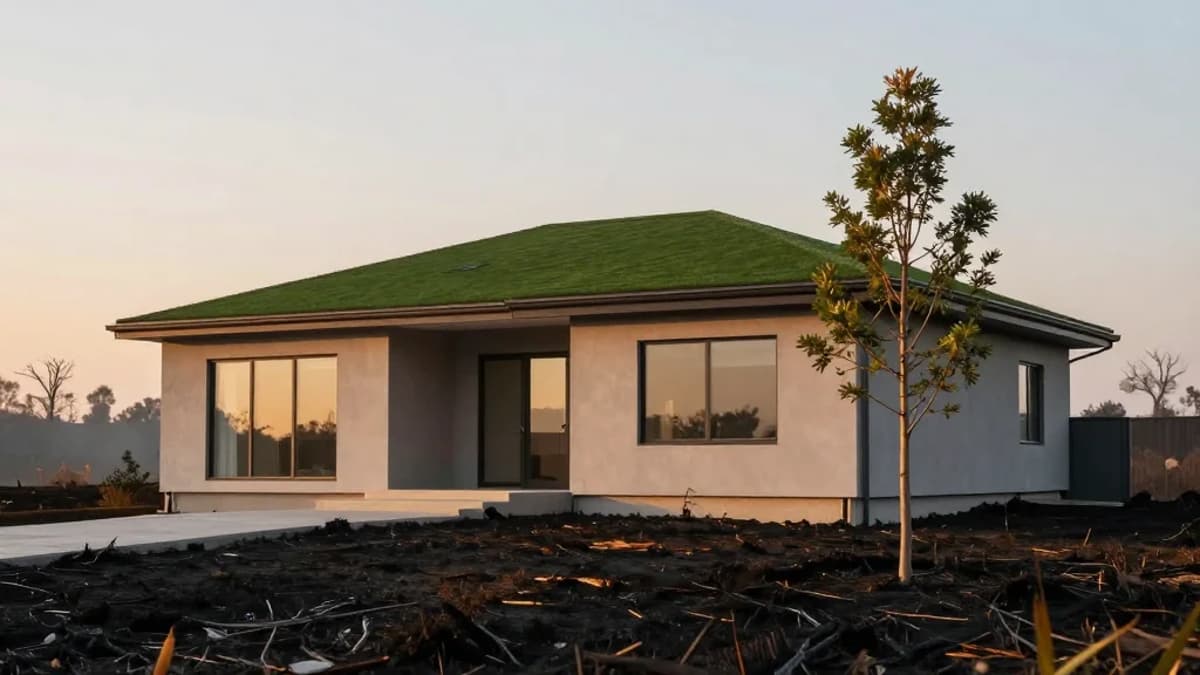
After the Fires: A Path Forward for Altadena
•March 9, 2026
0
Why It Matters
The recovery effort determines whether Altadena can retain its historic Black population and avoid a wave of displacement that would reshape the region’s socioeconomic fabric.
Key Takeaways
- •Altadena fire displaced many Black homeowners
- •Insurance covers <30% of rebuilding costs
- •Project Recovery plan outlines coordinated rebuilding actions
- •Zoning changes force conditional-use permits for reconstruction
Pulse Analysis
The Altadena wildfire exposed deep inequities in disaster recovery, especially for historically Black neighborhoods. While insurance settlements cover a fraction of rebuilding expenses, many families must rely on limited settlement funds and municipal aid. This financial gap has spurred a coalition of architects, developers, and academic institutions to produce the Project Recovery plan, which maps short‑term infrastructure fixes and long‑term affordable‑housing strategies. By integrating community input, the plan aims to streamline permitting, restore essential services, and protect cultural landmarks.
Zoning shifts that reclassified residential blocks to commercial use have added another layer of complexity. Homeowners now confront conditional‑use applications, extending timelines and increasing costs. Design professionals from SoCal NOMA are leveraging their expertise to navigate these regulatory hurdles, offering pro‑bono services that connect residents with legal and planning resources. Their involvement underscores a broader industry trend: embedding equity considerations into the rebuilding process to prevent gentrification and preserve neighborhood identity.
Long‑term, Altadena’s fate hinges on coordinated public‑private investment and policy interventions that address both physical reconstruction and demographic stability. Studies from UCLA reveal that Black homeowners already faced higher cost burdens before the fire, and the disaster threatens to accelerate their out‑migration. Targeted funding, affordable‑home preservation, and inclusive zoning reforms are essential to maintain the city’s diverse fabric. As stakeholders refine the recovery roadmap, the focus remains on turning trauma into resilient, community‑driven growth.
After the Fires: A Path Forward for Altadena
0
Comments
Want to join the conversation?
Loading comments...