Ajman March Real Estate Deals Hit AED 1.66 Bn ($452 M), Signaling Market Strength

Why It Matters
Ajman's March transaction surge demonstrates that smaller emirates can sustain growth even when larger markets face headwinds, offering investors alternative hotspots within the UAE. The concurrent announcement of a multi‑billion‑dollar highway underscores how infrastructure can amplify real‑estate demand, potentially reshaping price dynamics and development patterns across the region. If the new corridor delivers on its promise of faster inter‑emirate travel, Ajman's proximity to Dubai and Sharjah could attract price‑sensitive buyers and logistics firms, driving up land values and prompting new mixed‑use projects. Conversely, delayed construction or cost overruns could temper expectations, highlighting the delicate balance between policy‑driven infrastructure and market sentiment.
Key Takeaways
- •938 property transactions recorded in Ajman for March 2026.
- •Total sales value reached AED 1.66 bn ($452 m).
- •Al Amerah posted the highest single‑sale at AED 185 m ($50 m).
- •168 mortgage deals totaled AED 305 m ($83 m).
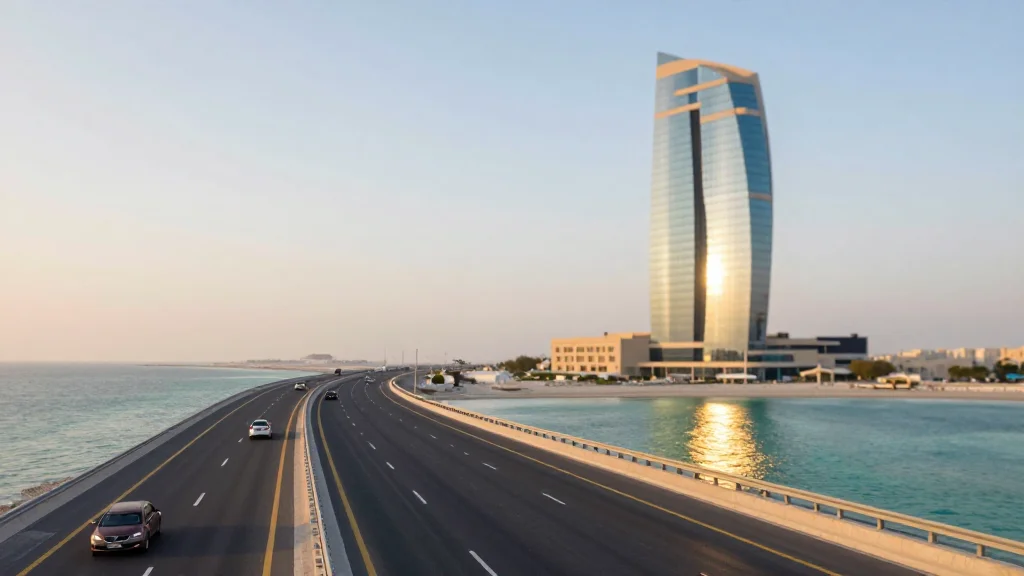
- •UAE approved a AED 6 bn ($1.63 bn) highway linking Dubai, Sharjah and Ajman.
Pulse Analysis
Ajman's March performance is a micro‑cosm of a broader shift in the Gulf's real‑estate ecosystem, where secondary markets are leveraging niche strengths—affordable pricing, strategic location, and government‑backed infrastructure—to attract capital. The emirate's ability to close nearly a thousand deals in a single month suggests a healthy pipeline of both end‑user buyers and speculative investors, a contrast to Dubai's recent price corrections.
The highway project is more than a transport upgrade; it is a catalyst that could reconfigure Ajman's development hierarchy. Historically, major road arteries in the UAE have unlocked peripheral land for high‑density, mixed‑use schemes, as seen with the E311 corridor. By slashing travel times between Ajman and the economic hubs of Dubai and Sharjah, the new route may compress the perceived distance premium, encouraging developers to target mid‑range residential projects that cater to commuters.
However, the upside is not guaranteed. Real‑estate cycles are sensitive to financing conditions, and the UAE's monetary policy remains cautious amid global rate hikes. Mortgage volumes in March were modest relative to sales, hinting that buyer financing may still be constrained. Moreover, the highway’s execution risk—common in large‑scale public works—could delay the anticipated demand surge. Stakeholders should therefore watch construction milestones, financing trends, and policy signals closely, as these variables will determine whether Ajman's market momentum translates into sustained growth or a short‑lived spike.
Ajman March Real Estate Deals Hit AED 1.66 bn ($452 m), Signaling Market Strength
Comments
Want to join the conversation?
Loading comments...