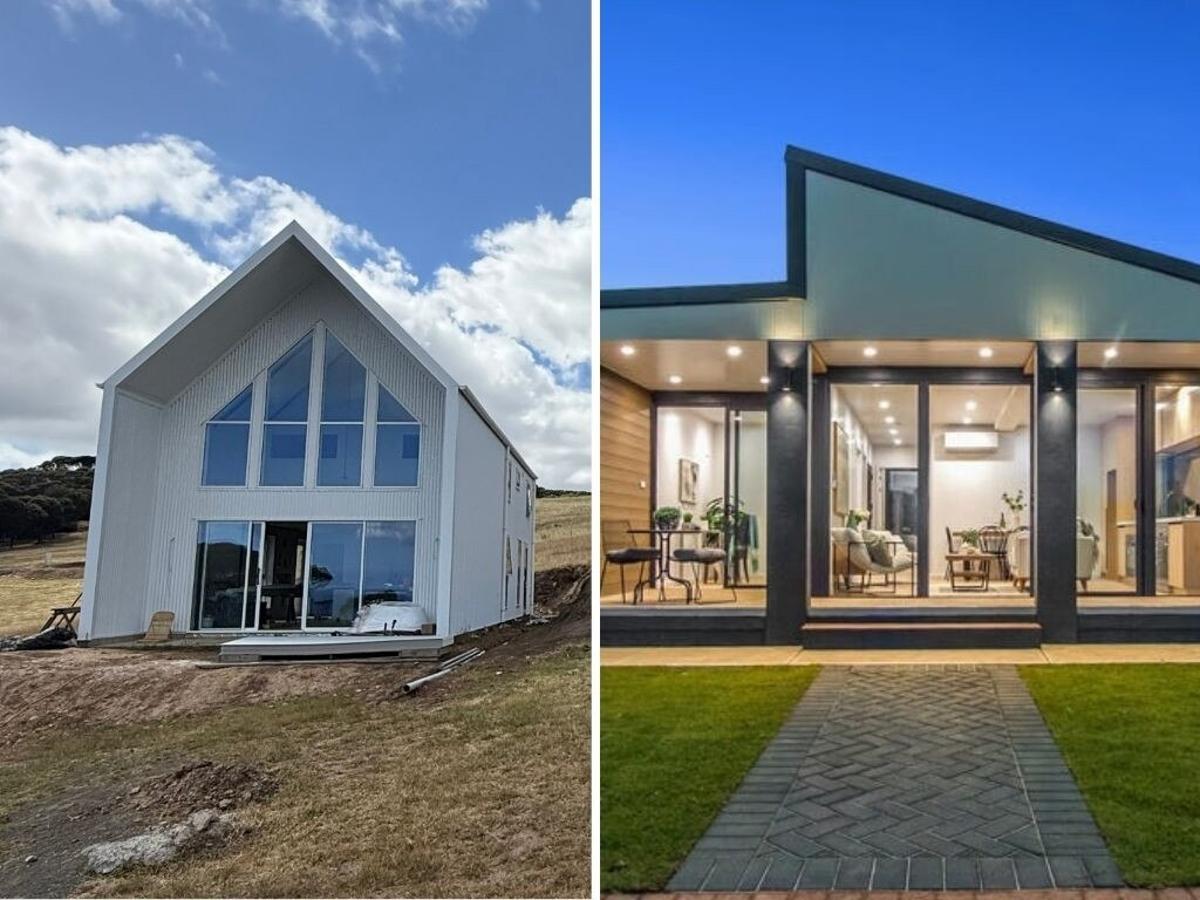
Alternative Housing Options Vital to Tackle Worsening Affordability
Why It Matters
Alternative construction provides a scalable solution to Australia’s housing shortage, potentially easing price pressure for first‑time buyers and reducing reliance on a strained labour market. Policymakers and investors must consider these models to address long‑term affordability and regional growth.
Key Takeaways
- •Flat‑pack homes can be built in 4‑8 weeks
- •Costs 20% lower than traditional construction
- •Prices range $34k‑$96k USD (AUD $52k‑$145k)
- •Modular units under $200k USD (AUD $300k)
- •Labour shortages drive construction cost spikes
Pulse Analysis
The Australian housing market is confronting an affordability cliff, with median home prices soaring amid persistent labour deficits and volatile material costs. Traditional on‑site construction now faces capacity constraints that inflate timelines and budgets, leaving many prospective owners priced out. This macro‑economic pressure has accelerated interest in prefabricated solutions that bypass the bottlenecks of a strained trades workforce, offering a pragmatic path to increase supply without sacrificing quality.
Flat‑pack and modular homes, exemplified by Shed House Australia’s shed‑frame kits and BoxMod’s factory‑built units, deliver compelling value propositions. Their components arrive pre‑engineered, allowing owners or local crews to assemble dwellings in weeks rather than months, and at roughly 20% lower cost than conventional builds. With price points translating to about $34,000‑$96,000 USD for kit homes and under $200,000 USD for modular houses, these options present viable entry points for first‑time buyers and regional families seeking affordable, high‑quality living spaces.
For policymakers, the rise of alternative housing underscores the need to adapt building codes, financing structures, and land‑use planning to accommodate non‑traditional formats. Scaling these models could alleviate pressure on urban markets, stimulate regional development, and create new supply chains that are less vulnerable to global disruptions. Investors watching the sector should monitor regulatory shifts and consumer adoption trends, as the convergence of cost efficiency, speed, and sustainability positions prefabricated housing to become a cornerstone of Australia’s long‑term affordability strategy.
Alternative housing options vital to tackle worsening affordability
Comments
Want to join the conversation?
Loading comments...