Apple Cinemas Cancels $200K Riverview Plaza Theater Renovation Amid Property Dispute

Companies Mentioned
Why It Matters
The cancellation underscores how property‑condition issues can derail high‑profile commercial‑real‑estate projects, especially in legacy buildings where hidden defects like mold are common. For Philadelphia, the loss of a potential IMAX venue removes a unique draw for both moviegoers and ancillary retail activity, potentially slowing the broader revitalization of the South Philly corridor. The episode also highlights the importance of robust landlord delivery clauses and contingency planning. Tenants investing significant capital in permitting and design must ensure that landlords meet remediation obligations on schedule, or risk sunk costs and delayed market entry. Investors and developers will likely scrutinize lease structures more closely after this high‑visibility fallout.
Key Takeaways
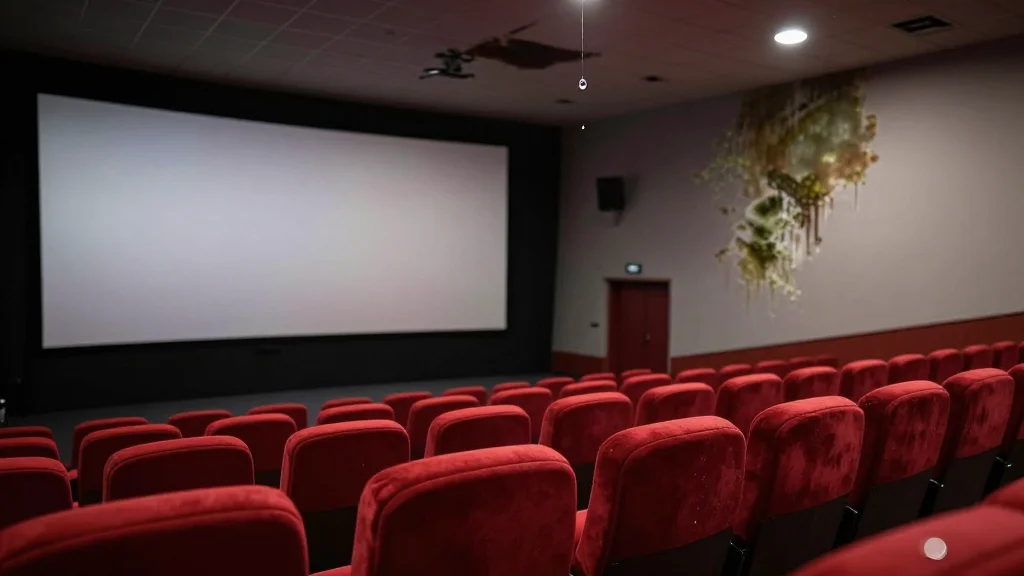
- •Apple Cinemas aborts $200,000 renovation of Riverview Plaza theater after landlord fails to remediate mold.
- •Co‑founder Siva Shan cites water‑leak‑induced mold and lack of communication from owner Bart Blatstein.
- •The 77,000‑sq‑ft former Regal United Artists multiplex would have been Philadelphia's only IMAX screen.
- •Property originally built in the late 1980s, sold to Cedar Realty Trust in 2003, and repurchased by Blatstein in 2022.
- •Apple Cinemas plans to seek another Philadelphia site, emphasizing rapid turnaround on future projects.
Pulse Analysis
Apple Cinemas’ withdrawal from the Riverview Plaza project is emblematic of a broader risk premium that investors are now attaching to legacy commercial assets. The theater’s age and the hidden water‑damage issue are classic red flags that, when combined with a landlord who appears unwilling or unable to meet remediation deadlines, can transform a promising venture into a costly dead‑end. In markets like Philadelphia, where supply of premium entertainment venues is limited, the loss of a potential IMAX location not only hurts a single operator but also reduces the city’s cultural cachet and ancillary economic activity.
From a strategic perspective, Apple Cinemas’ decision to cut its losses after a $200,000 outlay reflects a disciplined capital‑allocation mindset. The chain’s willingness to walk away rather than continue pouring money into an uncertain timeline signals to landlords that lease delivery performance will be a make‑or‑break factor in future negotiations. This could prompt property owners to invest proactively in building audits and remediation before signing new tenants, especially for high‑visibility projects that rely on unique amenities like IMAX.
Looking ahead, the episode may accelerate consolidation among smaller cinema operators seeking to avoid similar pitfalls. Larger chains with deeper balance sheets might acquire distressed assets, but they will likely demand stricter delivery guarantees and possibly escrow arrangements to protect against unforeseen repair costs. For Philadelphia’s broader real‑estate ecosystem, the incident serves as a reminder that even well‑intentioned redevelopment plans must be underpinned by solid due‑diligence and enforceable lease terms to unlock the full economic potential of historic properties.
Apple Cinemas Cancels $200K Riverview Plaza Theater Renovation Amid Property Dispute
Comments
Want to join the conversation?
Loading comments...