As Development Boom Comes For Little Haiti And Little River, Pressure Builds To Prevent Displacement
Why It Matters
The projects could reshape Miami’s affordable‑housing landscape, delivering economic growth while risking gentrification‑driven displacement if safeguards fail.
Key Takeaways
- •Magic City Innovation District adds $2.6 B, 8.5 M SF mixed‑use space.
- •Developers pledge $31 M to Little Haiti Revitalization Trust over 30 years.
- •SG Holdings' $3 B project reserves 25% construction jobs for low‑income residents.
- •Retail anchor includes Home Depot, BJ’s, plus $35.4 M Tri‑Rail station.
Pulse Analysis
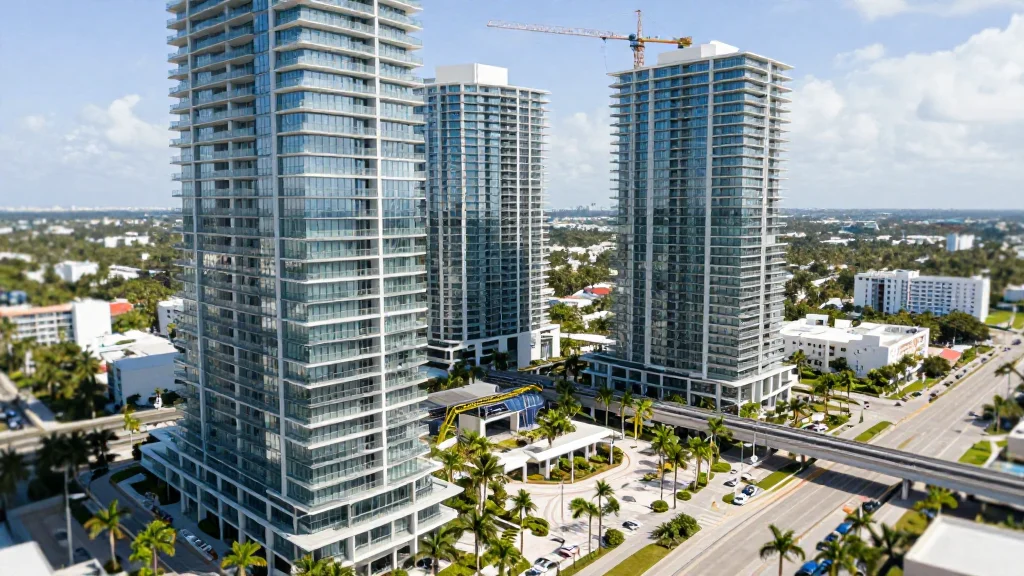
Miami’s Little Haiti and Little River are at the epicenter of a development surge that could redefine the city’s urban fabric. The $2.6 billion Magic City Innovation District, approved in 2019, will introduce eight residential towers, seven office buildings, a 430‑room hotel and over 340,000 sq ft of retail. By earmarking $31 million for the Little Haiti Revitalization Trust, developers aim to fund small‑business grants, home‑rehab programs, and scholarships, attempting to balance high‑end growth with community investment. This approach reflects a broader trend where large‑scale projects incorporate equity provisions to mitigate backlash and secure political support.
In Little River, SG Holdings’ $3 billion mixed‑use district promises 5,700 new apartments across a 63‑acre site, anchored by Home Depot and BJ’s Wholesale Club, and complemented by a $35.4 million Tri‑Rail station that will improve regional connectivity. Crucially, the deal obligates developers to reserve 25% of construction jobs for existing low‑income residents and allocate 30% of sub‑contracts to minority‑ and women‑owned firms. These labor‑market commitments are designed to create pathways for economic mobility, ensuring that the influx of capital translates into tangible benefits for the current population.
The stakes are high: Little Haiti and Little River remain among Miami’s few affordable enclaves, with one‑bedroom rents of $1,700 and $1,525 respectively—well below the citywide average of $2,558. While the promised amenities and infrastructure upgrades could elevate quality of life, the risk of displacement looms if affordability measures fall short. Stakeholders—city officials, developers, and community groups—must monitor the implementation of trust‑funded programs and workforce quotas to ensure that growth does not come at the expense of the neighborhoods’ cultural heritage and resident stability.
As Development Boom Comes For Little Haiti And Little River, Pressure Builds To Prevent Displacement
Comments
Want to join the conversation?
Loading comments...