At Serenbe's Doorstep, Unaffiliated 'Food-First' Project Breaks Ground
Companies Mentioned
Why It Matters
Ceres signals a growing appetite for upscale, wellness‑oriented neighborhoods that blend high‑end living with immediate access to fresh food, potentially reshaping suburban real‑estate demand in the Southeast.
Key Takeaways
- •$103M Ceres project breaks ground on 94‑acre Atlanta suburb.
- •70% of land must remain natural per zoning requirements.
- •Homes priced $900K to over $3M emphasize luxury food‑first lifestyle.
- •Development includes 75 homes, 40 condos, 50k sq ft commercial space.
- •First residents expected late 2027, phase‑two hospitality 2028.
Pulse Analysis
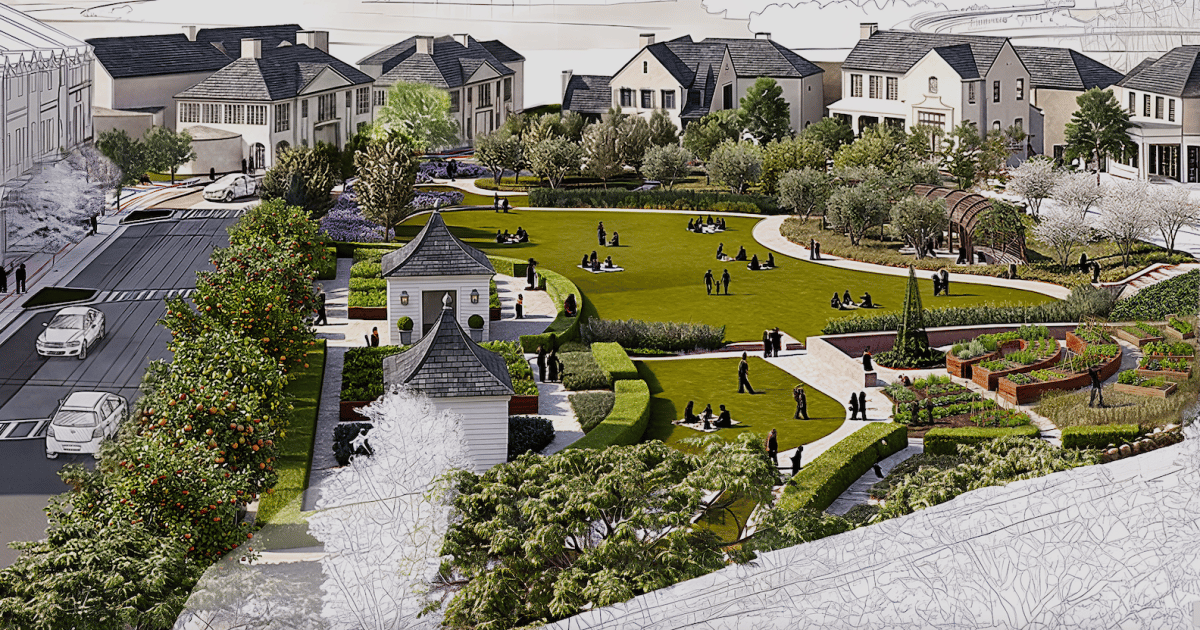
Ceres represents a bold evolution in suburban development, marrying high‑end residential design with a culinary‑centric lifestyle. Situated just 30 minutes from Hartsfield‑Jackson, the 94‑acre parcel leverages its proximity to the acclaimed Serenbe enclave while remaining unaffiliated. By preserving 70% of the site as natural woodland, the developers align with growing consumer expectations for sustainability and outdoor recreation, creating a "jewel box" that promises both privacy and community. The inclusion of orchards, a chef incubator, and a cookery school differentiates Ceres from conventional master‑planned communities, positioning it as a destination for food‑savvy, wellness‑focused buyers.
The project taps into a broader national trend toward "food‑first" towns, echoing the UK’s Malton model where gastronomy drives economic growth. Luxury pricing—starting at $900,000 and topping $3 million—targets affluent professionals seeking a curated environment without the responsibilities of farm ownership. Amenities such as pickleball courts, walking trails, and a boutique inn cater to a demographic that values health, experiential living, and social connectivity. By integrating 50,000 sq ft of commercial space, Ceres also creates a micro‑economy that can attract boutique retailers, farm‑to‑table restaurants, and wellness services, reinforcing its self‑sustaining ethos.
For developers, Ceres offers a template for future mixed‑use projects that prioritize ecological stewardship and culinary culture. The zoning requirement to retain most of the land may set a precedent for municipalities aiming to balance growth with conservation. However, the high price points and niche positioning could limit market breadth, making success contingent on sustained demand for premium, experience‑driven housing. If Ceres achieves its projected occupancy by 2027, it could spur similar upscale, food‑centric developments across the Sun Belt, reshaping how suburban spaces are marketed and built.
At Serenbe's doorstep, unaffiliated 'food-first' project breaks ground
Comments
Want to join the conversation?
Loading comments...