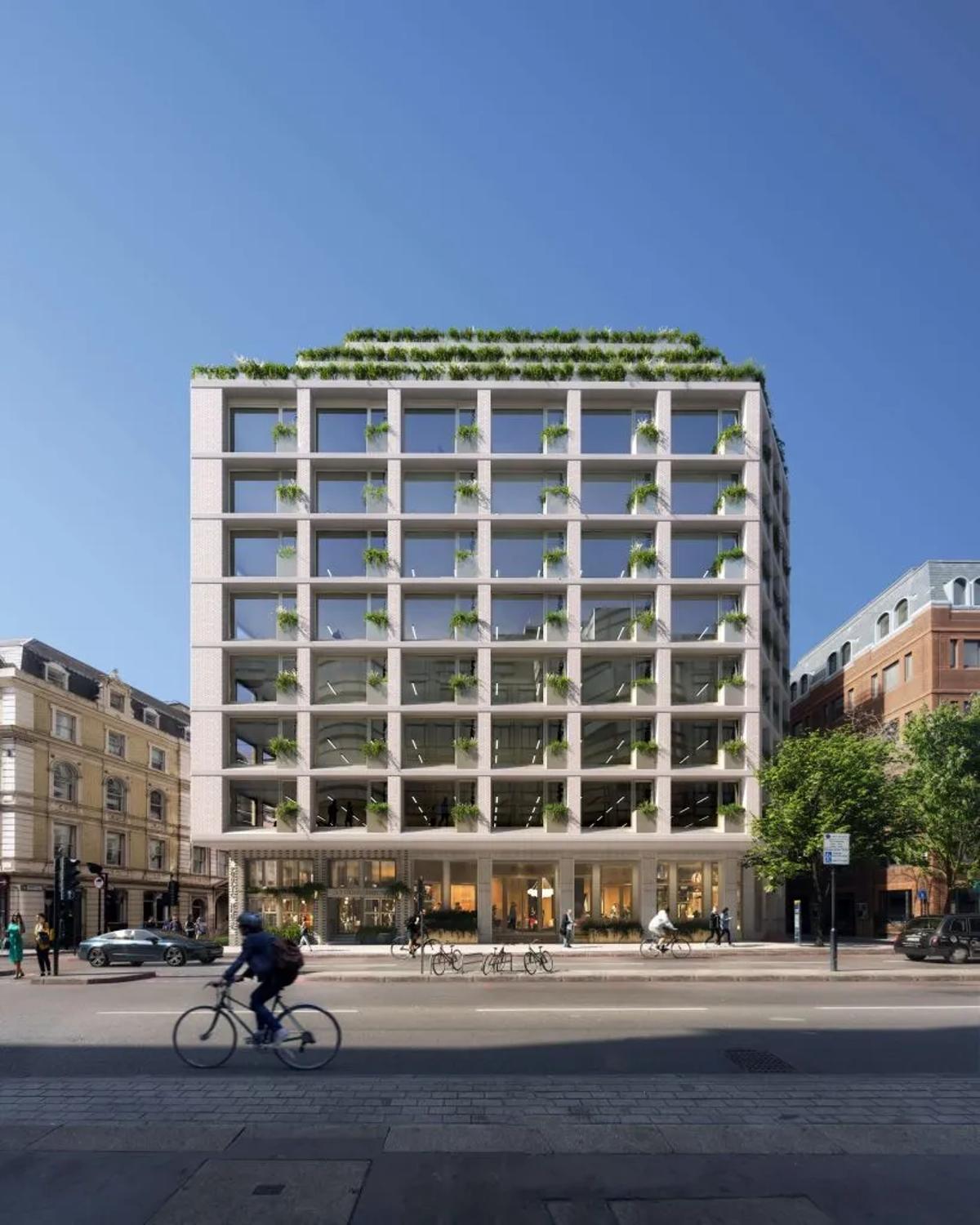
Atenor Secures Planning Permission for Retrofit of 10 New Bridge Street Offices
•February 25, 2026
0
Why It Matters
The approval showcases that large‑scale, low‑carbon refurbishments can remain financially viable in a tight office market, setting a benchmark for sustainable development in the Square Mile.
Key Takeaways
- •Retain 73% of existing structure
- •Add ninth floor with 1,744 sq ft terrace
- •Target BREEAM Outstanding rating
- •Public roof garden accessible after hours
- •Lichfields advises low‑carbon retrofit
Pulse Analysis
London’s office market is under pressure from rising vacancy rates and ESG expectations, prompting owners to look beyond new builds. Deep‑retrofit projects like Atenor’s 10 New Bridge Street illustrate how existing assets can be upgraded to meet modern performance standards without the cost and disruption of demolition. By preserving the majority of the 1960s shell, the development reduces embodied carbon while delivering additional floor space, a trend that aligns with city‑wide climate commitments.
The approved design adds a ninth floor and a 1,744 sq ft roof terrace that will be publicly accessible after office hours, offering panoramic views of iconic landmarks. Ground‑level enhancements include a refurbished public house, a pocket park, and an art installation, all intended to enrich the street‑level experience. Targeting a BREEAM Outstanding rating, the scheme emphasizes a fabric‑first strategy, integrating high‑performance insulation, efficient glazing, and renewable energy systems to lower operational emissions.
Atenor’s success, supported by Lichfields, signals a shift toward scalable, low‑carbon refurbishment as a viable path for developers seeking to balance profitability with sustainability. The project provides a template for other Square Mile assets, demonstrating that heritage sensitivity and public realm improvements can coexist with ambitious environmental goals. Investors are likely to view such retrofits favorably, as they combine regulatory compliance, tenant appeal, and long‑term asset resilience, reinforcing the financial case for green upgrades across legacy office portfolios.
Atenor secures planning permission for retrofit of 10 New Bridge Street offices
0
Comments
Want to join the conversation?
Loading comments...