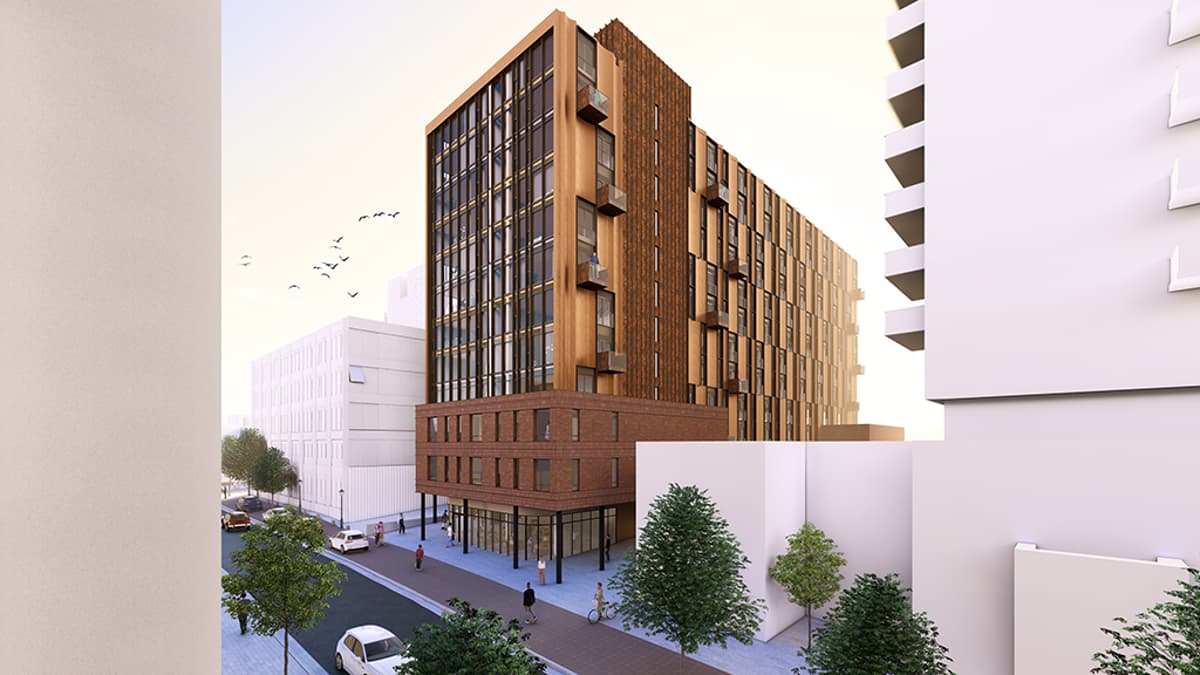
Atlantic Canada’s First Tall Mass Timber Tower? Dartmouth Study Compares Mass Timber Vs. Concrete
Why It Matters
The analysis highlights how mass timber can accelerate delivery and lower carbon emissions, offering a competitive alternative to concrete in tight‑site, high‑density markets.
Key Takeaways
- •Mass timber costs 8.39% more than concrete for 12‑storey tower.
- •Construction schedule could be 4‑6 months faster with timber.
- •Builder’s‑risk insurance premiums up to $750k for timber designs.
- •Potential $50/month rent premium may offset timber’s higher upfront cost.
- •Zoning change and federal grants could make tall timber towers viable.
Pulse Analysis
Mass timber is rapidly emerging as a viable high‑rise material, especially in regions like Atlantic Canada where construction labor costs and environmental regulations are tightening. The Dartmouth study provides a data‑driven look at a 12‑storey rental building, showing that while initial material costs exceed concrete by roughly 8%, the speed of assembly and lighter foundation requirements can compress the overall project timeline. Faster delivery not only reduces financing costs but also aligns with developers’ desire to meet growing housing demand without prolonged site disruption.
Financially, the timber option presents a nuanced trade‑off. Builder’s‑risk insurance premiums are notably higher—up to $750,000 versus $475,000 for concrete—reflecting perceived risk in newer construction methods. However, the study notes that a modest $50‑per‑month rent premium for exposed‑timber units could offset the upfront cost differential, especially if zoning amendments allow the full 12‑storey height. Federal grant programs targeting prefabricated, low‑carbon building components could further narrow the gap, making the timber approach more attractive to investors seeking both returns and sustainability credentials.
From a strategic perspective, the project serves as a pilot for broader adoption of mass timber in dense, infill neighborhoods across the Maritimes. Its lower embodied carbon aligns with provincial decarbonisation targets, while off‑site prefabrication reduces on‑site noise, waste, and construction‑related emissions. If the Dartmouth tower proceeds, it could catalyse a shift toward taller timber structures, prompting architects, engineers, and insurers to refine standards and risk models, ultimately reshaping the regional construction landscape.
Atlantic Canada’s first tall mass timber tower? Dartmouth study compares mass timber vs. concrete
Comments
Want to join the conversation?
Loading comments...