Before SoHo, This Building Was at the Heart of New York’s Arts District
Why It Matters
The project illustrates Manhattan’s shift toward repurposing cultural landmarks for high‑end residential use, reshaping the city’s arts heritage while meeting premium housing demand. It signals a market appetite for boutique luxury that balances historic character with modern affluence.
Key Takeaways
- •Parc Beaufort converts early‑20th‑century artist co‑op into luxury condos
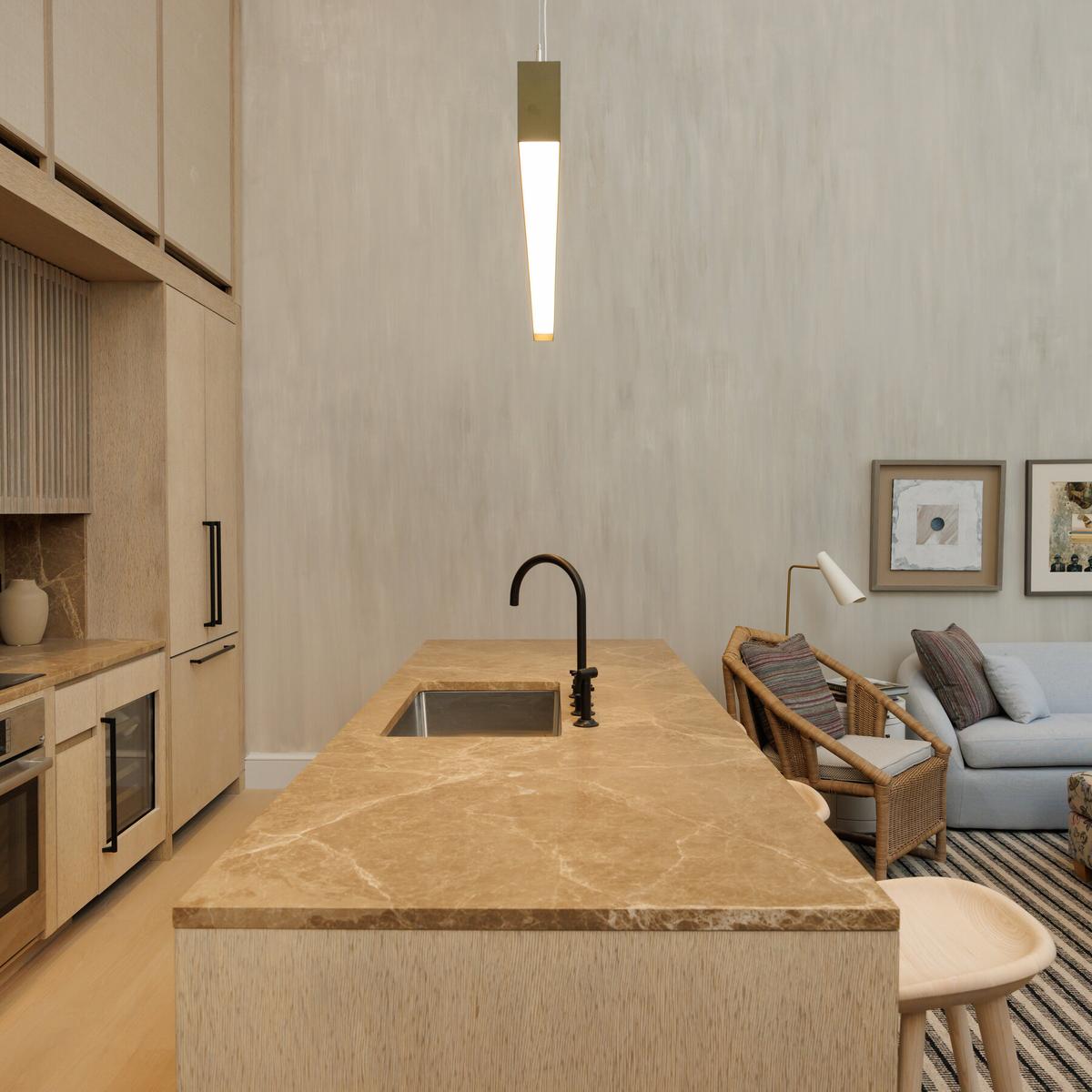
- •Designer Stephen Sills staged a fictional art‑buyer lifestyle in model unit
- •14‑story beige brick landmark offers boutique feel amid glass towers
- •Units are smaller and priced below typical ultra‑luxury Manhattan condos
Pulse Analysis
New York’s early‑20th‑century artist cooperatives were more than residences; they were incubators for the city’s burgeoning creative scene. Buildings like the original Beaufort provided north‑facing, double‑height studios with 16‑foot bay windows that flooded workspaces with the soft, consistent light painters prized. Over time, many of these structures fell into disuse or were converted to office space, erasing a tangible link to the city’s cultural past. The current redevelopment revives that legacy, preserving the limestone façade while reimagining interior functions for a new generation of affluent occupants.
The Parc Beaufort conversion leans heavily on narrative‑driven design. Stephen Sills, known for crafting immersive interiors, populated the model unit with curated artworks and furnishings that suggest a fictional collector’s weekend retreat. By juxtaposing historic architectural elements—such as the original bay windows—with contemporary luxury finishes, the project creates a boutique experience that stands apart from the monolithic glass towers proliferating along 57th Street. This approach appeals to buyers who value both exclusivity and a story, positioning the development as a curated lifestyle rather than a generic high‑rise.
From a market perspective, the adaptive reuse of a landmark artist co‑op signals a broader trend in Manhattan real estate: leveraging historic assets to meet premium demand while differentiating from oversupplied ultra‑luxury projects. Smaller unit sizes and more moderate pricing broaden the buyer pool, attracting affluent professionals and art enthusiasts who might balk at sky‑high condo prices. Moreover, preserving the building’s architectural integrity aligns with city preservation incentives, potentially enhancing resale value. As developers seek sustainable, culturally resonant projects, the Parc Beaufort model may become a blueprint for balancing heritage conservation with profitable luxury housing.
Before SoHo, This Building Was at the Heart of New York’s Arts District
Comments
Want to join the conversation?
Loading comments...