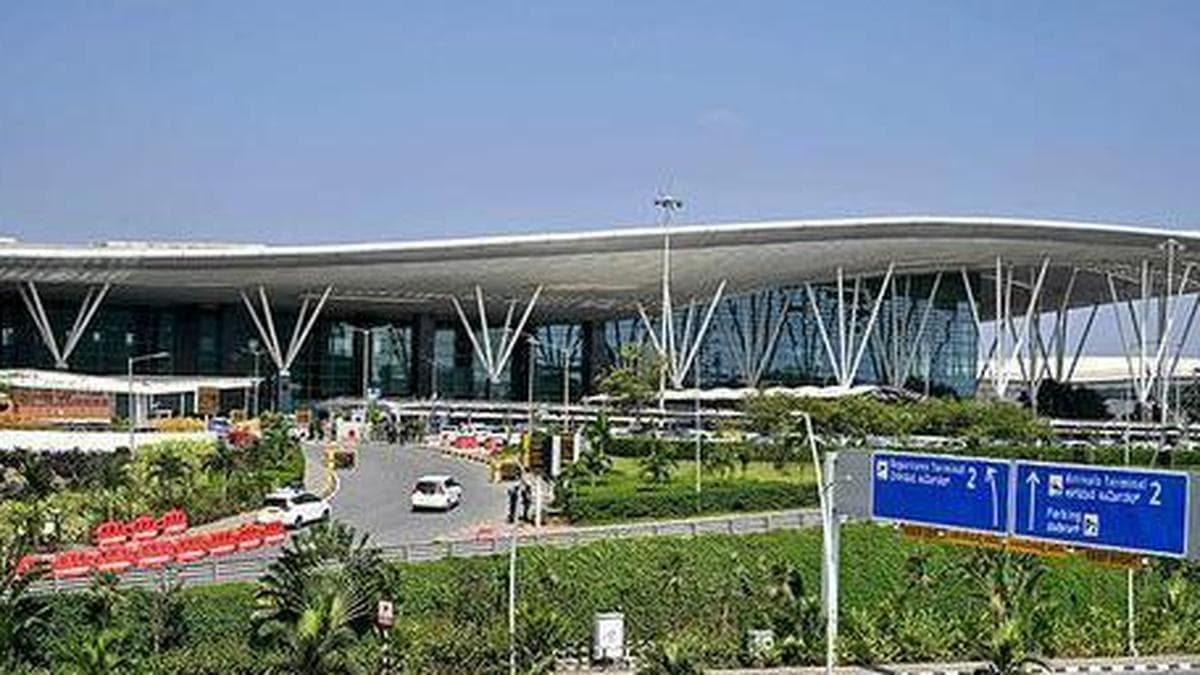
Before Takeoff: South, West Bengaluru See Land Frenzy over Second Airport Plans
Why It Matters
The land frenzy signals a potential infrastructure‑driven real‑estate uplift, but the uncertain airport site makes long‑term positioning essential for investors.
Key Takeaways
- •Kanakapura Road land prices doubled in six months
- •Investors focus on farmland and plotted developments, not large residential launches
- •Nelamangala‑Kunigal corridor attracts logistics buyers via STRR connectivity
- •Past airport booms lifted land values 40‑86% in North Bengaluru
- •Experts advise 7‑10 year hold horizon for second‑airport land
Pulse Analysis
The Karnataka government's yet‑to‑be‑chosen site for Bengaluru's second international airport has already ignited a land‑buying sprint across the city's southern and western fringes. Within eight months, parcels along the Kanakapura Road‑Harohalli stretch have seen prices double, echoing the early surge that preceded the Devanahalli‑based Kempegowda International Airport. Analysts cite the rapid price discovery enabled by a mature broker network, which compresses the advantage once enjoyed by early investors. Yet, with the airport location still uncertain, the current rally remains largely sentiment‑driven.
Two distinct corridors are emerging. The Kanakapura Road belt, bolstered by new metro extensions and a wave of plotted residential launches—over 3,400 since Q1 2024, according to ANAROCK—attracts NRIs, HNIs, and developers seeking medium‑term housing demand. In contrast, the Nelamangala‑Kunigal stretch leans on logistics, benefitting from the Satellite Town Ring Road that links the area to freight corridors and existing KIADB industrial zones. Institutional buyers are quietly assembling land banks for future warehousing and manufacturing projects, positioning the corridor as a longer‑gestation play.
From an investment standpoint, the frenzy underscores a classic infrastructure‑led arbitrage opportunity, but experts caution against short‑term speculation. Historical data show land values around the first airport rose 40‑86 % over a decade, suggesting sizable upside if the second airport materialises. However, fragmented growth patterns and less‑developed social amenities temper expectations. Advisors recommend treating acquisitions as a seven‑to‑10‑year holding strategy, allowing time for the airport decision, ancillary infrastructure, and organic demand to mature. Such a disciplined approach can capture upside while mitigating the risk of a premature market correction.
Before takeoff: South, West Bengaluru see land frenzy over second airport plans
Comments
Want to join the conversation?
Loading comments...