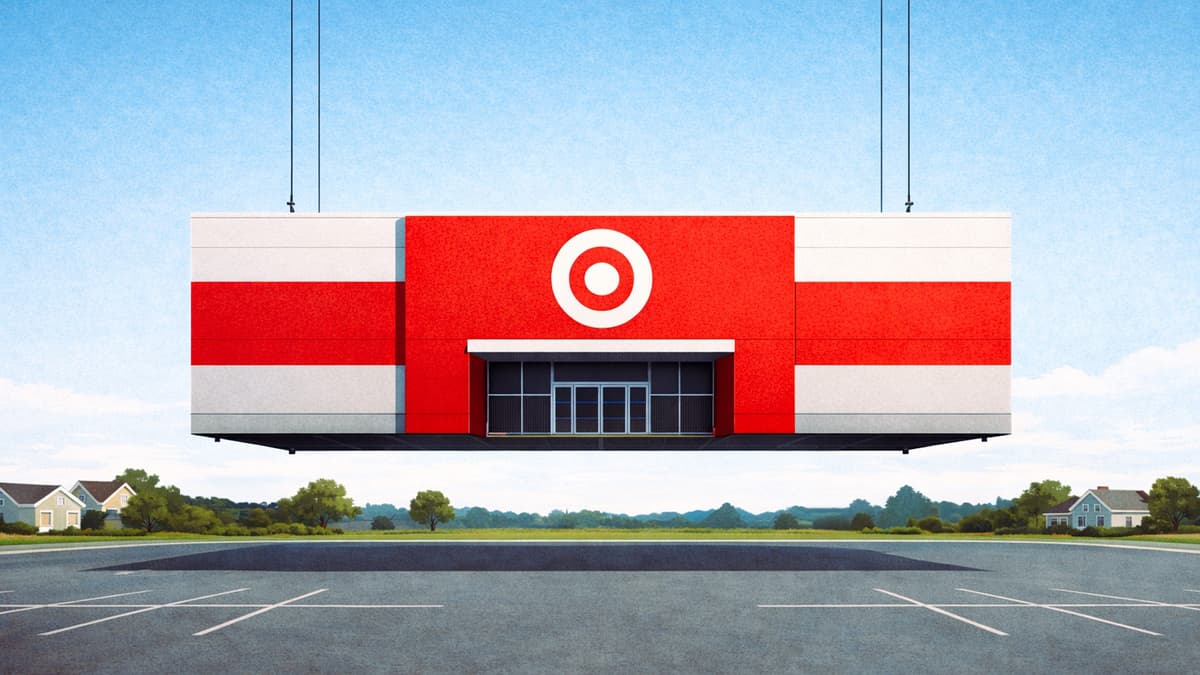
Big-Box Boom: The Clues That Signal Your Community Is About To Grow
•March 1, 2026
0
Companies Mentioned

Home Depot

Target
Why It Matters
Retail expansion acts as a leading indicator for housing demand, helping investors and developers anticipate price appreciation. Communities with new big‑box stores often experience stronger property‑value growth and faster market absorption.
Key Takeaways
- •Big‑box openings track rising population and new home construction
- •Home Depot adds 15 stores 2026 after 12 in 2025
- •Homes near Target appreciate ~27% more than comparable properties
- •Surprise, AZ offers cheaper large homes versus Scottsdale, Gilbert
- •Forney, TX median $335k, below Dallas market price
Pulse Analysis
Big‑box retailers have become de‑facto barometers of suburban vitality. Their site‑selection algorithms prioritize markets where population growth, household formation, and disposable income are on an upward trajectory. By anchoring large footprints in emerging corridors, chains like Home Depot and Target not only capture existing demand but also stimulate ancillary services, creating a feedback loop that accelerates local economic development. This retail‑driven momentum often precedes traditional metrics such as building permits, giving analysts an early glimpse into future housing dynamics.
In practice, the arrival of a big‑box store translates into tangible real‑estate benefits. St. Augustine, Florida saw median listings climb to $468,500 alongside a new Home Depot, while Surprise, Arizona’s median price of $439,950 reflects the premium buyers place on proximity to Target’s convenience. Forney, Texas, with a median of $335,000—well below Dallas’s $405,000—demonstrates how a cluster of retailers can elevate perceived value without inflating price points. Homeowners report heightened confidence, and studies consistently link nearby big‑box locations to double‑digit appreciation, reinforcing the notion that retail infrastructure is a catalyst for property‑value gains.
For investors and developers, these patterns suggest a strategic edge: tracking retailer expansion can inform acquisition timing, zoning decisions, and marketing positioning. However, reliance on retail cues alone carries risk if consumer habits shift toward e‑commerce or if over‑building leads to saturation. Balanced analysis should incorporate demographic forecasts, employment trends, and transportation improvements to validate the sustainability of growth. When calibrated correctly, big‑box signals offer a low‑cost, high‑visibility tool for forecasting robust housing markets and guiding capital allocation.
Big-Box Boom: The Clues That Signal Your Community Is About To Grow
0
Comments
Want to join the conversation?
Loading comments...