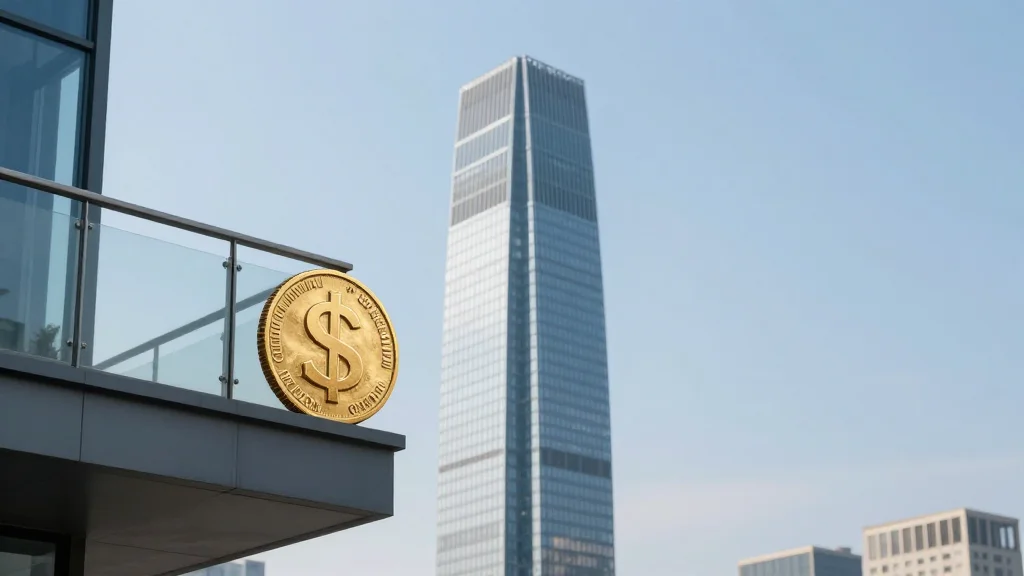
Billionaires’ Row Developer Calls 111 W. 57th St. A Financial Disaster

Companies Mentioned
Why It Matters
The 111 W. 57th St. saga illustrates the volatility of the ultra‑luxury condominium segment, where projects can swing from architectural triumphs to financial quagmires within a decade. The default on a $725 million loan highlights the risks lenders face when financing speculative super‑tall towers, especially in a market that can be upended by macro‑economic shocks such as a pandemic. Moreover, the building’s recent turnaround demonstrates how aggressive re‑pricing, brand repositioning, and targeted buyer outreach can revive stalled projects, offering a potential blueprint for other distressed luxury assets. For developers and investors, the case underscores the importance of aligning project timelines with market cycles and maintaining flexible financing structures. It also signals that even the most iconic addresses are not immune to pricing pressure, prompting a reassessment of how “Billionaires’ Row” properties are marketed and financed in an era of heightened buyer scrutiny and shifting wealth patterns.
Key Takeaways
- •Developers defaulted on a $725 million loan backed by Apollo Global Management and AIG
- •The tower’s flagship penthouse was initially listed at $110 million, later reduced to $98 million and delisted
- •Sotheby’s broker Nikki Field generated roughly $480 million in contracts and closings after taking over marketing
- •23 luxury units remain unsold as of 2024, despite aggressive price cuts
- •Project took about 11 years from groundbreaking in 2013 to its current market position
Pulse Analysis
The 111 W. 57th St. episode is a cautionary tale for developers chasing the prestige of Manhattan’s Billionaires’ Row. When the tower was conceived, the market was flush with capital, and developers banked on a steady stream of ultra‑high‑net‑worth buyers. The subsequent slowdown, exacerbated by rising construction costs and the pandemic, exposed the fragility of that model. The $725 million loan default is a stark reminder that lenders must scrutinize the cash‑flow assumptions of super‑luxury projects more rigorously, especially when the target buyer pool is narrow and highly sensitive to economic cycles.
The turnaround orchestrated by Nikki Field shows that even distressed luxury assets can be salvaged with a disciplined pricing strategy and a reimagined brand experience. By cutting prices to realistic levels, the tower attracted buyers who valued the location and design but were unwilling to pay speculative premiums. The addition of hotel‑style services and a refreshed resident experience helped bridge the gap between traditional condo ownership and the expectations of affluent renters seeking a full‑service lifestyle. This hybrid approach may become a template for other high‑rise projects that struggle to achieve full occupancy.
Looking ahead, the market for ultra‑luxury condos is likely to remain constrained. Wealth concentration continues, but the pool of buyers willing to commit $100 million-plus to a single residence is shrinking, and alternative luxury assets—such as private islands, yachts, and experiential investments—are competing for the same capital. Developers will need to balance architectural ambition with financial prudence, perhaps by incorporating flexible unit mixes, phased delivery schedules, and diversified financing that can weather market downturns. The 111 W. 57th St. story underscores that prestige alone cannot guarantee profitability; disciplined economics and adaptive marketing are now essential ingredients for success on Billionaires’ Row.
Billionaires’ Row developer calls 111 W. 57th St. a financial disaster
Comments
Want to join the conversation?
Loading comments...