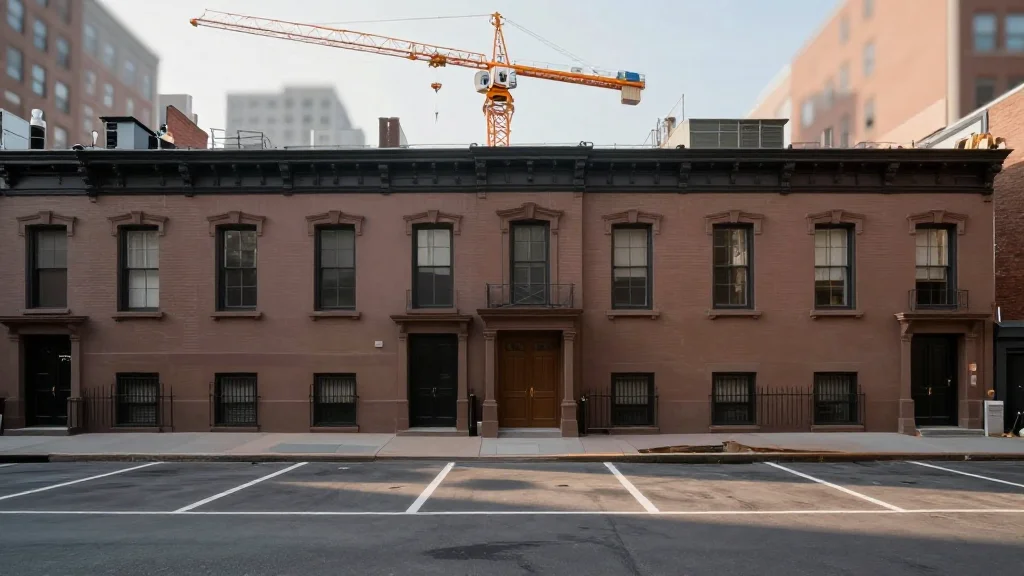
Boston City Councilors Weigh Whether Parking Reform Can Boost Housing Production
Why It Matters
Eliminating parking requirements could reduce per‑unit costs, unlocking thousands of new homes and easing Boston’s affordability crunch. The decision will also set a precedent for how other dense U.S. cities balance parking, equity, and housing supply.
Key Takeaways
- •Boston council seeks citywide removal of residential parking minimums
- •Housing approvals fell from 9,800 in 2020 to 2,389 in 2024
- •Cambridge, Somerville and Salem have already cut parking requirements
- •Critics fear reduced parking could hurt walk‑poor neighborhoods
- •Zoning Board of Appeals must approve the amendment before implementation
Pulse Analysis
Parking minimums have become a flashpoint in Boston’s fight against an escalating affordable‑housing shortage. Historically, developers were forced to provide a set number of parking spaces per unit, inflating construction costs and slowing the pipeline of new homes. As approvals plummeted from nearly 10,000 units in 2020 to under 2,500 in 2024, city leaders are looking for policy levers that can restore momentum without compromising the city’s walkable character. By eliminating these mandates, Boston hopes to align with a growing national trend where municipalities streamline zoning to prioritize housing density over car storage.
The council’s amendment, championed by Sharon Durkan and Henry Santana, would erase parking minimums across all 23 neighborhoods and consolidate the city’s sprawling zoning code into a single, clearer section. Proponents point to neighboring Cambridge and Somerville, which have already lifted parking requirements and reported upticks in multifamily construction. Salem’s recent reform also serves as a benchmark, showing that reduced parking can coexist with robust transit networks. If Boston follows suit, developers could save tens of thousands of dollars per unit, making affordable projects financially viable and potentially expanding the supply of low‑ and middle‑income housing.
Yet the proposal faces pushback from councilors concerned about equity and neighborhood character. Critics argue that without mandated parking, residents in less transit‑rich areas may struggle with access, deepening disparities. The Zoning Board of Appeals, which has historically approved about 90% of parking variances, will play a decisive role in shaping the final policy. As Boston weighs the trade‑offs, the outcome will signal whether parking reform can become a cornerstone of urban housing strategy nationwide.
Boston City Councilors Weigh Whether Parking Reform Can Boost Housing Production
Comments
Want to join the conversation?
Loading comments...