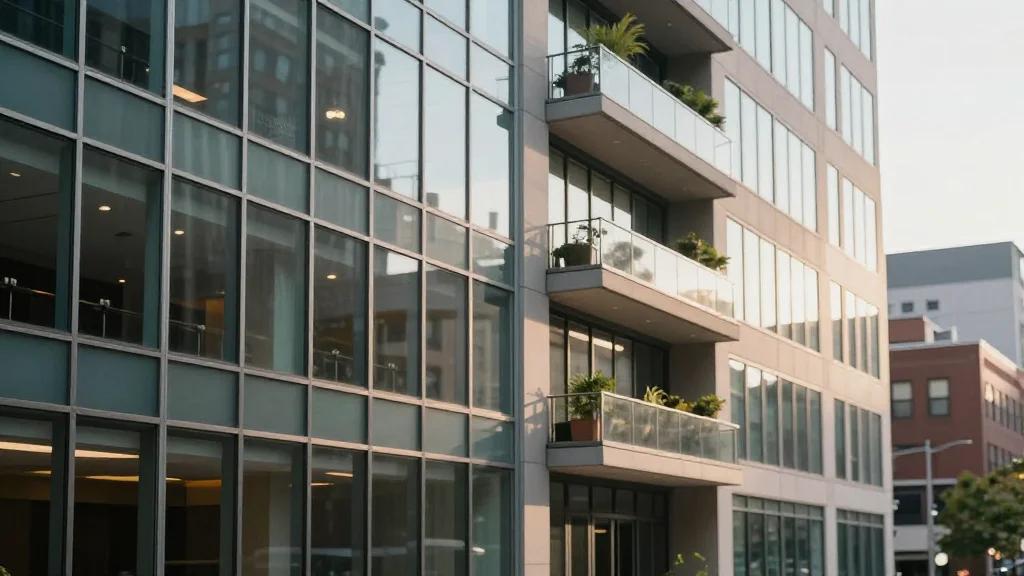
Boston Completes First Office‑to‑Housing Conversion, Adding 15 Downtown Apartments

Why It Matters
The conversion of office space to housing directly addresses two pressing urban challenges: persistent office vacancy and a chronic shortage of affordable downtown apartments. By repurposing existing structures, Boston can add housing without the higher costs and longer timelines associated with new construction, potentially easing rent pressures and stabilizing the commercial real‑estate market. If the program scales as intended, Boston could become a model for other mid‑size cities grappling with similar post‑pandemic office glut. Successful conversions would demonstrate that policy incentives—tax abatements, zoning flexibility, and streamlined permitting—can unlock private‑sector investment, creating a virtuous cycle of redevelopment and economic resilience.
Key Takeaways
- •Boston’s first office‑to‑housing conversion at 281 Franklin St. adds 15 apartments.
- •City program has approved 29 buildings, creating a pipeline of 1,730 units.
- •Office vacancy in Boston remains around 20% as of 2024.
- •National pipeline of office‑to‑apartment conversions exceeds 90,000 units, up 28% YoY.
- •Developers receive a 29‑year, 75% residential tax abatement and streamlined Article 80 permits.
Pulse Analysis
Boston’s adaptive‑reuse strategy reflects a broader shift in urban real‑estate where the traditional separation between commercial and residential zones is eroding. The city’s aggressive tax abatement and zoning reforms lower the hurdle cost for developers, effectively turning a liability—vacant office space—into a revenue‑generating asset. This mirrors the experience of New York, where a $467‑million tax relief program spurred a surge in conversions, suggesting that fiscal incentives can be a decisive lever.
However, the success of Boston’s program hinges on overcoming the physical constraints of older office towers. Deep floor plates and limited window access can inflate retrofit costs, potentially narrowing the pool of viable projects to those with favorable geometry. As Burns observed, the “geometry and geography” of a building often dictate feasibility. Cities that pair financial incentives with technical assistance—such as design guidelines for daylighting and modular residential units—are likely to see higher conversion rates.
Looking ahead, the real test will be whether the added housing meaningfully impacts Boston’s broader affordability crisis. While 1,730 units may seem modest against the city’s demand, the cumulative effect of faster, lower‑cost conversions could create a scalable supply pipeline. If vacancy rates begin to dip and rental growth slows, policymakers will have concrete evidence that adaptive reuse can serve as a stabilizing force in post‑pandemic real‑estate cycles.
Boston Completes First Office‑to‑Housing Conversion, Adding 15 Downtown Apartments
Comments
Want to join the conversation?
Loading comments...