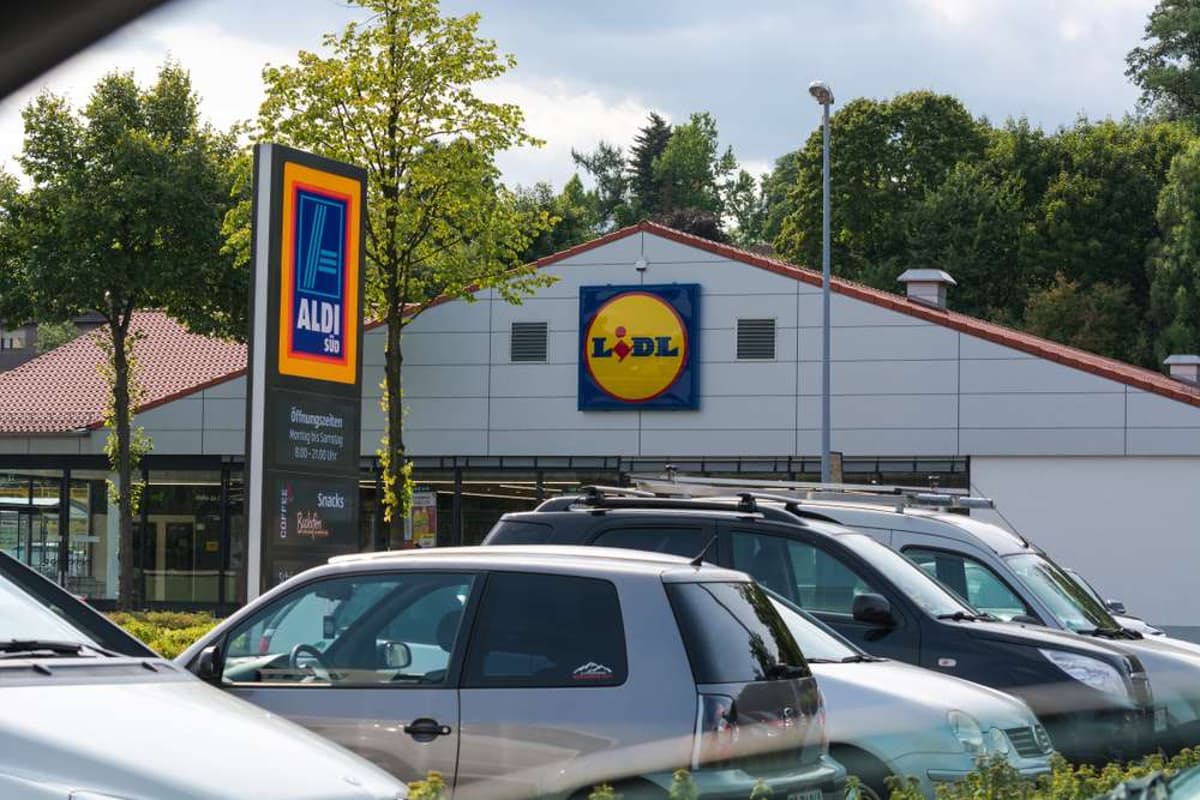
British Supermarkets Want to Rein in the Expansion of Aldi and Lidl
Why It Matters
Reclassifying Aldi and Lidl could limit their rapid store rollout, reshaping competition and potentially raising prices for UK shoppers. It also signals heightened regulatory scrutiny of discounter business models.
Key Takeaways
- •Aldi, Lidl hold ~20% UK grocery market share
- •Major chains seek CMA rule change on supermarket licensing
- •Discounters exempt from expansion conditions due to limited range label
- •Reclassification could curb Aldi/Lidl store growth
- •CMA investigating whether discounters qualify as large retailers
Pulse Analysis
The United Kingdom’s grocery sector has been reshaped over the past decade by the rapid ascent of German discounters Aldi and Lidl. Together they now command roughly 20 percent of total grocery sales, a share that rivals the traditional “big four” and forces shoppers to reconsider price‑sensitivity. Their business model—smaller footprints, a narrow SKU assortment and a relentless focus on low‑cost private‑label goods—has delivered double‑digit growth even as legacy chains wrestle with inflation‑driven margin pressure. This momentum has turned the discounters from niche players into genuine market leaders.
The competitive advantage stems partly from a regulatory loophole. Under current UK planning law, retailers classified as “discounters with a limited product range” are exempt from several real‑estate licensing conditions that apply to large supermarkets, such as mandatory community‑benefit contributions and stricter site‑allocation criteria. Sainsbury’s, Morrisons and Iceland have petitioned the Competition and Markets Authority to broaden the definition of a large food retailer, arguing that the exemption no longer reflects market realities. Aldi counters that its lean format, lack of e‑commerce and limited services are essential to its low‑price promise.
If the CMA reclassifies Aldi and Lidl as major supermarkets, the immediate effect could be a slowdown in new store openings, higher site‑acquisition costs and potentially tighter profit margins for the discounters. For consumers, the most tangible outcome may be a modest price increase as the price‑competition pressure eases. Conversely, incumbents could regain some shelf‑space and leverage their broader service offerings. The case also highlights a broader regulatory trend: authorities worldwide are reassessing whether traditional retail rules keep pace with disruptive business models that blur the line between discount and full‑service grocery.
British supermarkets want to rein in the expansion of Aldi and Lidl
Comments
Want to join the conversation?
Loading comments...