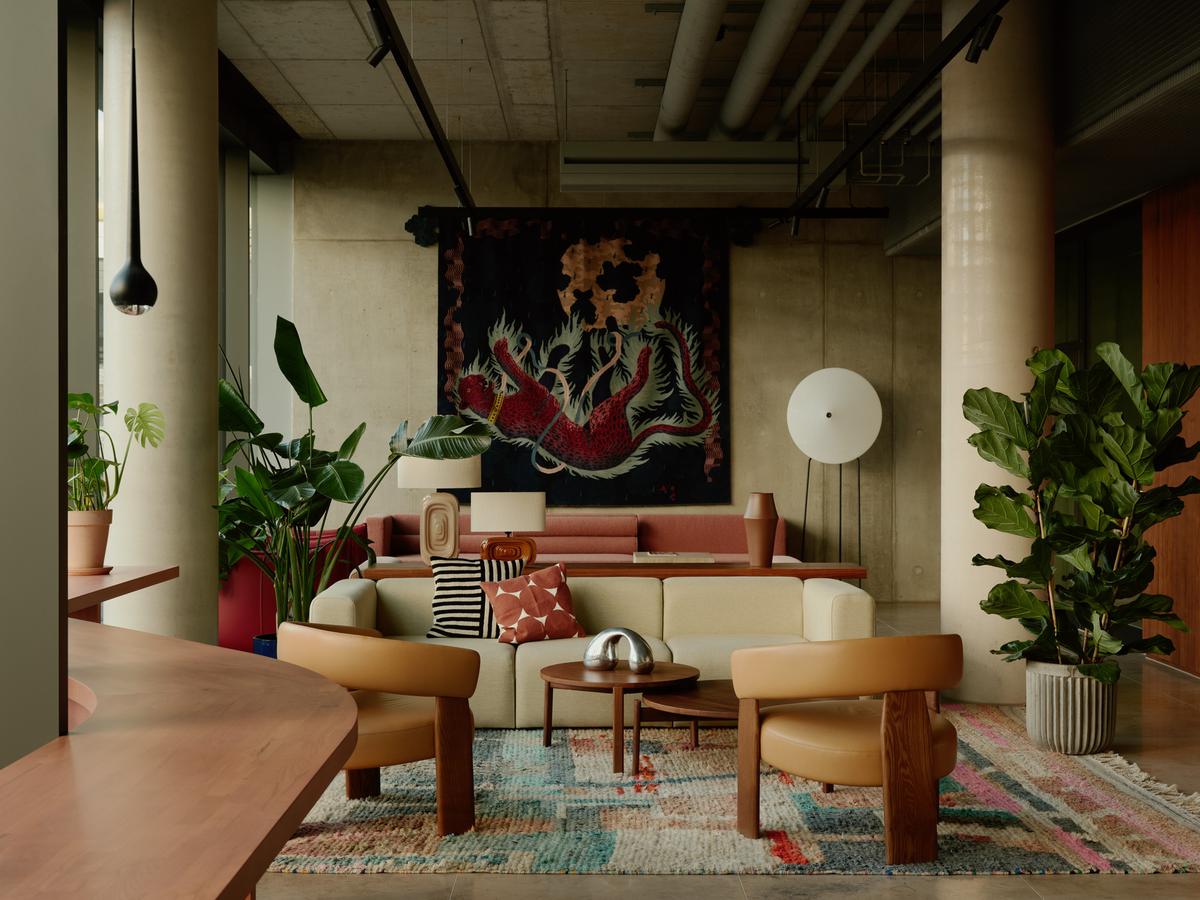
Why It Matters
The high‑design amenity model differentiates landlords in a competitive office market and helps attract talent seeking wellbeing‑focused workplaces, potentially boosting occupancy and rental premiums.
Key Takeaways
- •Bespoke furniture replaces generic brand‑filled lobbies, enhancing uniqueness
- •Hospitality‑inspired design creates a “third place” for work and socializing
- •Two entire floors of shared amenities support wellbeing and collaboration
- •Custom pieces combine varied fabrics, woods, and stones for rich material palette
Pulse Analysis
The pandemic accelerated a re‑evaluation of what an office can offer. Companies now view the workplace as a talent‑attraction platform rather than merely a cost centre, and employees expect environments that nurture both productivity and wellbeing. Across Europe, landlords are responding by allocating entire floors to shared amenities—cafés, lounges, quiet pods, and collaborative studios—that mimic the comfort of home while preserving the energy of a collective setting. Berlin’s C1 tower exemplifies this shift, dedicating its two lower levels to purpose‑built communal zones.
Bruzkus Greenberg translates hospitality language into office design, borrowing the ambience of hotel lobbies, cafés and bars. The firm mixes bespoke sofas and tables—finished in textured fabrics, exposed wood, stone, and varied colourways—with curated vintage pieces, creating a material‑rich palette that feels both curated and lived‑in. Lighting is layered to produce differentiated atmospheres, while generous furniture scales encourage informal dialogue. By treating the amenity floors as a ‘third place,’ the design blurs the line between work and leisure, offering employees a seamless transition from focused tasks to relaxed networking.
For landlords, the C1 model demonstrates how design intensity can become a competitive advantage. High‑quality, differentiated amenities justify premium rents and improve occupancy rates, especially in markets where flexible work arrangements dilute traditional lease demand. Moreover, bespoke furniture reduces brand‑specific visual clutter, allowing the space to stay timeless and adaptable for future tenants. As more firms prioritize employee experience, we can expect a proliferation of similar “third place” concepts, turning office towers into lifestyle hubs that generate both tangible revenue uplift and intangible brand equity.
C1 Workplace / Bruzkus Greenberg
Comments
Want to join the conversation?
Loading comments...