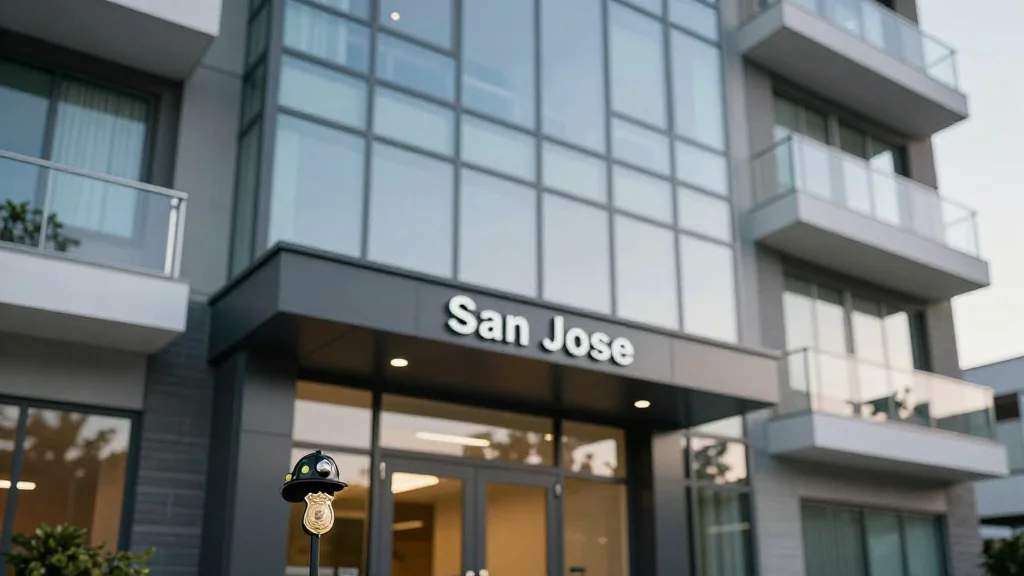
Calif. City Allocates 50 Units in New High-Rise Apartment Building as Affordable Housing for Police Officers
Why It Matters
By earmarking affordable units for law‑enforcement, San Jose aims to boost police recruitment and retention, directly affecting public‑safety staffing. The $11.2 million commitment also illustrates how municipalities can leverage housing subsidies to support critical workforce segments.
Key Takeaways
- •50 apartments set aside for police at The Fay high‑rise.
- •City allocates $11.2 million in vouchers for officer housing.
- •114 police vacancies drive focus on recruitment incentives.
- •Council prioritizes law‑enforcement over other city employees.
- •Affordable housing seen as key to retaining officers.
Pulse Analysis
Municipalities across the United States are increasingly turning to affordable‑housing vouchers as a tool to retain essential workers, from teachers to first responders. San Jose’s voucher program, funded with more than $11 million, mirrors a broader trend where cities earmark a portion of new developments for employees facing high rent burdens. By integrating below‑market units into a luxury high‑rise, the city attempts to balance market‑rate profitability with public‑service needs, creating a hybrid model that other jurisdictions are watching closely.
San Jose’s police department currently grapples with 114 open positions, a shortfall that threatens response times and community confidence. Housing affordability has emerged as a decisive factor in recruitment; officers often cite commuting costs and rent as deal‑breakers when evaluating job offers. The council’s decision to place law‑enforcement at the front of the voucher queue reflects a strategic response to this labor squeeze, aiming to make the city more competitive against neighboring jurisdictions that may offer lower living costs or dedicated housing incentives.
If the program succeeds, it could set a precedent for targeted housing subsidies tied to specific public‑service roles. Critics warn that reserving units for a single occupational group may raise equity concerns, especially in a city with a broader affordable‑housing shortage. Nonetheless, the $11.2 million investment signals a willingness to allocate fiscal resources toward workforce stability, a calculus that may inspire similar initiatives in other high‑cost metros seeking to shore up their police, fire and emergency‑medical services.
Calif. city allocates 50 units in new high-rise apartment building as affordable housing for police officers
Comments
Want to join the conversation?
Loading comments...