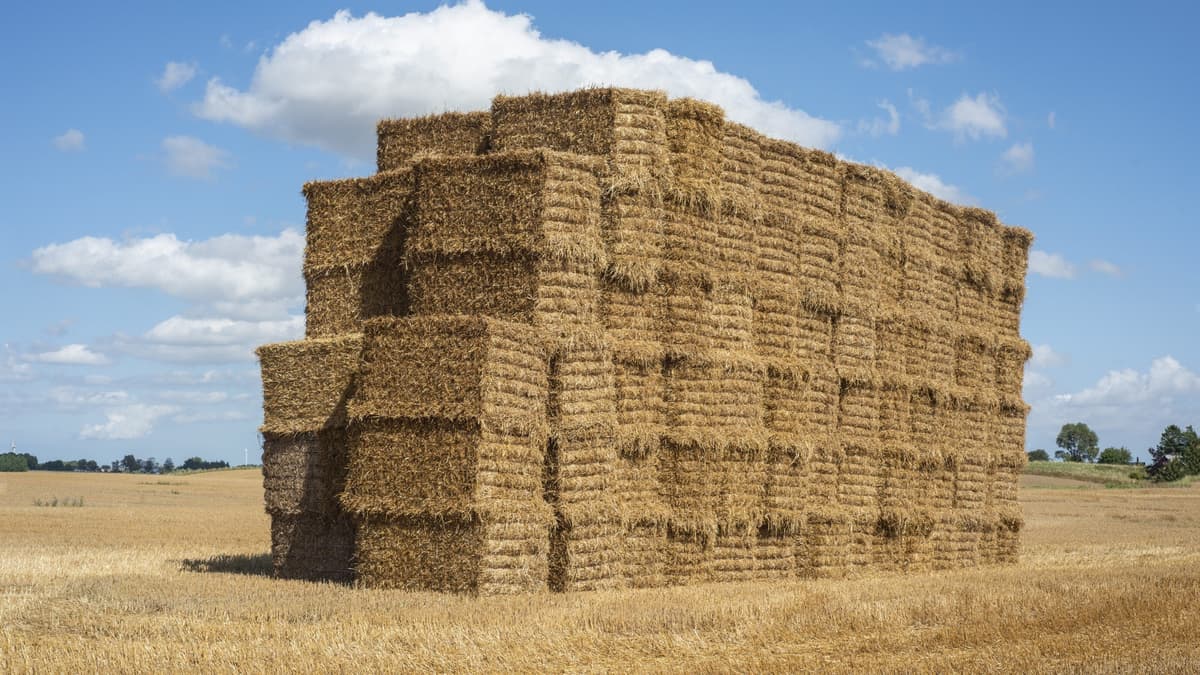
California Nonprofit Plans To Build Homes Out of Straw for Low-Income Residents
Why It Matters
The initiative tackles two pressing crises—housing affordability and climate change—by delivering carbon‑negative, energy‑efficient homes for vulnerable populations, potentially reshaping affordable‑housing strategies in California and beyond.
Key Takeaways
- •Six straw‑bale tiny homes planned on Mount Calvary Lutheran land.
- •Project seeks $300,000 to finish construction in 4‑6 months.
- •Straw‑bale homes cut heating costs up to 75% and boost fire resistance.
- •Carbon‑negative building could lower California’s housing emissions footprint.
Pulse Analysis
California’s housing market remains one of the nation’s most unaffordable, with median home prices near $2 million in Santa Cruz County. In response, the nonprofit coalition Just Places and People First is leveraging a centuries‑old building method—stacked straw bales—to create a six‑unit village for residents exiting homelessness. By repurposing the church’s underutilized land, the project sidesteps costly land acquisition and offers a rapid, four‑to‑six‑month construction timeline, provided the $300,000 fundraising goal is met. This approach reflects a growing interest in alternative, low‑cost building techniques as municipalities grapple with zoning constraints and sky‑high construction costs.
Beyond affordability, straw‑bale construction delivers notable sustainability advantages. The dense bales provide superior insulation, slashing heating and cooling expenses by up to 75 percent, while the inherent fire‑resistant properties—three times that of conventional framing—address safety concerns in California’s wildfire‑prone regions. Combined with LEED certification and solar panels, the homes promise a reduced operational carbon footprint. Moreover, the bales sequester carbon for the lifespan of the structure, rendering the buildings carbon‑negative and contributing to the state’s broader emissions‑reduction targets.
The project also signals a shift toward scalable green building solutions. Companies like EcoCocon and Verdant Panel are commercializing prefabricated straw‑wall panels, lowering labor intensity and material costs. If the Santa Cruz village proves viable, it could catalyze policy incentives for straw‑bale housing, encouraging municipalities and developers to adopt similar models. Such diffusion would expand the affordable‑housing inventory while simultaneously advancing climate‑resilient construction, aligning economic and environmental objectives in a market desperate for innovation.
California Nonprofit Plans To Build Homes Out of Straw for Low-Income Residents
Comments
Want to join the conversation?
Loading comments...