California’s SB 79 Takes Effect, Redrawing La Mesa Transit‑Corridor Zoning for 2.5 Million New Homes

Why It Matters
SB 79 represents the most aggressive state‑level intervention in California’s housing market in a decade, directly targeting the supply‑side constraints that have driven home prices to historic highs. By forcing higher‑density, transit‑adjacent development, the law aims to cut commuting distances, lower vehicle emissions, and create a pipeline of affordable units for low‑ and moderate‑income households. For developers, the bill opens a new class of buildable land that was previously off‑limits under local zoning, potentially accelerating project pipelines and reshaping investment strategies in the San Diego region. For existing residents, the law raises questions about neighborhood character, infrastructure capacity, and the adequacy of local services to support denser populations. The balance between meeting the state’s housing targets and preserving community identity will likely become a template for other California jurisdictions facing similar pressures.
Key Takeaways
- •SB 79 takes effect July 1, stripping local zoning control within 0.5 mi of transit hubs
- •State goal: 2.5 million new homes in 8 years, with 1 million for households ≤80 % AMI
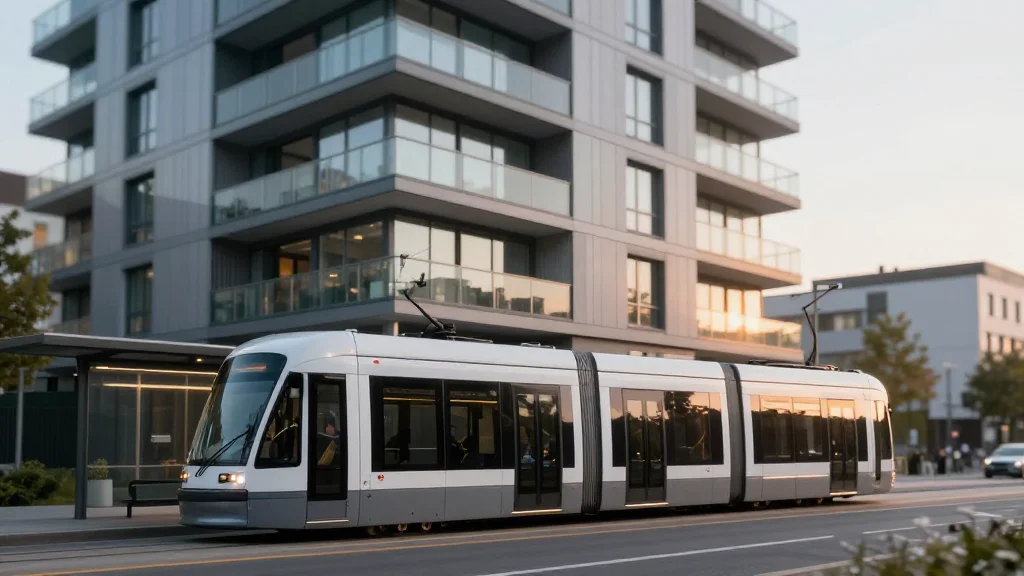
- •La Mesa’s five trolley stations will allow up to 8‑story buildings adjacent to stations
- •Developers must allocate 7‑13 % of units in large projects to low‑income households
- •SANDAG’s TOD stop maps pending; local officials are evaluating phasing and exemptions
Pulse Analysis
The rollout of SB 79 marks a decisive pivot from the traditional, municipality‑first approach to housing policy toward a top‑down model that treats transit corridors as the primary engine of supply. Historically, California’s housing crisis has been exacerbated by a patchwork of local zoning restrictions that favor single‑family homes, a legacy of the 1970s “single‑family zoning” era. By imposing a uniform, state‑mandated density floor, the legislature is attempting to break that entrenched pattern, but the success of the policy will hinge on execution at the city level.
In La Mesa, the law’s impact will be felt first on the market’s supply side. Developers who have long waited for the ability to build mid‑rise apartments near transit will likely accelerate project timelines, attracted by the certainty of state‑approved height limits and inclusionary housing requirements. This could stimulate a wave of private capital into the region, especially from firms that specialize in multifamily assets and have the financial muscle to meet the low‑income set‑aside mandates. However, the requirement to dedicate up to 13 percent of units to affordable housing may compress profit margins, prompting developers to seek subsidies, tax credits, or public‑private partnership structures to maintain viability.
On the demand side, the law could help alleviate the chronic shortage of affordable units that has pushed median home prices above $900 k in the county. By concentrating housing near existing transit, the policy also aligns with broader climate goals, potentially reducing vehicle miles traveled and associated emissions. Yet the projected 15‑20 percent uplift in property values around transit nodes could paradoxically price out current residents, especially renters, unless complementary rent‑control or anti‑displacement measures are enacted. The tension between supply creation and affordability preservation will likely define the next legislative cycle, as lawmakers and advocacy groups push for additional safeguards.
Overall, SB 79’s implementation in La Mesa will serve as a bellwether for California’s ability to meet its housing targets without igniting a backlash that could stall future reforms. The city’s handling of SANDAG’s pending maps, exemption requests, and community opposition will provide a template—successful or not—for other transit‑rich jurisdictions across the state.
California’s SB 79 Takes Effect, Redrawing La Mesa Transit‑Corridor Zoning for 2.5 Million New Homes
Comments
Want to join the conversation?
Loading comments...