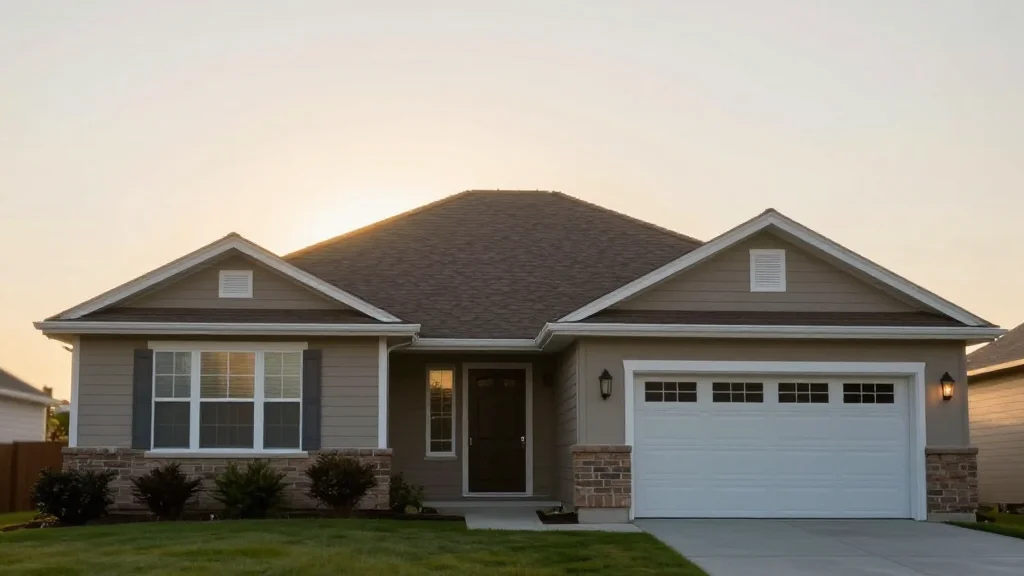
Cash-Strapped Homeowners May Soon Have No Choice but to Repair Their Aging Houses. These Stocks Can Benefit.
Why It Matters
The anticipated surge in mandatory home repairs could revive revenue growth for the home‑improvement sector, offering a catalyst for underperforming stocks and signaling broader consumer spending resilience amid a soft housing market.
Key Takeaways
- •Home‑repair spending could add $1‑2 billion annually, boosting retailers
- •Home Depot down 9% YTD; Lowe’s down 6% YTD
- •UBS forecasts 0.5% sector growth 2026, 3% in 2027
- •Aging mid‑2000s homes drive deferred maintenance demand
- •Potential 1 million buyers may re‑enter market as rates ease
Pulse Analysis
Even as the broader housing market remains subdued, the aging stock of homes built during the mid‑2000s is creating a hidden engine of demand. Many of these properties are now two decades old, and essential components—roofing, appliances, and outdoor equipment purchased during the pandemic—are reaching the end of their useful lives. Homeowners can only postpone repairs for so long, and the cumulative effect translates into an estimated $1 billion to $2 billion of additional spending each year. This repair wave is largely independent of new‑home construction, offering a steady revenue stream for retailers that supply the necessary materials and services.
For the two biggest players, Home Depot (HD) and Lowe’s (LOW), the outlook is a mix of short‑term pain and medium‑term upside. Both stocks have underperformed this year, with Home Depot off roughly 9% and Lowe’s down about 6% year‑to‑date, reflecting broader consumer caution amid high interest rates and elevated material costs. UBS analysts, led by Michael Lasser, anticipate modest sector growth of 0.5% in 2026, picking up to around 3% in 2027 and stabilizing at a 4% long‑term trajectory by 2028. The analysts argue that the current dip is largely a deferral effect; as repairs become unavoidable, demand will rebound, potentially lifting the retailers’ earnings and share prices.
Investors should watch several catalysts that could accelerate this recovery. A gradual easing of Federal Reserve policy could lower mortgage rates, encouraging the estimated one‑million potential buyers to re‑enter the market, which in turn fuels home‑ownership turnover and ancillary repair needs. Additionally, upcoming quarterly earnings reports from Home Depot and Lowe’s will provide concrete data on whether the repair backlog is translating into higher sales. Companies that can efficiently manage supply‑chain constraints and pass on rising material costs without eroding margins are likely to outperform, making the sector an attractive, albeit timing‑sensitive, opportunity for growth‑oriented portfolios.
Cash-strapped homeowners may soon have no choice but to repair their aging houses. These stocks can benefit.
Comments
Want to join the conversation?
Loading comments...