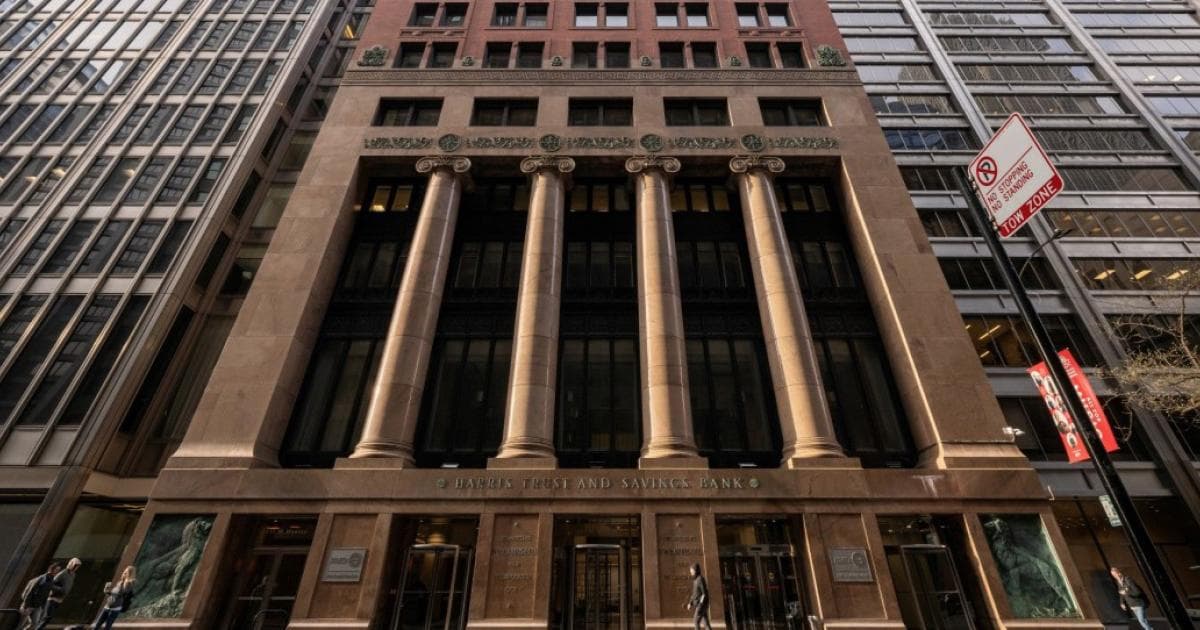
CDC Approves TIF Loan for 111 W. Monroe
Why It Matters
The loan unlocks a major downtown redevelopment that adds premium hotel capacity, new housing, and affordable units, bolstering Chicago’s tourism economy and addressing the city’s housing affordability gap.
Key Takeaways
- •CDC approves $50M TIF loan for 111 W. Monroe hotel conversion
- •Project will add 308 hotel rooms and 345 residential units
- •Includes 20,000 sf ballroom, two fine‑dining restaurants, and historic Monroe Club
- •Financing mix: $48.1M equity, $50M C‑PACE, $18.4M tax credits, $50M TIF loan
- •104 affordable units set at 60% of area median income
Pulse Analysis
Chicago’s downtown is poised for a transformative mixed‑use redevelopment as the Community Development Commission greenlights a $50 million TIF loan for 111 W. Monroe. The historic Classical Revival skyscraper, originally built in 1911, will undergo a comprehensive façade restoration and interior reconfiguration, creating a modern hotel that blends heritage with contemporary amenities. By carving a light well and upgrading building systems, the project aligns with sustainability goals while preserving iconic architectural elements such as the original office lobby’s decorative ceiling.
The financing structure is notable for its diversity and innovation. Alongside $48.1 million in equity, the development taps $50 million in C‑PACE funding, $18.4 million in historic tax credits, and the newly approved TIF loan, which operates like a senior construction mortgage with a five‑year interest‑only phase followed by a 15‑year amortization. This blend reduces upfront capital pressure and spreads risk, making the $166.5 million hotel component financially viable. The inclusion of 104 affordable residential units—priced at roughly 60% of the area median income—demonstrates a commitment to inclusive growth, while the 345 market‑rate units address lingering demand for downtown living.
Beyond the immediate construction activity, the project signals a broader shift toward adaptive reuse as a catalyst for urban revitalization. By converting a legacy office tower into a hospitality and residential hub, the development supports Chicago’s tourism sector, creates jobs, and expands the city’s inventory of premium hotel rooms. The integration of affordable housing also helps meet municipal targets for equitable development. As the city council prepares for final approval, stakeholders will watch closely to gauge how this financing model might be replicated for future large‑scale, historically sensitive projects across the region.
CDC approves TIF loan for 111 W. Monroe
Comments
Want to join the conversation?
Loading comments...