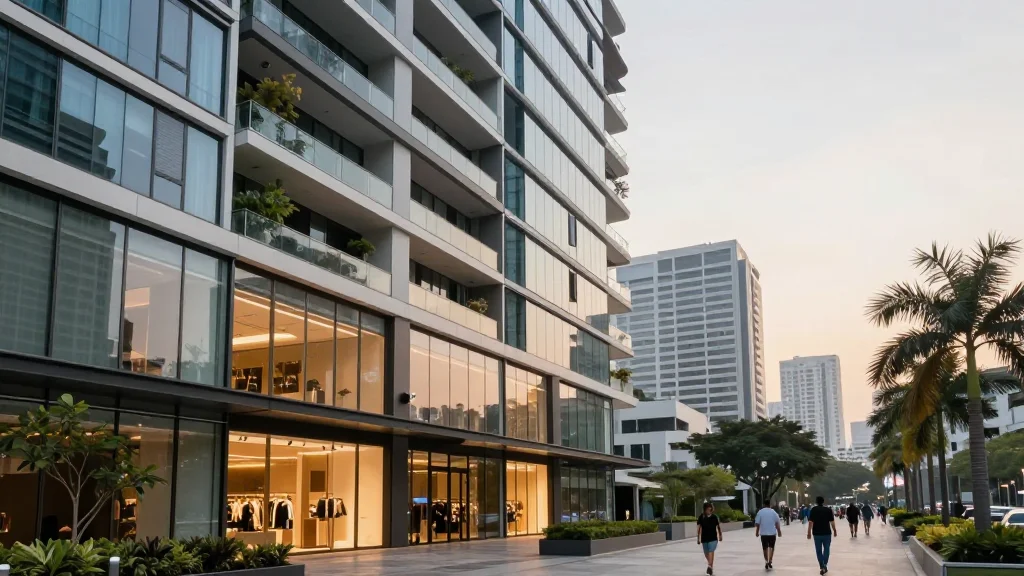
Central Pattana Pledges $3 Billion to Roll Out Mixed‑use Hubs Across Thailand

Why It Matters
The $3 billion rollout reshapes Thailand’s urban fabric by embedding retail, housing and office functions within single districts, a model that can reduce commuting times and increase land‑use efficiency. For investors, the scale of the programme offers a new pipeline of income‑generating assets, potentially stabilising rental yields in a market that has seen volatility from tourism‑linked demand swings. Moreover, the job‑creation target of 1.5 million positions the construction and services sectors for a sustained employment boost, which could translate into higher consumer spending and broader macro‑economic resilience. For the real‑estate industry, Central Pattana’s move underscores a shift away from single‑purpose malls toward integrated ecosystems that can weather sector‑specific downturns. By anchoring developments around transport corridors and emerging CBDs, the company is also influencing city planning priorities, encouraging public‑private partnerships that may accelerate infrastructure upgrades such as mass‑transit extensions and green‑space preservation.
Key Takeaways
- •Central Pattana commits THB 110 bn ($3 bn) to mixed‑use projects from 2026‑2030.
- •Goal to increase mixed‑use developments to 33 sites, supporting 1.5 million jobs.
- •Flagship ‘City of the Future’ will cover ~297 acres in northern Bangkok.
- •Expansion targets Bangkok Super Core CBD, Rama 9, Ladprao‑Phahonyothin, Nonthaburi and Khon Kaen.
- •CEO Wallaya Chirathivat says the model drives sustainable traffic and long‑term asset value.
Pulse Analysis
Central Pattana’s capital thrust arrives at a crossroads for Thai real‑estate. The sector has been wrestling with the after‑effects of pandemic‑induced retail shrinkage and a tourism dip caused by higher fuel costs and geopolitical uncertainty. By betting on mixed‑use ecosystems, the firm is hedging against pure‑play retail risk while capitalising on the country’s urbanisation momentum. Historically, Thailand’s retail‑led developers have relied on high‑foot‑traffic malls anchored by department stores; the new model integrates residential and office components, creating a built‑in customer base that can sustain occupancy even when tourism ebbs.
The strategic focus on secondary corridors such as Ladprao‑Phahonyothin reflects a broader decentralisation trend. As Bangkok’s core becomes saturated and congestion worsens, developers are eyeing satellite districts that offer cheaper land and untapped consumer pools. Central Pattana’s plan to weave public spaces and green corridors into its projects also aligns with global sustainability standards, potentially attracting ESG‑focused investors and premium tenants seeking greener footprints.
Looking ahead, execution risk will be the litmus test. The company must navigate supply‑chain constraints, labour shortages, and possible policy shifts on land taxes or development incentives. If it can deliver on schedule, the mixed‑use portfolio could set a new benchmark for Thai developers, prompting peers to emulate the integrated‑city approach. Conversely, delays or cost overruns could erode confidence and leave the firm exposed to the same headwinds that have pressured pure‑play malls. The next two years will therefore be pivotal in determining whether Central Pattana’s $3 billion gamble redefines Thailand’s urban landscape or becomes a cautionary tale of over‑extension.
Central Pattana pledges $3 billion to roll out mixed‑use hubs across Thailand
Comments
Want to join the conversation?
Loading comments...