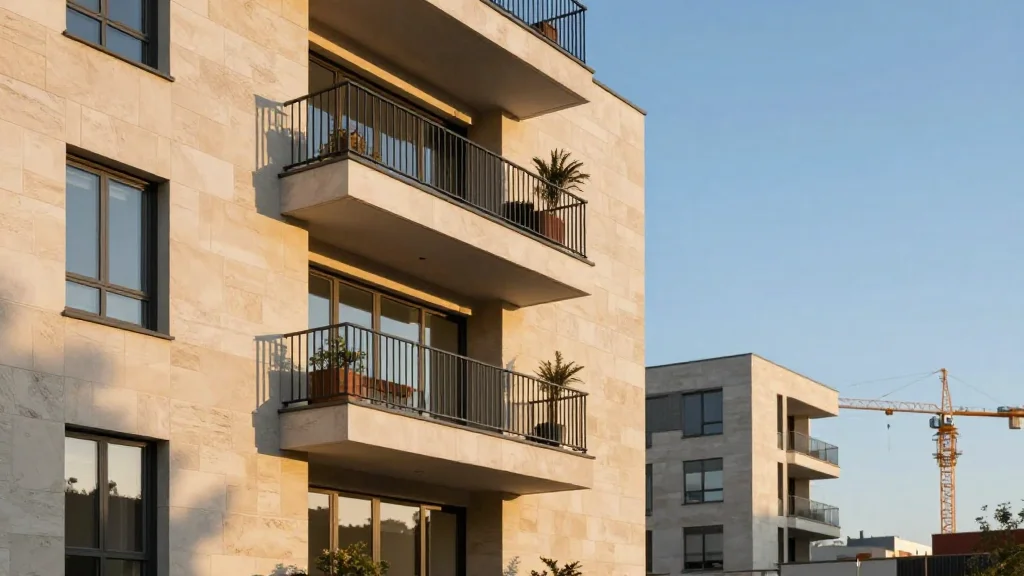
CenTria Living Breaks Ground on 36‑Unit Boutique Apartment Complex in Midtown Phoenix

Why It Matters
The CenTria Biltmore project tackles two pressing challenges in Phoenix: a severe shortage of mid‑income rental units and a market dominated by large, high‑cost multifamily projects. By delivering quality housing at a $1,500 price point, the development offers a realistic option for households squeezed out of the market, potentially stabilizing rent growth in the segment. Moreover, the project demonstrates that smaller developers can move quickly and profitably, encouraging diversification of supply sources and reducing reliance on mega‑developers whose projects often target higher‑margin luxury tiers. If the boutique model proves successful, it could reshape investment strategies in the Southwest, prompting capital to flow into mid‑scale, community‑oriented assets. This shift would not only expand housing options for a broader swath of renters but also mitigate the risk of overbuilding luxury inventory, which has shown signs of softening in recent quarters.
Key Takeaways
- •CenTria Living broke ground on a 36‑unit boutique apartment complex in mid‑town Phoenix
- •Units will rent for just over $1,500 per month, targeting middle‑income renters
- •Construction began October 2025; completion expected February 2027
- •Site purchased for just over $1 million in July 2024
- •Developer aims to deliver community‑focused, high‑quality housing in a tight market
Pulse Analysis
CenTria’s entry into Phoenix’s mid‑scale rental market arrives at a moment when the city’s growth outpaces supply, especially for households earning between $50,000 and $100,000. Historically, developers have chased luxury projects that promise higher per‑unit returns, leaving a vacuum in the middle tier. By opting for a 36‑unit, boutique format, CenTria reduces land and construction risk while still achieving a respectable cap‑rate, given the $1 million land cost and $1,500 rent ceiling. This risk‑adjusted approach could attract institutional investors seeking stable cash flow without the volatility of luxury rent cycles.
The project also reflects a broader trend toward “micro‑urbanism,” where developers prioritize walkable locations, high‑speed internet, and community spaces over sheer unit count. Such amenities resonate with younger, mobile renters who value experience as much as square footage. If CenTria can maintain high occupancy and low turnover, it will validate the hypothesis that mid‑scale renters will pay a premium for quality and community, even at modest price points.
Looking ahead, the success of CenTria Biltmore may prompt city planners to streamline permitting for boutique projects, recognizing their role in alleviating housing pressure without overwhelming infrastructure. It could also inspire other developers to adopt a similar playbook in Sun Belt metros where population inflows are relentless but affordable supply remains scarce. The next few quarters will reveal whether this boutique, community‑centric model can scale profitably and become a staple of the region’s housing strategy.
CenTria Living Breaks Ground on 36‑Unit Boutique Apartment Complex in Midtown Phoenix
Comments
Want to join the conversation?
Loading comments...