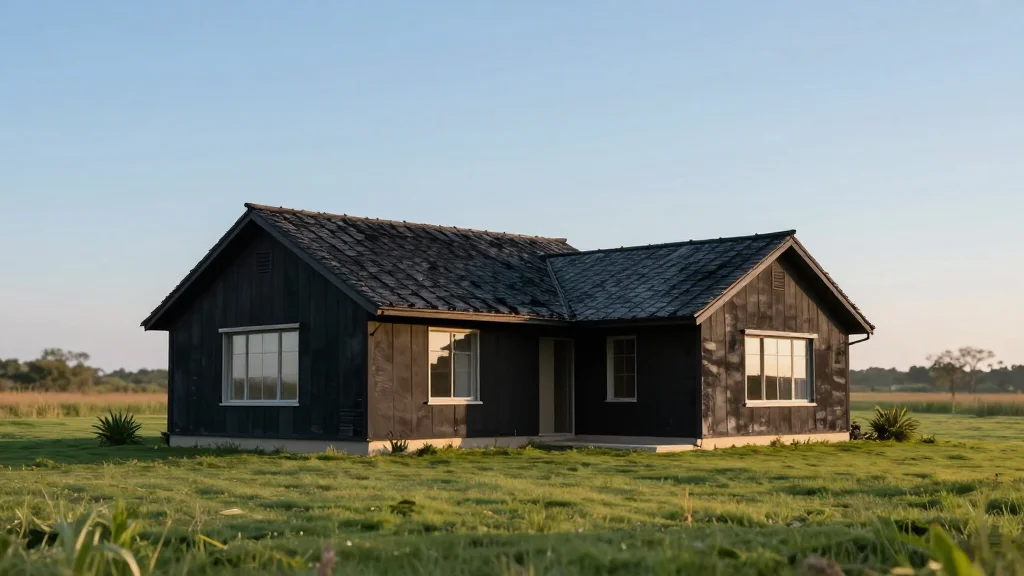
Charred Torrance Home Sells for $1.07 Million, Spotlighting LA’s Extreme Housing Prices

Why It Matters
The transaction reveals that in high‑demand areas like Torrance, land alone can command multi‑million‑dollar valuations, intensifying affordability challenges for prospective homeowners. It also highlights the limited impact of recent ADU‑focused legislation, as the market continues to prioritize land acquisition over actual housing production. Policymakers and developers must grapple with the reality that without substantial new supply, price dynamics will remain skewed toward land value, potentially crowding out lower‑income buyers and exacerbating the state's housing crisis.
Key Takeaways
- •Charred Torrance ranch sold for $1.075 million, 2% above asking price.
- •Winning probate auction bid was $980,000; added costs pushed total above $1 M.
- •Comparable move‑in homes in the area fetch around $1.5 million.
- •California needs an estimated 2.2 million additional housing units, about 15% of current supply.
- •ADUs now represent roughly 20% of new residential construction statewide.
Pulse Analysis
The Torrance sale is less about the structure and more about the scarcity of buildable land in Southern California. Historically, the region’s housing market has been driven by a combination of limited zoning flexibility and high demand from both domestic and international buyers. This transaction amplifies a trend where investors target parcels for future development rather than immediate occupancy, inflating land prices and pushing overall home costs higher.
While ADU legislation was intended to unlock hidden capacity, the data suggest that many new units are being diverted to higher‑margin uses like short‑term rentals. This misallocation reduces the net addition of affordable housing stock, undermining the policy’s original intent. The Torrance case illustrates that without stricter enforcement of ADU usage or incentives for affordable units, the market will continue to favor speculative land purchases.
Looking ahead, the key question is whether the state can align zoning reforms with concrete production targets. If developers continue to treat land as a speculative asset, price pressures will persist, and the gap between median incomes and home costs will widen. Effective solutions may require a blend of increased density allowances, streamlined permitting, and targeted subsidies that ensure new units serve long‑term residents rather than investors seeking quick flips.
Charred Torrance Home Sells for $1.07 Million, Spotlighting LA’s Extreme Housing Prices
Comments
Want to join the conversation?
Loading comments...